
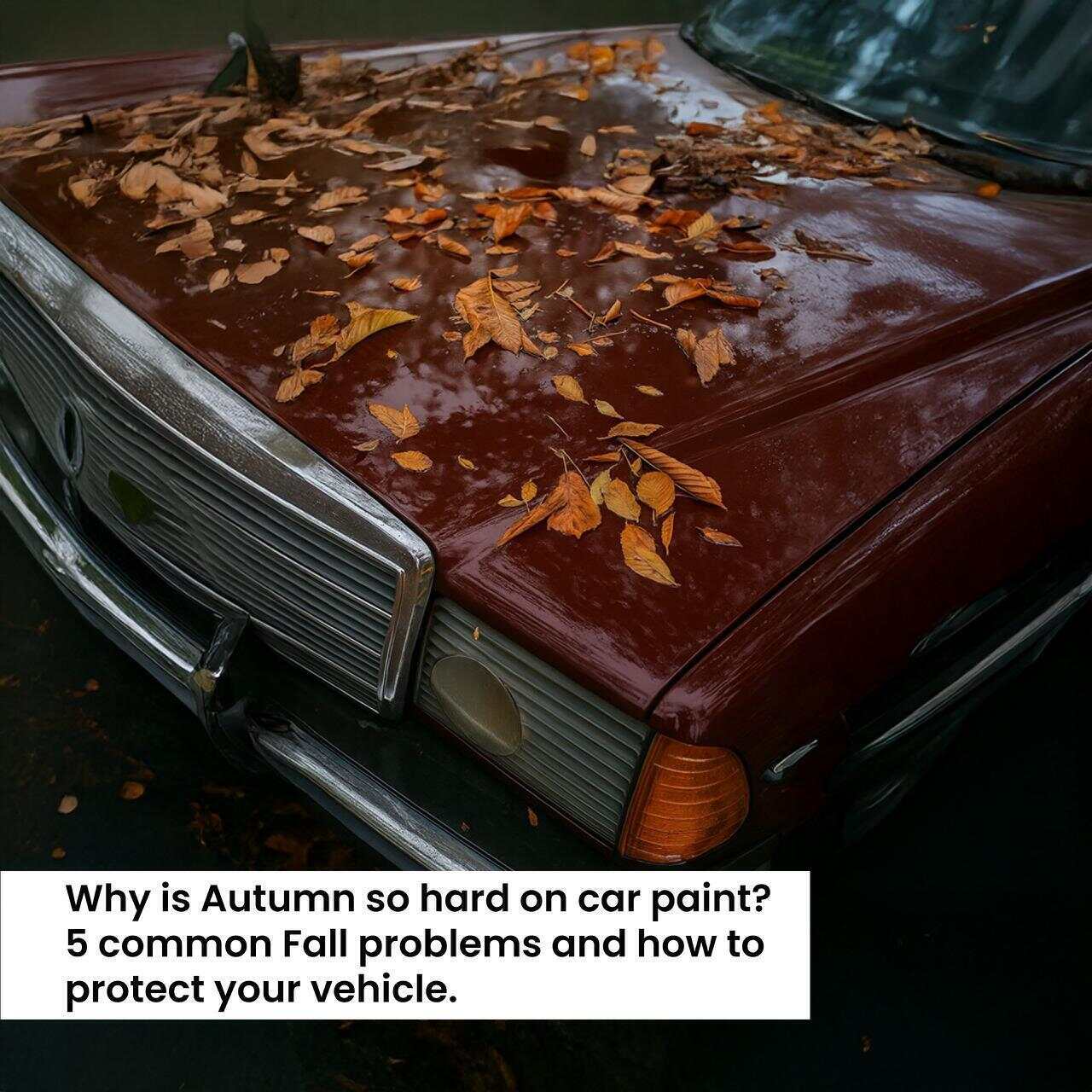
Why is Autumn so hard on car paint? 5 common Fall problems and how to protect your vehicle.
Autumn can be tough on car paint because the season brings more organic fallout, moisture, and surface contamination. Falling leaves, tree sap, bird droppings, and pollen settle on the vehicle more frequently. Cooler nights can also increase dew formation, which keeps the surface damp for longer. When these elements stay on paint, they can cause staining, dullness, and surface marks.
If you are exploring Ceramic Coating in Kochi, understanding these seasonal paint risks helps you plan better protection and maintenance.
What Makes Fall Paint Damage Different?
Autumn contamination is mostly “natural” but highly reactive. Many fall-related materials are acidic or sticky. When combined with moisture and sunlight, they can bond to the clear coat. This affects paint shine and may require polishing or correction if neglected.
Unlike dust that can be rinsed off, autumn fallout often needs safer cleaning methods to prevent scratches.
5 Common Autumn Problems That Affect Car Paint
1) Leaf stains and tannin marks
Fallen leaves may look harmless, but they release tannins and organic acids. When wet leaves sit on a car, they can leave dark stains or patch marks on clear coats. These stains can become visible within a short time, especially after rain or overnight dew.
What to do:
• Remove leaves daily, especially from the bonnet and roof
• Avoid wiping dry leaves with pressure (it can scratch)
• Use clean water and microfiber cloths for safe removal
2) Tree sap and sticky residue
Autumn often increases tree sap because many trees shed material and secretions during seasonal changes. Sap bonds strongly to paint and attracts dirt. If left for long, it can harden and become difficult to remove without proper products.
What to do:
• Use a dedicated sap remover or safe detailing solution
• Do not scrape sap with sharp tools
• Wash the panel after sap removal
3) Bird droppings and insect fallout
Even during cooler months, bird droppings remain a serious paint risk. They are acidic and can etch a clear coat. Insects may reduce in number, but residue still collects on bumpers and mirrors, especially during daytime drives.
What to do:
• Remove bird droppings as soon as possible
• Use a wet microfiber and gentle lift method
• Follow with a quick wash or wipe using clean lubricant solution
4) Road grime and tar spots
During fall and early winter, roads often carry more grime. Mud splashes, tar deposits, and oily film tend to build up near the lower doors and rear bumper areas. These deposits reduce gloss and can cause paint roughness.
What to do:
• Wash the vehicle regularly, especially wheel arches and lower panels
• Use tar remover when needed
• Apply protection to reduce bonding of road contaminants
5) Water spotting from dew and light rain
Autumn brings more frequent dew formation. When dew dries on paint, it can leave mineral residue and water spots. Light rains can also increase spotting if the water contains minerals and the car dries under sunlight.
What to do:
• Dry the car after rain instead of letting it air-dry
• Use a clean microfiber drying towel
• Avoid washing under direct sunlight
The How to Protect Your Car Paint in Autumn
Goal is to reduce contamination bonding and make cleaning easier.
Key practical steps include:
• Regular washes (once a week if parked outdoors)
• Use pH-neutral car shampoo
• Avoid dry dusting
• Park away from trees when possible
• Use a car cover only on a clean car (never on a dusty surface)
For long-term protection, surface coatings help reduce staining and improve ease of maintenance.
Why Ceramic Coating Helps During Fall
Ceramic coating forms a protective layer on top of the clear coat. It improves hydrophobic behaviour, meaning water beads and rolls off faster. This helps reduce water spotting and makes dirt less likely to stick.
Ceramic coating also offers:
• improved gloss retention
• easier cleaning
• resistance against minor chemical staining from organic fallout
If you are considering Ceramic Coating in Kochi, it is helpful for vehicles parked outdoors, driven daily, or used on coastal roads where moisture and contamination are common.
Final Note
Autumn paint damage mostly comes from natural contamination that remains on the car for too long. Leaf stains, sap, bird droppings, road grime, and dew spotting are among the most common problems. With consistent washing habits and the right paint protection, these issues can be reduced and managed effectively.
FAQ
1. Can wet leaves really damage my car’s paint?
Yes. Wet leaves release natural acids and can leave stains if they sit on the paint for long.
2. How often should I wash my car in the Fall?
Ideally once a week, or more often if your car is parked under trees.
3.Does road salt start damaging cars before winter?
In some places, yes. If salt is used early, it can start causing rust and underbody damage.
4. Why do my windows fog up more during the Autumn?
Because the air is more humid and cooler, so moisture condenses on the glass.
5. Is it better to get PPF or Ceramic Coating for the Fall?
PPF protects better from scratches and stone chips. Ceramic coating helps more with cleaning, water beading, and stains.