
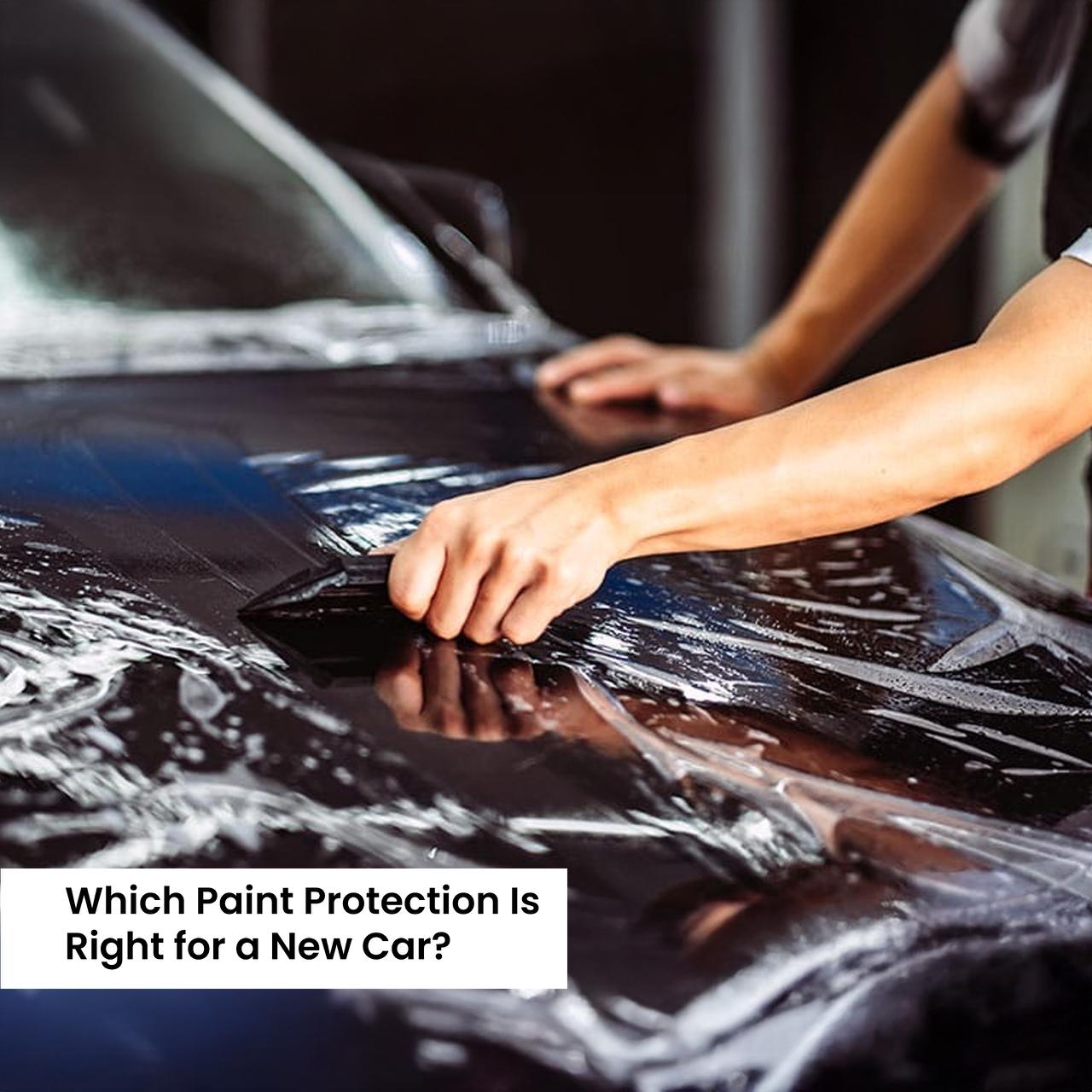
Which Paint Protection is Right for a New Car?
Choosing the right paint protection for a new car depends on how the car will be used, where it will be driven, and what kind of protection is expected. Ceramic Coating and Paint Protection Film (PPF) serve different purposes. Neither is universally better; each suits a specific need. Understanding this difference helps owners make an informed choice from day one.
Understanding Why Paint Protection Matters
A new car’s paint is constantly exposed to sunlight, dust, pollution, road debris, bird droppings, and minor abrasions. Over time, these factors affect gloss, color depth, and surface condition. Paint protection is not cosmetic alone—it is preventive maintenance.
What Is Ceramic Coating?
Ceramic coating is a liquid polymer applied to a car’s exterior. Once cured, it forms a chemical bond with the paint surface.
Its primary function is surface protection. Ceramic coatings offer resistance to UV rays, oxidation, light chemical stains, and environmental contaminants. They also improve gloss and make cleaning easier due to their hydrophobic nature.
However, ceramic coating does not protect against stone chips, scratches, or physical impact. It preserves the paint’s appearance but does not act as a physical barrier.
What Is Paint Protection Film (PPF)?
PPF is a transparent polyurethane film installed over painted surfaces. It acts as a physical shield.
PPF protects against stone chips, minor scratches, swirl marks, and abrasion from road debris. Many modern PPFs are self-healing, meaning light scratches disappear with heat exposure.
Unlike ceramic coating, PPF is thicker and impact resistant. It is commonly applied to high-impact areas such as bumpers, bonnets, mirrors, and door edges or across the entire car.
Ceramic Coating vs PPF: Key Differences
Protection Type
Ceramic coating provides chemical and UV protection.
PPF provides physical impact protection.
Thickness
Ceramic coating is microscopic. PPF is visibly thicker and tactile.
Durability
Ceramic coatings typically last 1–5 years depending on product and maintenance. PPF can last 5–10 years with proper care.
Maintenance
Ceramic-coated cars are easier to wash. PPF-protected cars still require washing but offer better damage resistance.
Which One Is Right for a New Car?
The answer depends on usage.
If the car is driven mostly in the city, parked indoors, and the owner prioritizes ease of maintenance and gloss, ceramic coating is a practical choice.
If the car sees highway driving, long trips, construction zones, or tight parking spaces, PPF offers meaningful protection against physical damage.
Many new car owners choose a combination: PPF on high-impact areas and cerami coating over the rest of the vehicle, including the film itself.
Climate and City Driving Conditions Matter
In cities with high traffic density, dust, and mixed road conditions, paint damage risk increases. Consulting a professional Car detailing Studio in Bangalore like Carsbuddy can help evaluate real-world conditions such as heat exposure, pollution levels, and daily driving patterns before choosing a solution.
Cost Considerations
Ceramic coating is generally more affordable and faster to apply. PPF is more expensive due to material cost, installation skill, and time involved.
The decision should factor in ownership duration and long-term maintenance plans, not just upfront cost.
Making an Informed Choice
Paint protection is not about trends. It is about matching protection type to driving behavior, environment, and expectations. Ceramic coating preserves appearance. PPF prevents damage. Both are established solutions when applied correctly.
For a new car, the right choice is the one that aligns with how the car will actually be used, not just how it looks on delivery day.
FAQ
1. How long does paint protection typically last?
Ceramic coatings usually last 1–5 years, while PPF can last 5–10 years. Carsbuddy advises choosing based on driving conditions and usage.
2. Does ceramic coating prevent rock chips?
No. Ceramic coating does not protect against rock chips. Carsbuddy recommends PPF for impact protection.
3. Should I get PPF for a new car?
If you drive frequently on highways or in traffic-heavy areas, Carsbuddy suggests PPF to protect vulnerable paint surfaces early.
4. Will aftermarket paint protection void car warranty?
No. When installed correctly, paint protection does not void the car’s warranty. Carsbuddy follows manufacturer-safe installation practices.
5. Can PPF fix scratches that are already on my car?
PPF does not fix existing scratches. Carsbuddy recommends paint correction before PPF installation for best results.