Is Ceramic Coating Worth It Before the Monsoon Season?

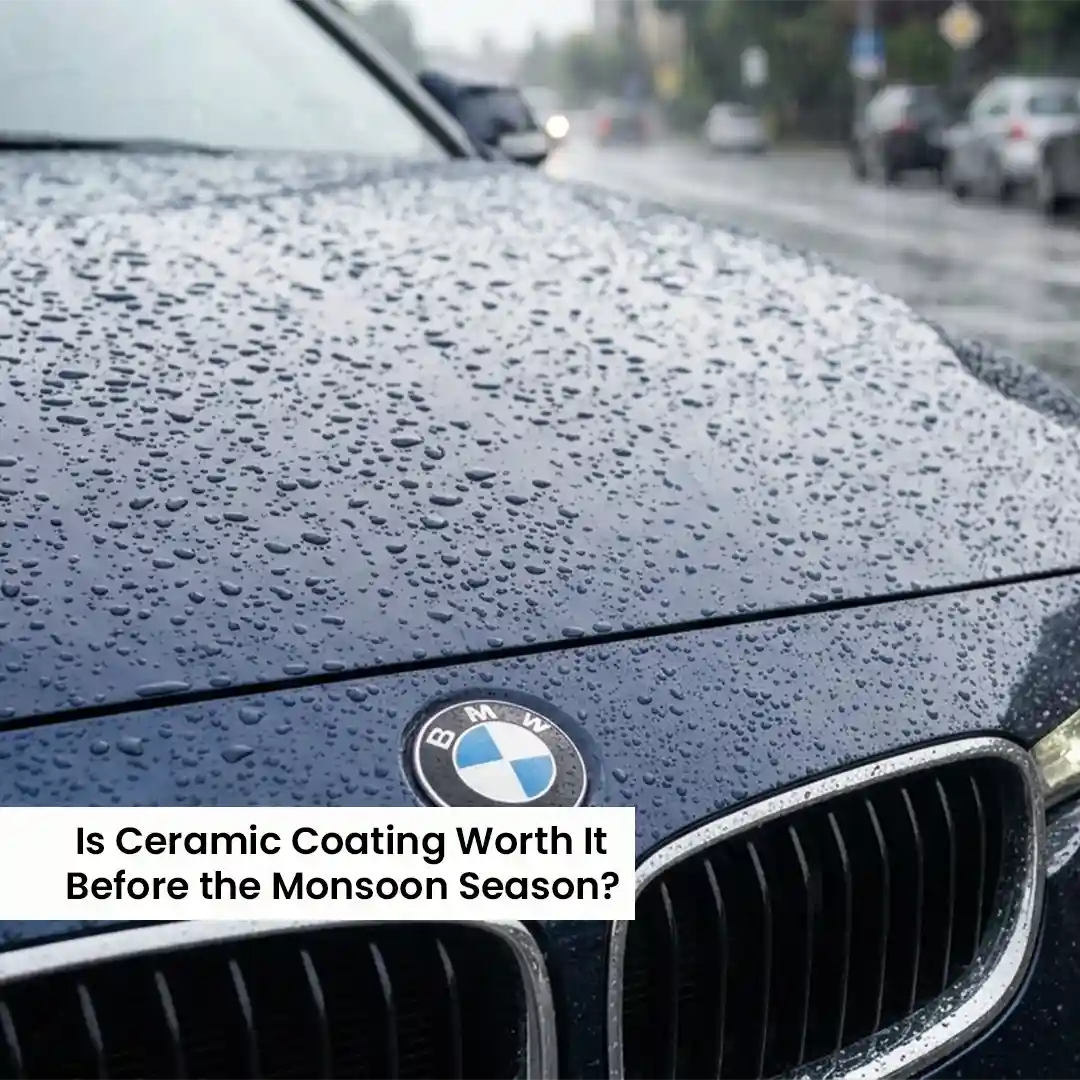
Yes, ceramic coating can be worthwhile before the monsoon, particularly for cars regularly exposed to rain, road grime, bird droppings, tree sap and water spots. A quality coating creates a hydrophobic surface that makes water and contaminants easier to remove while adding resistance to environmental and chemical damage.

However, ceramic coating is not a substitute for regular washing, and it does not make car paint scratch-proof or completely prevent water spots.

Why Apply Ceramic Coating Before the Monsoon?

Monsoon driving exposes your car to more than just rain. Mud, dust, insects, road contaminants and dirty standing water can remain on the paint after a drive.

A ceramic coating chemically bonds to the paint and creates a durable protective layer. Its hydrophobic properties encourage water to bead and roll away, while the coating can make routine cleaning easier.

For car owners considering ceramic coating in Kochi, where heavy seasonal rainfall and humidity are important considerations, professional preparation and application are particularly important.

What Ceramic Coating Can and Cannot Do

Ceramic coating can help withCeramic coating cannot guarantee
Water repellencyComplete scratch protection
Easier removal of road grimeProtection from stone chips
Resistance to environmental contaminantsElimination of water spots
UV and chemical protectionZero maintenance
Gloss and surface slicknessPermanent protection

The coating should therefore be viewed as a paint protection and maintenance aid, rather than an invisible shield against every form of damage.

How Does It Help During Heavy Rain?

The hydrophobic surface changes how water interacts with the paint. Instead of spreading across the surface, water tends to form droplets and run off more readily. This can reduce the amount of water and loose dirt that remains on the vehicle.

However, rainwater can still contain contaminants, and water that dries on a car can leave mineral deposits. Ceramic Pro’s aftercare guidance specifically recommends drying the vehicle completely rather than allowing it to air-dry because minerals in water can contribute to water spotting.

Should You Get Paint Correction First?

Yes, if the paint has visible swirls, oxidation, scratches or other imperfections.

Ceramic coating does not hide paint defects permanently. In fact, it can preserve the condition of the surface underneath it.

For a new car with clean, well-maintained paint, extensive correction may not be necessary. The appropriate preparation should depend on the actual condition of the paint.

What About Washing After Monsoon Drives?

A ceramic-coated car should still be washed regularly. If the vehicle comes home covered in mud and road grime, leaving the contamination on the surface for an extended period is not good practice.

Use a suitable car shampoo, gentle wash mitt and clean microfiber towels. Avoid aggressive scrubbing. Ceramic Pro recommends rinsing debris first, using appropriate washing methods and drying the vehicle completely.

The exact maintenance interval depends on how often you drive, local conditions and the coating used.

Is Ceramic Coating Worth It Before the Monsoon?

For owners who want easier maintenance and additional protection against environmental contamination, yes. The greatest benefit is not that the car becomes maintenance-free. It is that routine cleaning can become easier and the paint gains an additional protective layer.

If you are looking for the Best car detailing studio in Kochi, compare the preparation process, coating brand, curing procedure, warranty and aftercare support rather than choosing a studio based only on price.

Carsbuddy can also be considered when researching professional car detailing and ceramic coating services.

FAQs

1. Is it beneficial to apply a ceramic coating right before the monsoon season?

Yes, provided the coating is professionally prepared and applied with enough time for proper curing. A ceramic coating can improve water repellency, make contaminants easier to clean and provide resistance against environmental and chemical exposure. The important consideration is timing: the vehicle must remain protected from water for the manufacturer's specified curing period after application.

2. How does ceramic coating protect car paint during heavy rains?

Ceramic coating creates a hydrophobic surface that encourages water to bead and move off the paint. It also provides a chemically resistant layer that can help protect against environmental contaminants. However, rainwater can still leave mineral deposits when it dries. Washing and properly drying the vehicle remain important, particularly during periods of heavy rainfall.

3. Will rainwater stain or damage a car with ceramic coating?

Ceramic coating reduces the likelihood of certain contaminants bonding strongly to the paint, but it does not make the surface immune to water spots. Rainwater can contain minerals and contaminants that remain after evaporation. If water spots develop, they should be addressed using coating-safe methods rather than aggressive polishing or abrasive products.

4. Can I wash my ceramic-coated car immediately after driving through monsoon mud and grime?

If the coating has fully cured, washing the car after a muddy drive is advisable rather than allowing contaminants to remain on the surface. However, a newly applied coating needs a specific curing period before washing. Ceramic Pro recommends waiting around two weeks for its coatings, while other products may have different requirements. Always follow the coating manufacturer's instructions.

5. Should I get paint correction done before applying ceramic coating for the monsoon?

Paint correction is advisable when the vehicle has noticeable swirl marks, oxidation or other paint defects. A ceramic coating does not replace paint correction, and applying it over an imperfect surface can preserve those imperfections underneath the coating. If the paint is already in excellent condition, extensive correction may not be necessary.
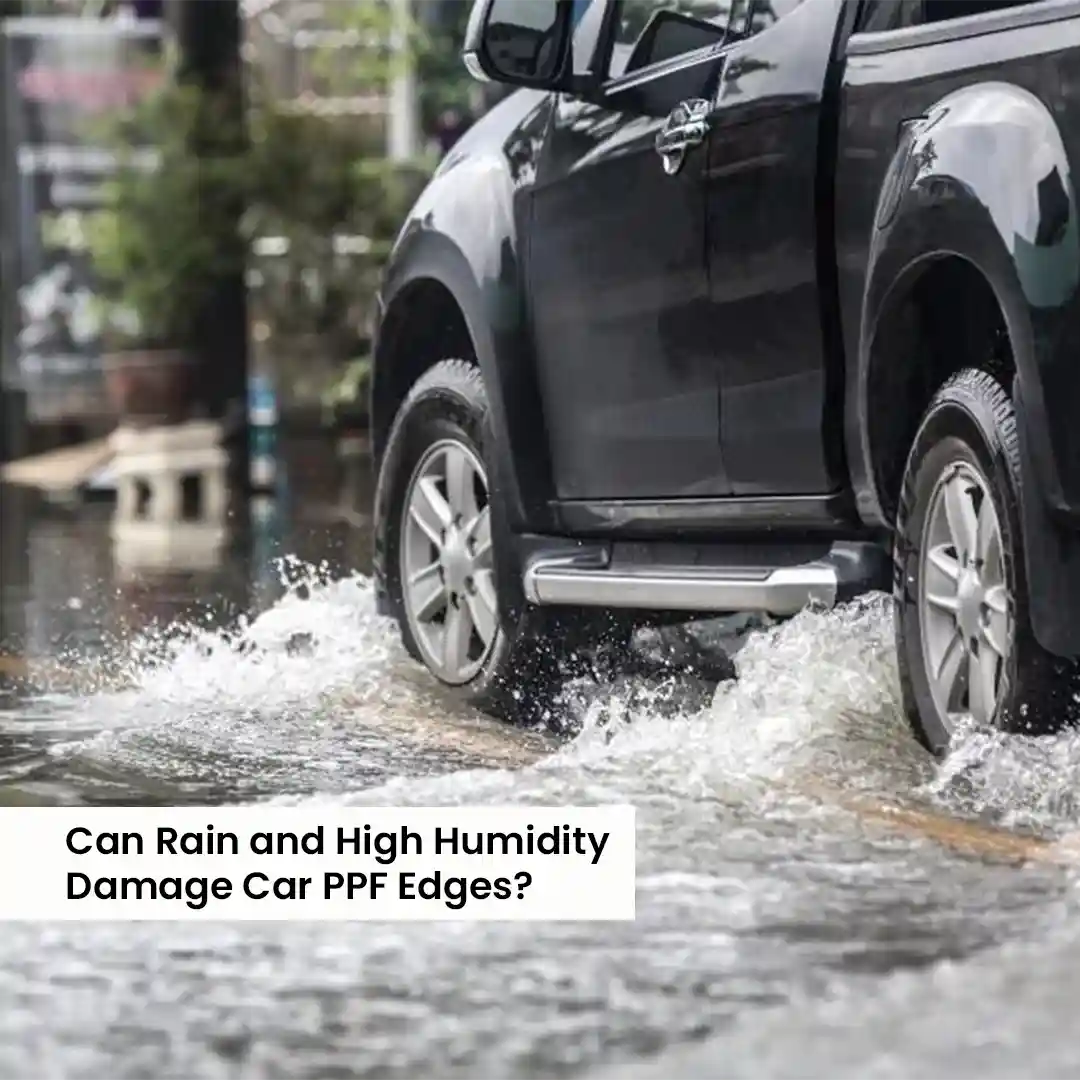
Can Rain and High Humidity Damage Car PPF Edges?

Paint Protection Film (PPF) is designed to protect a car’s paint from stone chips, scratches, stains and everyday road contaminants. However, the film still needs proper care, particularly during the monsoon when vehicles are exposed to rain, moisture, mud and frequent washing.

So, can rain and high humidity cause PPF edges to lift or peel? Rain itself does not normally cause a properly installed PPF to fail. Edge lifting is more often associated with installation quality, exposed edges, contamination, aggressive washing or water being forced underneath the film. We warn that excessive pressure can force water underneath PPF and weaken adhesion, leading to lifting or curling.

Why PPF Edges Need Extra Attention During Monsoon

PPF edges are among the areas most likely to collect dirt and moisture. If an edge has already started lifting, repeated exposure to water, road grime and pressure washing can make the problem worse.

Professional installation plays an important role. Correct preparation, positioning and edge setting help the film maintain proper adhesion. Vehicle-specific patterns and professional installation are also recommended by major PPF manufacturers.

Common Monsoon Risks for PPF

RiskWhat Can Happen
Heavy rainDirt and contaminants accumulate around exposed edges
High-pressure washingWater can be forced underneath the film
Mud and gritCan collect around lifted edges
Bird droppings and insectsMay stain the film if left for long
Poor installationEdges may be more prone to lifting
Delayed cleaningContaminants can become harder to remove

Does Humidity Make PPF Turn Yellow or Cloudy?

Not normally. Quality modern PPF is designed to resist yellowing and maintain clarity. For example, XPEL describes its PPF as non-yellowing and SunTek offers products with warranties covering issues such as yellowing, depending on the specific product and warranty terms.

Cloudiness or visible moisture should not automatically be attributed to humidity. If you notice persistent haziness, bubbles or changes in appearance, have the film inspected by the installer.

How Often Should You Wash a PPF-Coated Car During Monsoon?

There is no universal weekly schedule. The better rule is to clean the car whenever rain leaves behind mud, dirt, bird droppings or other contaminants.

Hand washing is generally preferred. We recommend hand washing with soap, water and a soft cloth, while others recommend hand washing whenever possible and advise against aggressive washing methods.

After washing, inspect the film edges rather than simply wiping the visible surface.

What If a PPF Edge Starts Peeling?

Do not pull, trim or press the lifted section back yourself. Take the vehicle to the professional installer as soon as possible.

A loose section can collect dirt and moisture underneath it, and aggressive washing can make the lifting worse. We also recommend checking PPF after washing and having lifted or damaged film repaired, removed or replaced.

Early inspection can also help determine whether the issue is limited to a small edge or whether the affected section needs replacement.

Can You Apply Ceramic Coating Over PPF?

Yes, a compatible ceramic coating or PPF-specific sealant can be applied over suitable PPF, provided the product manufacturer permits it. SunTek, for example, confirms that ceramic coatings can be applied over its PPF.

A coating can make the film more hydrophobic and easier to maintain, but it does not fix a poorly bonded or already lifting edge. Edge inspection and correct installation remain more important.

Monsoon PPF Maintenance Checklist

For practical PPF maintenance during monsoon, follow these habits:

  • Hand wash whenever possible.
  • Avoid directing high-pressure water at film edges.
  • Remove mud and road grime promptly.
  • Clean bird droppings and insects without aggressive scrubbing.
  • Dry the vehicle after washing.
  • Check edges regularly for lifting or curling.
  • Avoid abrasive cleaners and harsh chemicals.
  • Have any lifting inspected by a professional installer.

If you are looking for Paint Protection Film in Bangalore, choosing an experienced installer is particularly important. A good installation and aftercare process can matter as much as the film itself.

For car owners comparing a Best car detailing studio in Bangalore, ask about the PPF brand, installation method, warranty, edge coverage and aftercare recommendations before choosing a package. Carsbuddy can also be considered when evaluating professional car detailing and paint protection services.

FAQs​

1. Can rain and high humidity cause PPF edges to lift or peel?

Rain and humidity alone should not normally cause properly installed PPF to peel. However, existing edge lifting can worsen when water, dirt and pressure washing get underneath the film. Installation quality, edge preparation and washing technique are important factors. High-pressure water directed at the edge can weaken adhesion and cause lifting or curling.

2. Does humidity cause PPF to turn yellow or cloud up?

Quality PPF is designed to resist yellowing and maintain optical clarity. Persistent cloudiness, bubbling or discoloration should therefore be inspected rather than automatically blamed on humidity. The film's quality, age, exposure, installation and maintenance can all influence its appearance. Warranty coverage also varies between PPF products and manufacturers.

3. What should I do if I notice the PPF edge starting to peel during the monsoon?

Have the vehicle inspected by the original installer or another qualified PPF professional as soon as possible. Avoid pulling, trimming or repeatedly pressing the loose section yourself. Do not direct a pressure washer at the affected area. Early inspection can prevent dirt and moisture from accumulating underneath and determine whether the edge can be repaired or the section needs replacement.

4. How often should I wash my PPF-coated car during the rainy season?

Wash it whenever rain leaves significant mud, dirt, bird droppings or other contaminants on the surface. There is no fixed monsoon frequency that suits every vehicle. Hand washing with suitable soap and a soft cloth is generally preferred. After washing, dry the car and check the PPF edges for lifting, curling or trapped debris.

5. Can I apply ceramic coating or sealant over PPF during the monsoon?

Yes, provided the coating or sealant is compatible with the specific PPF. Ceramic coatings can add hydrophobic properties and make cleaning easier, but they do not repair lifted edges or replace proper PPF maintenance. SunTek confirms that ceramic coatings can be applied over its PPF, while some products already incorporate hydrophobic topcoat technology.

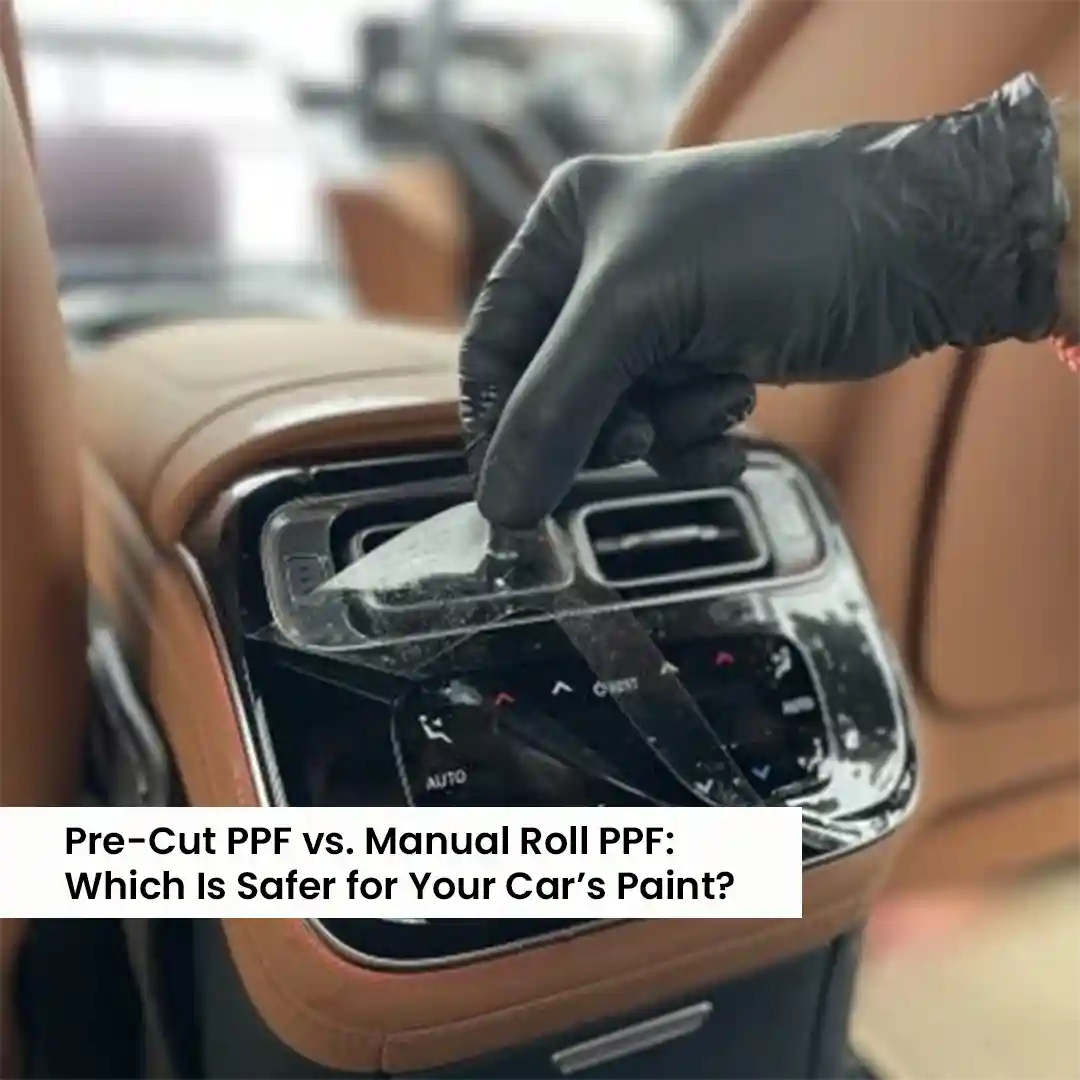
Pre-Cut PPF vs. Manual Roll PPF: Which Is Safer for Your Car’s Paint?

Your car’s paint is constantly exposed to stone chips, road debris, UV rays, bird droppings, and everyday wear. That’s why many owners choose Paint Protection Film (PPF) to preserve their vehicle’s finish. However, one common question remains: Should you choose Pre-Cut PPF or Manual Roll PPF?

If you’re considering Paint Protection Film in Kochi, understanding the differences between these two installation methods can help you make the right decision.

What Is Paint Protection Film?

Paint Protection Film is a transparent polyurethane film applied to your vehicle’s painted surfaces. It acts as a protective barrier against scratches, stone chips, swirl marks, and environmental contaminants while preserving the original factory paint.

The performance of the film depends not only on its quality but also on how it is installed.

Pre-Cut PPF vs. Manual Roll PPF
FEATUREPRE-CUT PPFMANUAL ROLL PPF
Cutting MethodComputer-designed templatesHand-cut during installation
Paint SafetyNo blade contact with paintRequires cutting on the vehicle
Installation ConsistencyHighly preciseDepends on technician skill
Risk of Paint DamageExtremely lowHigher if not handled correctly
CustomisationLimited to available templates


Can be customised for unique panels


For most modern vehicles, Pre-Cut PPF is considered the safer option because the film is cut before it reaches the car, eliminating the need to use blades directly on the painted surface.

Which Option Is Safer?

When paint safety is the priority, Pre-Cut PPF has a clear advantage.

Since every panel is digitally measured and cut using specialised software, installers can simply align and apply the film. This significantly reduces the risk of accidental cuts or damage during installation.

Manual Roll PPF, on the other hand, relies heavily on the installer’s expertise. While experienced professionals can achieve excellent results, the process involves trimming the film on the vehicle, which carries a small but avoidable risk.

Does Manual Roll PPF Have Any Advantages?

Yes. Manual Roll PPF remains useful for situations where digital templates are unavailable or when working on custom body kits, modified vehicles, or complex panels that require a tailored fit.

When performed by skilled technicians, Manual Roll PPF can provide excellent coverage. However, precision and experience become critical factors.

Why Installation Quality Matters

Whether you choose Pre-Cut or Manual Roll PPF, the quality of installation determines the final result.

A trusted best car detailing studio will prepare the surface thoroughly, remove contaminants, ensure proper alignment, and eliminate air bubbles before the film cures. Professional installation also helps maximise the film’s durability and appearance.

At CarsBuddy, trained technicians use premium PPF solutions and proven installation techniques to deliver reliable paint protection with attention to every detail.

Conclusion

Choosing between Pre-Cut PPF and Manual Roll PPF ultimately depends on your vehicle and your priorities. For most owners, Pre-Cut PPF offers greater peace of mind by reducing the risk of accidental paint damage while ensuring a precise fit. Manual Roll PPF remains a valuable option for customised applications when installed by experienced professionals.

If you’re looking for Paint Protection Film in Kochi, choosing an experienced best car detailing studio like CarsBuddy ensures your vehicle receives expert installation, premium materials, and long-lasting protection.

FAQs

1.Which is safer for my car's original paint: Pre-Cut PPF or Manual Roll PPF?

Pre-Cut PPF is generally safer because the film is cut using computer-generated templates before installation. This eliminates the need to trim the film directly on the vehicle, reducing the risk of accidental blade marks on the original paint.

2. Does Pre-Cut PPF provide complete coverage on edges and curves?

Modern Pre-Cut PPF templates are designed to fit specific vehicle models with excellent accuracy. While coverage is highly precise, some installers may wrap certain edges manually to achieve an even cleaner finish, depending on the vehicle and installation method.

3. What are the advantages of Manual Roll PPF over Pre-Cut PPF?

Manual Roll PPF offers greater flexibility for customised vehicles, aftermarket body kits, and panels without available templates. It also allows experienced installers to create custom edge wraps for specific applications. However, it requires a high level of skill to avoid damaging the paint.

4.How long does a PPF installation take at a car detailing studio?

A full-body PPF installation typically takes between two and five days, depending on the vehicle size, the areas being covered, and the preparation required. This includes washing, paint decontamination, correction if needed, installation, and curing.

5. Why should I choose a top car detailing studio for PPF installation?

PPF installation is a precision job. An experienced detailing studio uses quality films, proper installation techniques, controlled working conditions, and trained technicians to ensure better fit, durability, and long-term paint protection. Choosing a trusted studio also reduces the risk of installation defects and premature film failure.

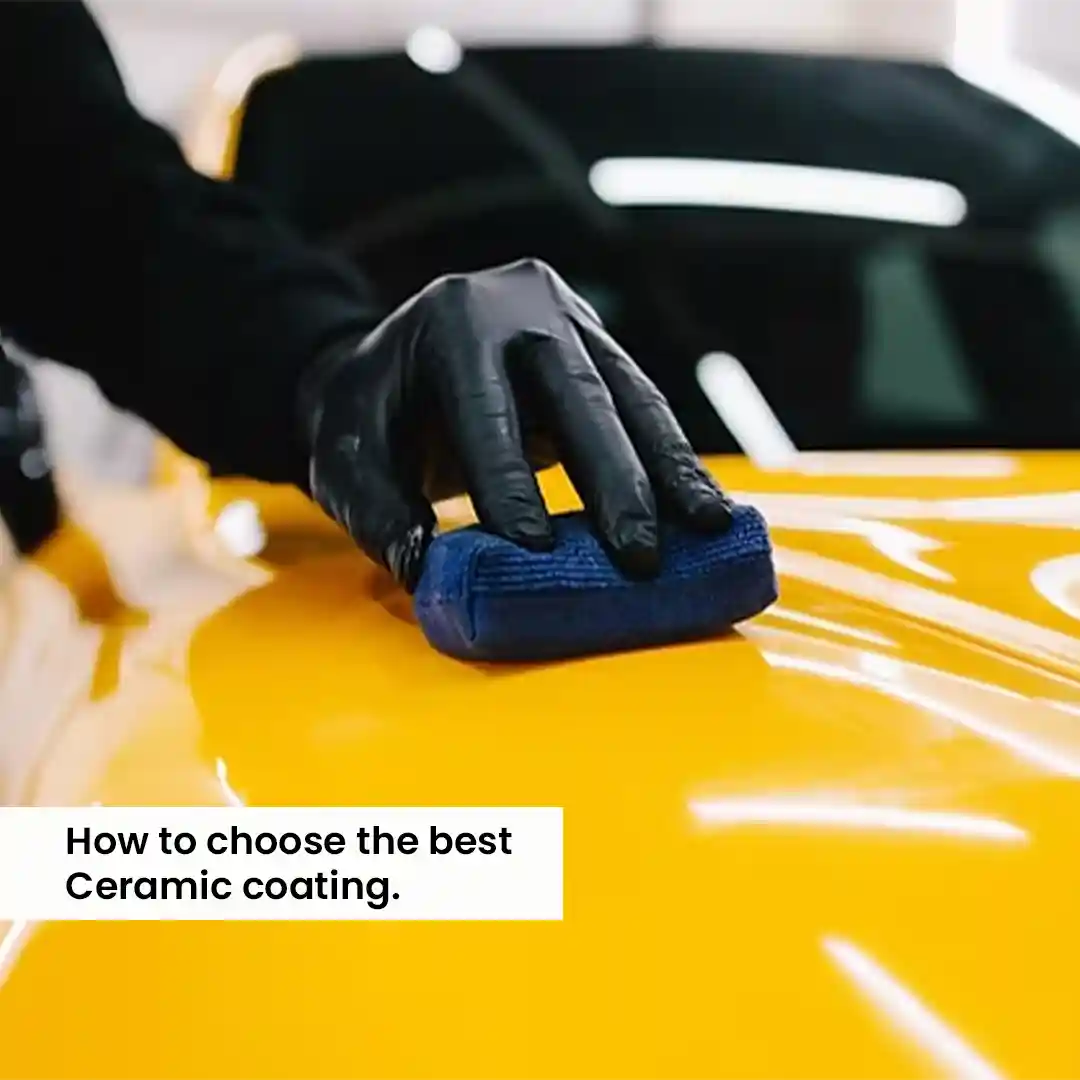
How to choose the best Ceramic coating for your car

Your car faces constant exposure to sunlight, rain, dust, bird droppings, and road grime. While regular washing helps, it cannot provide lasting protection. That’s where ceramic coating comes in. If you’re looking for the best ceramic coating in Bangalore, understanding what makes a quality coating is the first step.

What Is Ceramic Coating?

Ceramic coating is a liquid polymer applied to a vehicle’s paint that chemically bonds with the surface. Once cured, it creates a durable, hydrophobic layer that helps repel water, dirt, UV rays, and chemical contaminants while making the paint easier to clean.

Unlike wax or sealants, ceramic coatings offer longer-lasting protection and improved gloss.

How to Choose the Best Ceramic Coating

Not all ceramic coatings deliver the same results. Consider these factors before making a decision:

FACTORWHY IT MATTERS
DurabilityPremium coatings can last between 2 and 9 years with proper maintenance.
Brand QualityChoose trusted brands backed by proven performance and warranty support.
Professional ApplicationProper surface preparation and installation determine the coating’s effectiveness.
WarrantyA genuine warranty reflects confidence in the product and application process.
Aftercare SupportRegular maintenance helps maximise the coating’s lifespan.

When selecting the best car detailing studio, look beyond the product. Skilled technicians and proper paint correction are equally important for achieving the desired finish.

Why Professional Installation Matters

A ceramic coating performs only as well as the preparation beneath it. Professional detailers begin by washing, decontaminating, and correcting paint imperfections before applying the coating in a controlled environment. This ensures proper bonding and a smooth, high-gloss finish.

At CarsBuddy, every vehicle undergoes a thorough inspection and preparation process before ceramic coating is applied, helping customers achieve long-lasting protection and a premium finish.

Benefits of Ceramic Coating
  • Long-lasting paint protection
  • Excellent water and dirt repellency
  • Enhanced gloss and depth
  • Protection against UV rays and oxidation
  • Easier cleaning and maintenance
  • Helps preserve your vehicle’s resale value
Conclusion

Choosing the best ceramic coating is about more than just the product. The quality of preparation, the expertise of the technicians, and the aftercare offered by the detailing studio all play a crucial role in the final results. A professionally applied ceramic coating can keep your car looking newer for longer while making it easier to maintain.

If you’re looking for ceramic coating in Bangalore, trust a best car detailing studio like CarsBuddy. With premium products, experienced professionals, and a commitment to quality, CarsBuddy helps protect your vehicle and preserve its finish for years to come.

FAQs

1. Which type of ceramic coating is best?

The best ceramic coating depends on your driving habits, budget, and expectations. Professional-grade coatings typically offer better durability, chemical resistance, and warranty coverage than consumer-grade products. A detailing expert can recommend the most suitable option for your vehicle.

2. Is 3M ceramic coating good?

Yes. 3M Ceramic Coating is a well-known product that offers reliable paint protection, water repellency, and gloss enhancement when professionally applied. However, the final results depend just as much on the quality of surface preparation and installation as the coating itself.

3. Does ceramic coating protect against scratches and stone chips?

Ceramic coating helps reduce minor swirl marks and light surface scratches during washing. However, it does not protect against deep scratches, stone chips, or collision damage. For maximum impact protection, Paint Protection Film (PPF) remains the better solution.

4. How long does it take to get ceramic coating applied at a detailing studio?

Most professional ceramic coating services take one to two days. The process includes washing, paint decontamination, paint correction if required, coating application, and curing to ensure proper bonding.

5. How do I maintain my vehicle after ceramic coating?

Wash your vehicle using pH-neutral shampoo, avoid automatic brush washes, and remove bird droppings or tree sap promptly. Periodic maintenance inspections at your detailing studio help keep the coating performing at its best.

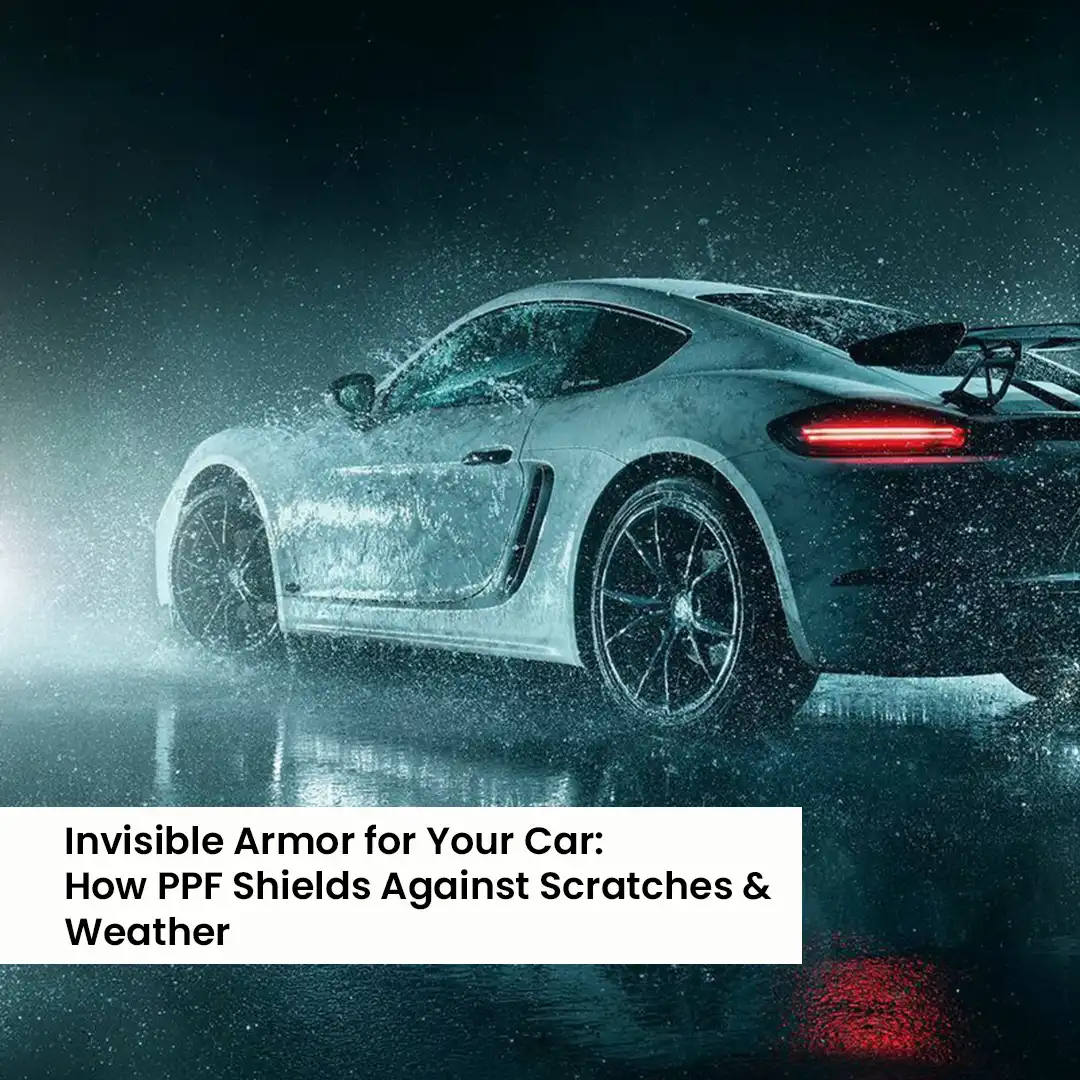
How PPF Shields Against Scratches & Weather Damage

A vehicle’s exterior is exposed to various environmental conditions every day. Road debris, minor scratches, sunlight, rain, and contaminants can affect the appearance of the paint over time. Protecting the painted surface is an important part of vehicle maintenance. 

One widely used solution is Paint Protection Film in Bangalore. If you are looking for the best car detailing studio to secure your vehicle, Carsbuddy provides premium PPF. This transparent film is applied to a vehicle’s painted surfaces to create a protective barrier against everyday wear and environmental exposure. 

What Is Paint Protection Film? 

Paint Protection Film is a transparent thermoplastic polyurethane film designed for automotive surfaces. It is applied over the vehicle’s paint to help protect against external damage.

The film is engineered to absorb minor impacts and reduce direct contact between the paint and environmental contaminants. Because it is transparent, it allows the original paint colour and finish to remain visible.

Protection Against Scratches and Stone Chips 

Vehicles regularly encounter dust, gravel, road debris, and other particles while driving. These can cause minor scratches and stone chips on painted surfaces.

PPF acts as a protective layer between the paint and these external elements. The film absorbs much of the impact from small debris, helping to reduce direct damage to the paint underneath.

Areas such as the front bumper, bonnet, fenders, mirrors, and door edges are commonly protected because they are more exposed to road hazards. 

Shielding Against Weather Damage

Weather conditions can also affect a vehicle’s exterior. Continuous exposure to sunlight, rain, humidity, and airborne contaminants can contribute to paint deterioration over time. 
 
Paint Protection Film in Bangalore offered at Carsbuddy helps create a barrier that limits direct contact between the paint and environmental elements. This additional layer supports the preservation of the vehicle’s exterior finish under varying weather conditions.
 

Self-Healing Surface Technology

Many modern PPF products include self-healing properties. Minor surface marks and light swirl marks can become less visible when the film is exposed to heat from sunlight or warm water.

This feature helps maintain a cleaner and more uniform appearance on the protected surface.
 

Maintaining a Vehicle with PPF

Paint Protection Film requires routine care to perform effectively. Regular washing helps remove dirt, dust, and contaminants from the film’s surface.

Vehicle owners should follow recommended maintenance guidelines provided by the installer or manufacturer to maximise the lifespan of the film.

Conclusion

Vehicles are exposed to scratches, road debris, and changing weather conditions throughout their lifespan. Paint Protection Film in Bangalore provides a transparent protective layer that helps reduce surface damage and supports paint preservation. Combined with regular maintenance, PPF serves as a practical solution for protecting automotive paint against everyday environmental exposure.


FAQs

1. What exactly is Paint Protection Film?

Paint Protection Film (PPF) is a transparent polyurethane film applied to a vehicle's painted surfaces to help protect against scratches, stone chips, and environmental damage.

2. Is PPF visible once applied to the car?

PPF is designed to be nearly invisible. When professionally installed, it maintains the original appearance and finish of the vehicle.

3. How does PPF protect against scratches and stone chips?

PPF acts as a protective barrier that absorbs minor impacts from road debris, helping reduce direct damage to the paint underneath.

4. Can PPF withstand harsh weather conditions?

Yes. PPF is designed to withstand exposure to sunlight, rain, humidity, and other environmental elements while protecting the vehicle's paint.

5. Can PPF be applied over ceramic or graphene coating?

PPF is typically applied directly to the paint surface. Ceramic or graphene coatings can be applied over PPF if recommended by the manufacturer or installer.

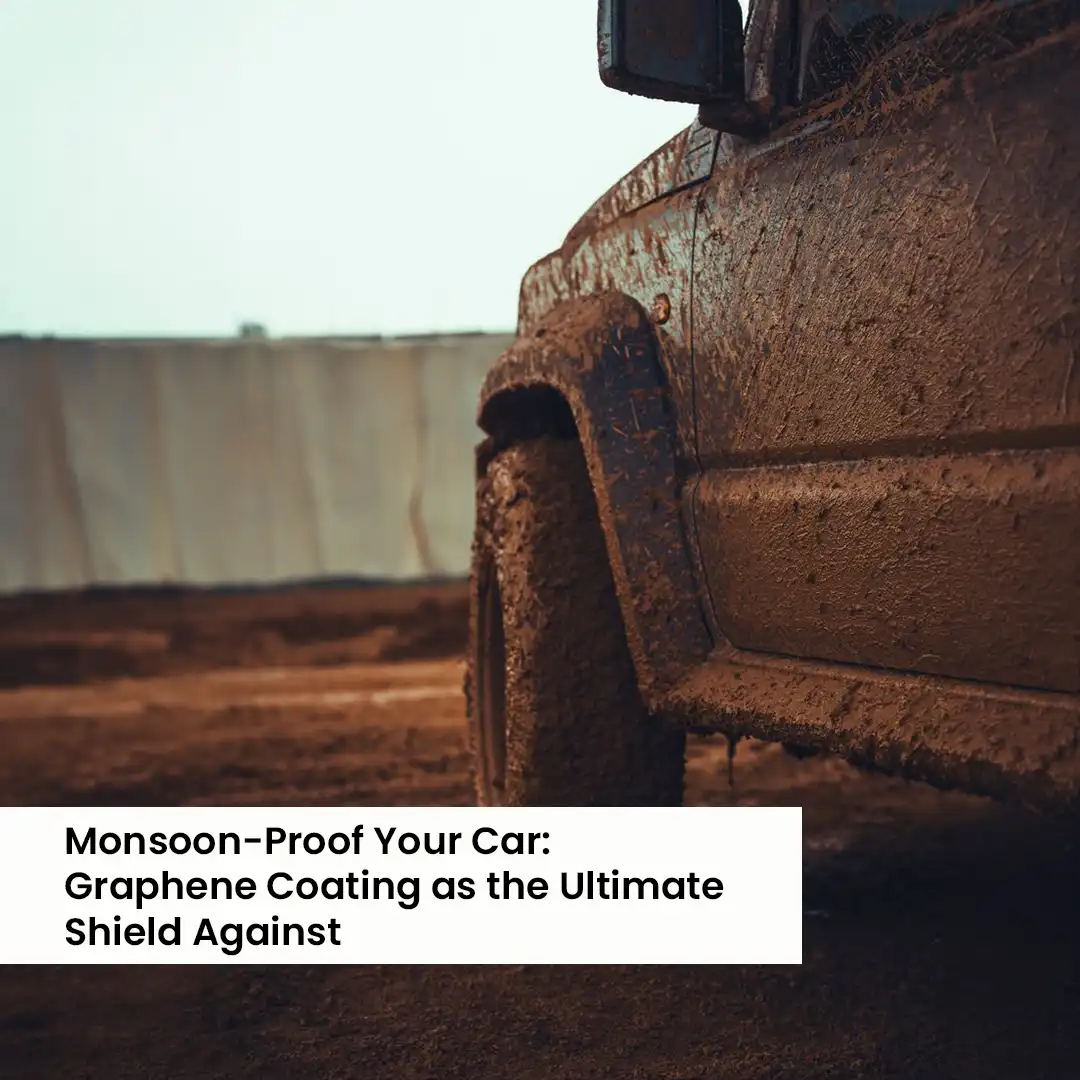
How Graphene Coating Easily Protects Your Car This Monsoon

The monsoon season can be challenging for vehicle maintenance. Constant exposure to rain, mud, road grime, and humidity can affect a car’s exterior over time. Proper surface protection helps reduce the impact of these environmental conditions and supports easier maintenance.

One solution increasingly used for vehicle protection is Graphene coating in Kochi at Carsbuddy. This advanced surface coating creates a protective layer that helps safeguard a vehicle’s paint against common monsoon-related contaminants.

How Monsoon Conditions Affect Vehicle Paint

During the rainy season, vehicles are exposed to more than just water. Rainwater often carries dust, pollutants, and other airborne particles. Mud splashes and road grime can accumulate on the surface of the vehicle. High humidity levels may also contribute to prolonged moisture retention.

If contaminants remain on the paint for extended periods, they can affect the appearance of the vehicle and make cleaning more difficult.

What Is Graphene Coating?

Graphene coating is a high-grade protective layer applied to a vehicle’s painted surfaces. When applied professionally at a premier center like Carsbuddy, it creates a durable barrier between the paint and external environmental elements.

The coating forms a hydrophobic surface, which means water is more likely to bead and roll off the vehicle. This property helps reduce the amount of water and dirt that remains on the paint after rainfall.

Protection Against Rain and Water Spots

Frequent rainfall can leave water spots and mineral deposits on vehicle surfaces. A properly applied graphene coating helps reduce water retention by encouraging water droplets to slide off more easily.

This can make routine cleaning simpler and help maintain the appearance of the paint during the monsoon season.

Reduced Mud and Dirt Adhesion

Mud, road debris, and grime are common during rainy months. Graphene-coated surfaces tend to be smoother, which can reduce the ability of contaminants to bond strongly with the paint.

As a result, washing away accumulated dirt often requires less effort compared to untreated surfaces.

Support Against Humidity and Environmental Exposure

Humidity remains high in many coastal regions during the monsoon season. Graphene coating in Kochi is often considered as part of a vehicle care strategy because it creates an additional protective layer over painted surfaces.

While regular maintenance remains important, the coating helps limit direct exposure of the paint to environmental contaminants and moisture-related deposits.

Maintaining a Graphene-Coated Vehicle

Routine maintenance is still necessary. Vehicles should be washed using pH-neutral automotive shampoos and cleaned regularly to remove accumulated dirt and debris.

Periodic inspections can also help ensure the coating continues to perform effectively throughout the year

Conclusion

Monsoon conditions expose vehicles to rain, mud, road contaminants, and humidity. Graphene coating in Kochi provides an additional protective layer that supports paint protection and easier maintenance during these conditions. Combined with regular washing and proper care, graphene coating can help maintain a vehicle’s exterior throughout the rainy season.

FAQs

1. Does graphene coating prevent water spots during monsoon?

Graphene coating helps reduce water spots by allowing water to bead and roll off the surface more easily. Regular cleaning is still recommended.

2. How does graphene coating handle mud and grime in rainy traffic?

The coating creates a smoother surface, making it harder for mud, dirt, and road grime to stick strongly to the paint.

3. Is graphene coating durable through repeated monsoon cycles?

Yes. When properly applied and maintained, graphene coating is designed to withstand regular exposure to rain, humidity, and environmental contaminants.

4. How long does graphene coating last if applied before monsoon season?

The lifespan depends on the product quality, application process, and maintenance. Most professional graphene coatings can last several years.

5. Can I apply graphene coating myself at home?

DIY graphene coating products are available, but professional application typically ensures better surface preparation and more consistent results.

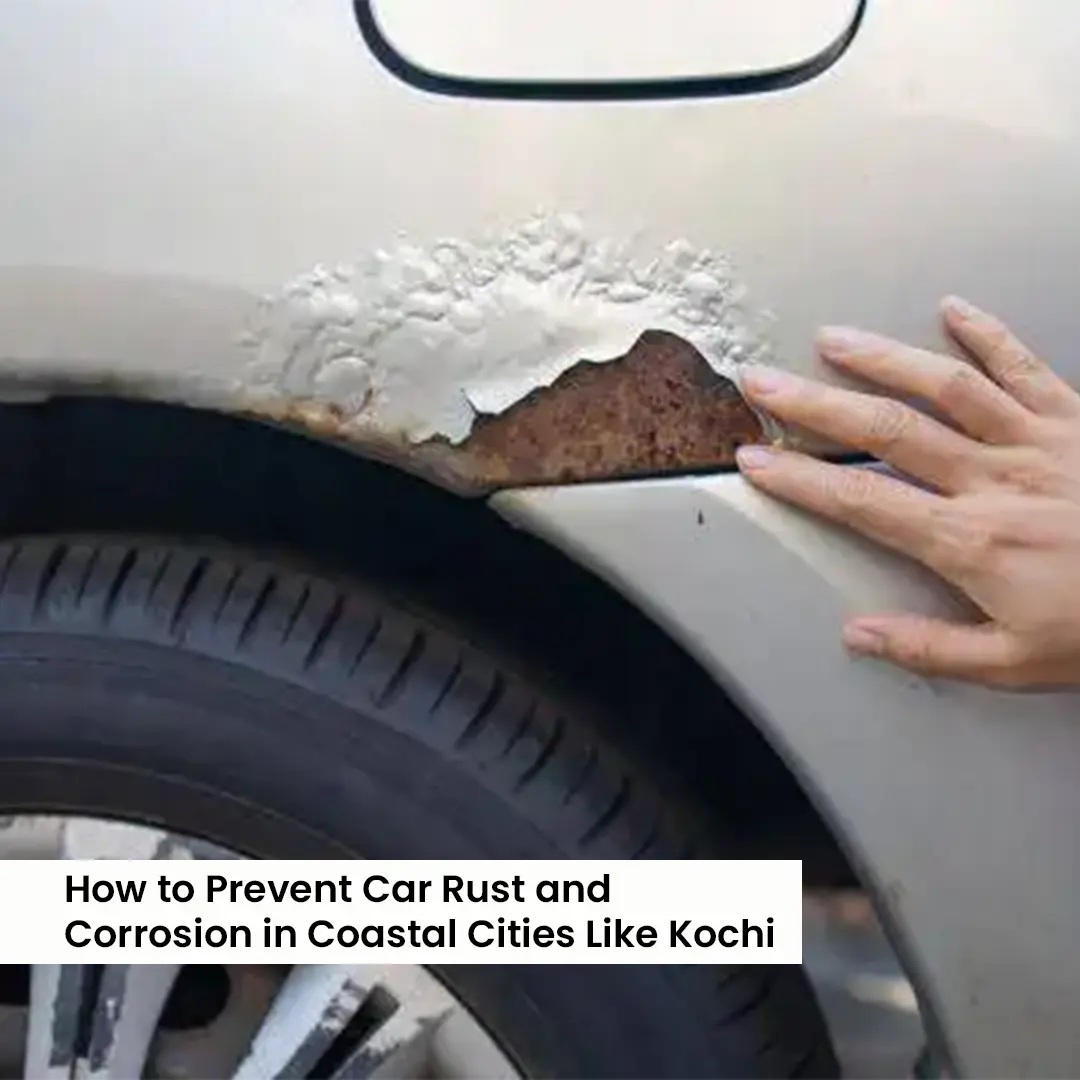
How to Prevent Car Rust: Ceramic Coating Kochi | Carsbuddy

Cars in coastal cities like Kochi are more exposed to rust and corrosion because of high humidity, salt in the air, and regular moisture exposure. Preventing rust requires consistent cleaning, paint protection, underbody care, and protective treatments such as Ceramic Coating in Kochi.

Salt particles carried through coastal air can settle on vehicle surfaces and accelerate corrosion over time. This affects both the exterior paint and metal components underneath the vehicle.

Why Coastal Areas Increase Rust Formation

Rust forms when metal reacts with oxygen and moisture. In coastal environments, salt acts as a catalyst that speeds up this process.

In cities like Kochi, vehicles are commonly exposed to:

  • Humid weather
  • Sea salt deposits
  • Water accumulation
  • Monsoon rainfall
  • Wet road conditions

Over time, untreated exposure may lead to:

  • Paint deterioration
  • Metal corrosion
  • Underbody rust
  • Surface oxidation

Regular preventive maintenance is important for vehicles operating in coastal regions.

Importance of Regular Vehicle Washing

Frequent washing helps remove salt particles, mud, and contaminants from vehicle surfaces. Coastal vehicles generally require more regular cleaning than vehicles operated in dry regions.

Vehicle owners are usually advised to:

  • Wash the car regularly
  • Clean wheel arches and underbody sections
  • Remove salt residue after long drives
  • Dry the vehicle properly after washing

Salt accumulation often remains unnoticed in lower body panels and hidden metal sections.

Role of Ceramic Coating in Kochi

Ceramic Coating in Kochi is commonly used as an additional paint protection layer for vehicles exposed to coastal conditions.

Ceramic coating creates a protective layer over the paint surface that helps reduce direct contact between contaminants and the vehicle’s exterior.

The coating may help support:

  • Water repellence
  • Reduced dirt accumulation
  • Easier cleaning
  • UV protection
  • Surface protection against environmental exposure

While ceramic coating does not make a vehicle rust-proof, it helps support paint surface protection when combined with proper maintenance practices.

Underbody Protection is Important

The underbody is one of the most vulnerable areas for corrosion because it is directly exposed to water, mud, and salt.

Preventive underbody protection may include:

  • Anti-rust coating
  • Underbody washing
  • Protective sealants
  • Periodic inspection for corrosion signs

Regular inspection helps identify rust formation before it spreads to structural components.

Protecting Paint and Metal Surfaces

Paint damage increases the risk of rust because exposed metal reacts more easily with moisture.

Vehicle owners should address:

  • Paint scratches
  • Stone chips
  • Surface dents
  • Peeling paint

Immediate repair of damaged paint areas helps reduce corrosion risk.

Using Ceramic Coating in Kochi along with paint correction services may help maintain surface protection for longer periods.

Parking and Storage Considerations

Parking conditions also affect corrosion levels.

Whenever possible, vehicles should be parked:

  • In covered areas
  • Away from direct sea breeze exposure
  • In dry and ventilated spaces

Continuous exposure to moisture and salt-heavy air may accelerate metal deterioration.

Routine Inspection and Maintenance

Periodic inspection is important for early detection of corrosion.

Areas commonly inspected include:

  • Door edges
  • Wheel wells
  • Underbody panels
  • Bonnet edges
  • Exhaust components

Professional detailing centres like Carsbuddy and service facilities may also recommend periodic surface protection treatments depending on vehicle usage conditions.

Conclusion

Vehicles operating in coastal cities like Kochi are exposed to environmental conditions that increase the risk of rust and corrosion. Preventive maintenance practices such as regular washing, underbody care, paint repair, and protective treatments help reduce long-term damage.

Ceramic Coating in Kochi is commonly used as part of vehicle paint protection systems to support surface durability and simplify maintenance in coastal conditions.

FAQ’s
1. Why do cars rust faster in coastal cities like Kochi?

High humidity and salt in the air increase moisture exposure and accelerate corrosion on metal surfaces.

2. Does Ceramic Coating protect a car from rust?

Ceramic coating helps protect the paint surface and reduces exposure to contaminants, but regular maintenance is still important.

3. How often should I wash my car to prevent rust if I live near Kochi's coast?

Regular washing, especially once every one to two weeks, helps remove salt and moisture buildup.

4. Can parking in an enclosed garage in Kochi cause rust?

Poorly ventilated garages can trap moisture, which may increase the risk of corrosion over time.

5. What are the primary rust-prone spots on a car I should watch out for?

Common rust-prone areas include the underbody, wheel arches, door edges, bonnet edges, and exhaust components.

How to Fix Warm Car AC in Bangalore Heat?

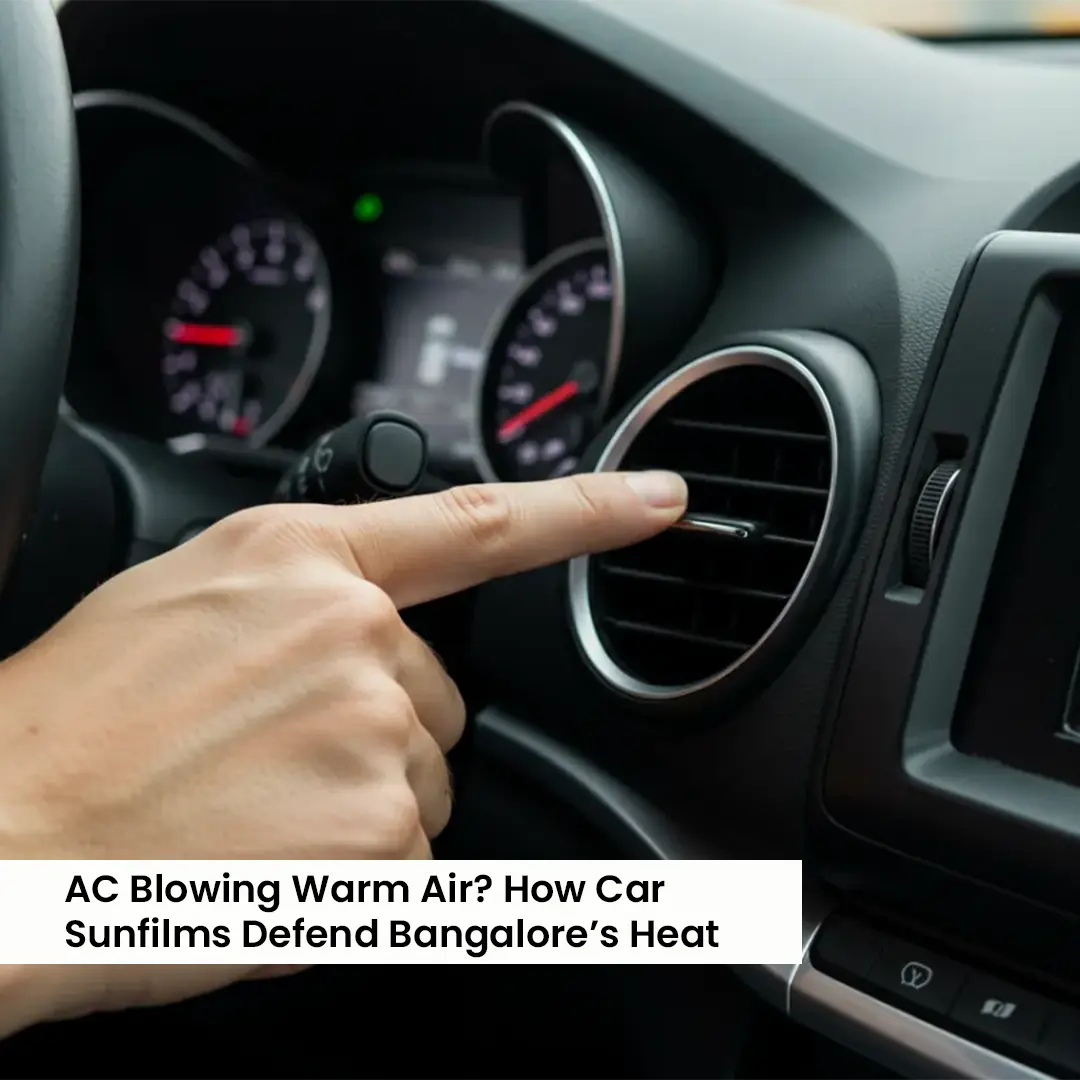
If a car AC is blowing warm air or struggling to cool the cabin during Bangalore’s daytime traffic, heat entering through the windows may be one of the contributing factors. Installing Sun Control Film in Bangalore is one method used to reduce heat buildup inside vehicles by limiting solar heat and infrared radiation entering through glass surfaces.

Bangalore’s weather conditions, increasing daytime temperatures, and long traffic durations can raise cabin temperatures significantly, especially in vehicles exposed to direct sunlight.

Why Car Interiors Heat Up Quickly

Vehicle windows allow sunlight and infrared radiation to enter the cabin. When a parked or moving vehicle remains exposed to sunlight for extended periods, heat becomes trapped inside.

This may lead to:

  • Increased cabin temperature
  • Higher AC workload
  • Slower cooling performance
  • Passenger discomfort
  • Increased fuel consumption in some conditions

Dark dashboards, leather seats, and enclosed cabin spaces can absorb and retain heat for longer durations.

What is Car Sun Control Film?

Car sun control film is a thin layer applied to vehicle windows to reduce solar heat transmission. Modern films are designed to block portions of:

  • Infrared radiation
  • UV rays
  • Solar glare
  • Heat energy

Many vehicle owners now install Sun Control Film in Bangalore to help reduce cabin heat during regular city driving conditions.

Different films may offer different levels of heat rejection, visibility, and UV protection depending on the product type and specifications.

How Sun Control Film Supports AC Performance

Car air conditioning systems work by cooling the air inside the cabin. When excessive solar heat enters through windows, the AC system must work harder to maintain cooling levels.

Sun control films help reduce the amount of heat entering the vehicle. This may support:

  • Faster cabin cooling
  • Reduced heat buildup
  • Improved AC efficiency
  • More stable cabin temperature

Vehicles parked outdoors during daytime conditions often experience higher internal heat accumulation compared to shaded parking conditions.

Infrared Heat Rejection

Infrared radiation is one of the major contributors to heat buildup inside vehicles.

IR-based sun control films are designed to reduce infrared heat penetration without completely blocking visible light. This helps maintain cabin visibility while reducing heat exposure. Some films are engineered using nano-ceramic or multi-layer technologies to improve infrared rejection performance.

UV Protection Benefits

Apart from heat control, Sun Control Film in Bangalore may also help reduce ultraviolet (UV) exposure inside the vehicle cabin.

UV exposure can contribute to:

  • Dashboard fading
  • Interior material deterioration
  • Upholstery damage
  • Increased cabin ageing

Reducing UV penetration may help maintain interior surface condition over time.

Glare Reduction During Driving

Sun glare can affect visibility during daytime driving, especially in high sunlight conditions.

Sun control films may help reduce:

  • Harsh sunlight glare
  • Reflection intensity
  • Eye strain during driving

This may support better visual comfort for drivers and passengers during long commutes.

Legal and Installation Considerations

Vehicle owners should ensure that installed sunfilms comply with applicable visibility and automotive regulations.

Professional installation is important for:

  • Proper film alignment
  • Bubble-free application
  • Long-term adhesion
  • Optical clarity

Film quality, installation standards, and maintenance practices affect durability and overall performance.

Maintaining Car Sunfilms

Basic maintenance recommendations generally include:

  • Using soft cloth materials
  • Avoiding abrasive cleaners
  • Cleaning windows regularly
  • Preventing sharp object damage

Proper maintenance helps improve the lifespan and clarity of the installed film.

Conclusion

Excessive heat entering through vehicle windows can increase cabin temperatures and affect AC performance during Bangalore’s warmer conditions. Sun Control Film in Bangalore is commonly used to reduce solar heat, infrared radiation, and glare inside vehicle cabins.

Car sunfilms help support cooler cabin conditions, reduce UV exposure, and improve overall driving comfort during regular city usage.


 FAQs

1. Why does my car AC feel weak during hot afternoons in Bangalore?

 High solar heat entering through windows can increase cabin temperature and make the AC work harder.

2. What is a Sun Control Film for cars?

 It is a window film designed to reduce heat, glare, and UV rays entering the vehicle cabin.

3. Does Sun Control Film help improve AC cooling?

 It helps reduce cabin heat buildup, which may support more effective cooling performance.

4. Can Sun Control Film reduce UV exposure inside the car?

 Yes. Many sunfilms help reduce UV rays that may damage interiors and increase heat exposure.

5. Is professional installation important for car sunfilms?

Yes. Proper installation helps ensure better visibility, adhesion, finish quality, and long-term performance.

What Are the Long Term Benefits of Paint Protection Film?

Introduction

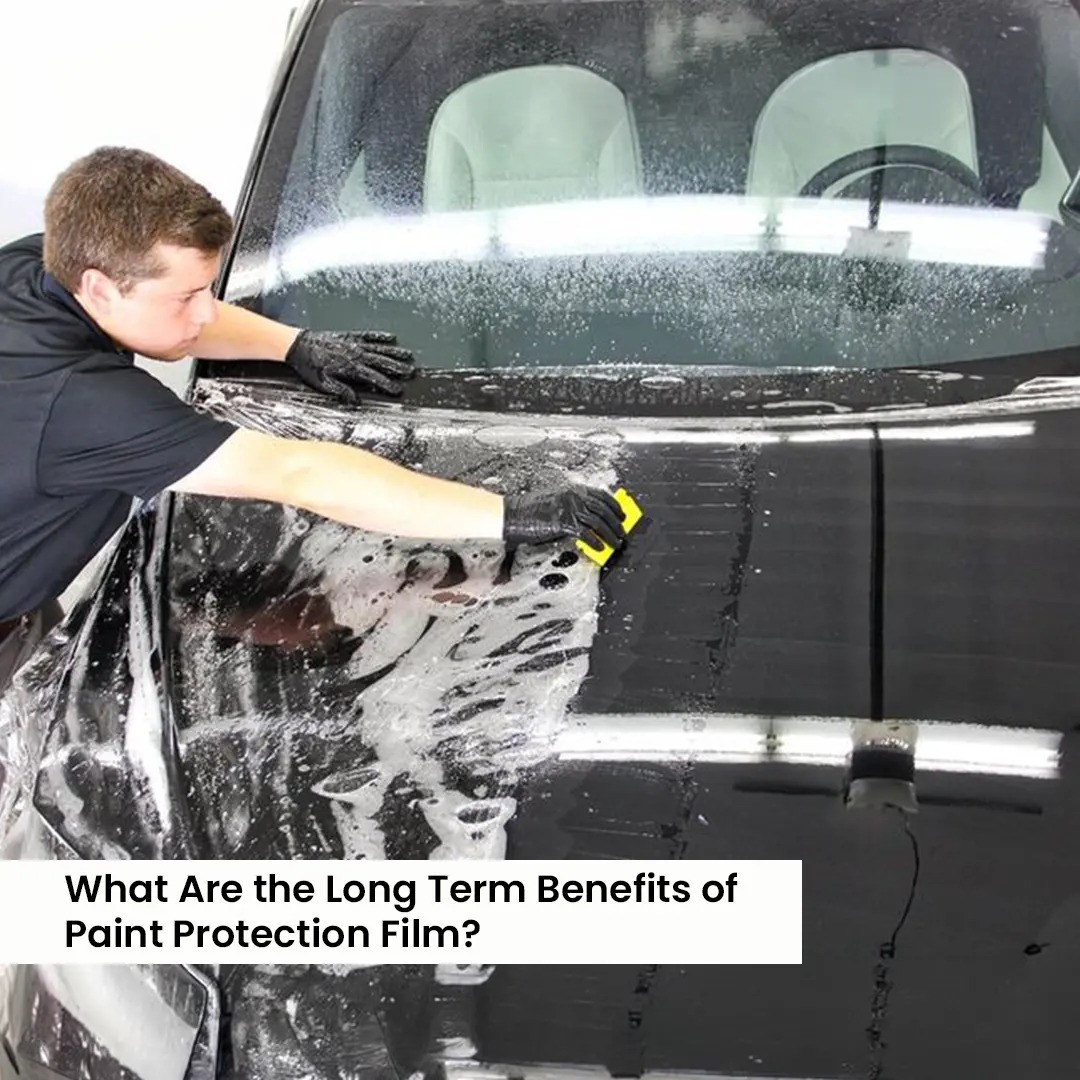
Paint Protection Film (PPF) provides long-term benefits by protecting a vehicle’s exterior from physical damage, environmental exposure, and gradual wear. It helps preserve the original paint condition over time. Services offering Paint protection Film in Kochi are increasingly used for this purpose.

What is Paint Protection Film?

Paint Protection Film is a transparent, thermoplastic urethane layer applied to a vehicle’s painted surfaces. It is designed to act as a barrier between the paint and external elements such as debris, dust, and contaminants.

The film is commonly applied to high-impact areas like the bonnet, bumper, mirrors, and door edges. It can also be applied to the entire vehicle depending on usage requirements.

Protection Against Physical Damage

One of the primary long-term benefits of PPF is protection against minor physical damage. The film absorbs the impact of small stones, road debris, and surface abrasions.

It reduces the likelihood of paint chips and scratches that typically occur during regular driving. This helps maintain the integrity of the original paint layer.

One of the primary long-term benefits of PPF is protection against minor physical damage. The film absorbs the impact of small stones, road debris, and surface abrasions.

It reduces the likelihood of paint chips and scratches that typically occur during regular driving. This helps maintain the integrity of the original paint layer.

Resistance to Environmental Factors

Vehicles are exposed to environmental elements such as UV radiation, bird droppings, tree sap, and pollution. Over time, these factors can degrade the paint surface.

PPF from Carsbuddy acts as a protective barrier, reducing direct exposure to these elements. It helps prevent fading, oxidation, and staining, which are common in outdoor conditions.

Self-Healing Properties

Many modern Paint Protection Films include self-healing properties. Minor scratches and swirl marks can disappear when exposed to heat, such as sunlight or warm water.

This feature helps maintain a smoother surface appearance over time without requiring frequent corrective treatments.

Maintaining Paint Finish Over Time

PPF helps preserve the original finish of the vehicle’s paint. Whether the finish is gloss or matte, the film maintains its visual  consistency.

By reducing surface damage and contamination, it supports long-term paint condition without frequent refinishing or repainting.

Ease of Maintenance

The surface of PPF is designed to resist dirt and water accumulation. This makes cleaning more manageable.

Dust and contaminants are less likely to adhere strongly to the surface. As a result, regular washing becomes simpler and requires less effort compared to untreated paint.

Long-Term Cost Consideration

By protecting the original paint, PPF reduces the need for repairs such as repainting or paint correction.

Over time, this can help avoid repeated maintenance procedures related to surface damage. The film itself requires periodic inspection but generally maintains its performance over an extended period.

Relevance for Local Conditions

In regions like Kochi, vehicles are exposed to humidity, rainfall, and coastal conditions. These factors can accelerate paint degradation.

The use of Paint protection Film in Kochi helps reduce the impact of such environmental conditions by providing an additional protective layer.

Conclusion

Paint Protection Film offers long-term benefits by protecting against physical damage, environmental exposure, and surface wear. It supports paint preservation, reduces maintenance requirements, and maintains surface condition over time.

It functions as a protective layer that enhances durability without altering the original paint structure.

FAQs
1, What is Paint Protection Film (PPF)?

It is a transparent layer applied on a car’s surface to protect the paint from damage.

2. Does PPF protect against scratches?

 Yes, it helps reduce minor scratches, stone chips, and surface damage.

3. Can PPF handle weather conditions in Kochi?

Yes, it protects against humidity, rain, UV rays, and environmental contaminants.

4, Is Paint Protection Film easy to maintain?

Yes, it makes cleaning easier and reduces dirt sticking to the surface.

5. Where can I get Paint protection Film in Kochi?

 You can check with professional detailing centers in Kochi that offer PPF services.

The Truth About Graphene Coating: Is It Truly Scratch-Proof?

Introduction

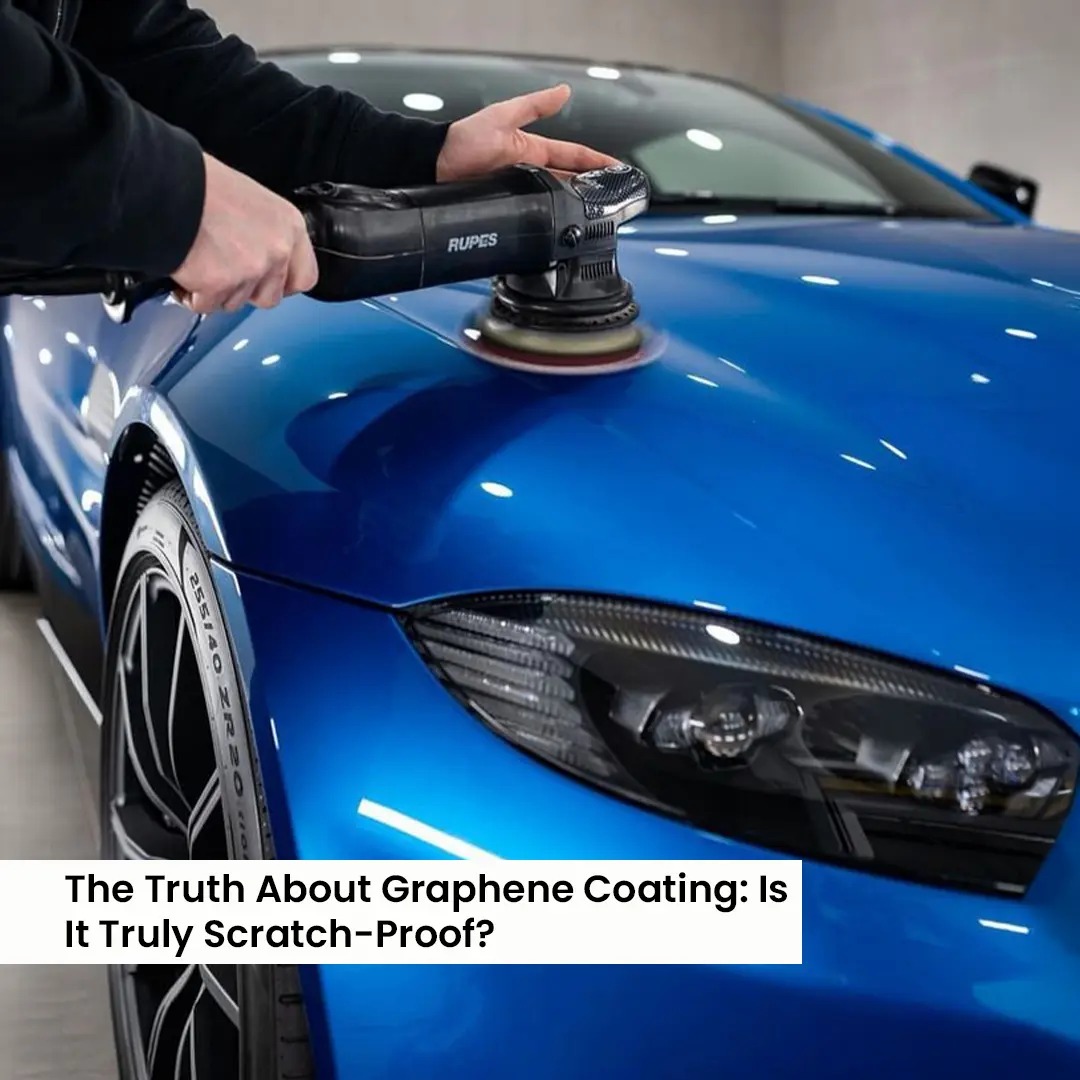
Automotive surface protection has evolved with the introduction of advanced coatings. One such solution is Graphene Coating at carsbuddy, which is often associated with durability and enhanced paint protection. However, there are common claims regarding its scratch-proof nature that require factual clarification.

What is Graphene Coating?

Graphene coating is a liquid polymer infused with graphene particles. When applied to a vehicle’s surface, it forms a thin protective layer. This layer bonds with the paint and acts as a barrier against environmental elements such as dust, UV rays, and moisture.

The coating is known for its hydrophobic properties, which help repel water and reduce surface contamination. It also contributes to maintaining the paint’s condition over time.

Understanding Scratch Resistance in Graphene Coating

Graphene is a strong material at a molecular level. When used in automotive coatings, it enhances surface durability.

Graphene coatings provide resistance against minor surface damage such as swirl marks and light scratches caused by regular washing or dust contact.

However, scratch resistance does not mean complete protection.
The coating reduces the likelihood of visible damage but does not eliminate it.

Is Graphene Coating Scratch-Proof?

The claim that graphene coating makes a car completely scratch-proof is not accurate.

No automotive coating currently available can prevent all types of scratches. Deep scratches caused by sharp objects, collisions, or external impact cannot be avoided by coatings alone.

Graphene coating functions as a protective layer that minimizes minor damage. It does not replace structural protection methods designed for impact resistance.

Key Benefits Beyond Scratch Resistance

1. Surface Protection

Graphene coating protects the paint from UV radiation, oxidation, and environmental contaminants.

2. Hydrophobic Properties

Water and dirt do not adhere easily to the surface, making cleaning more efficient.

3. Heat Resistance

Graphene helps in dissipating heat, reducing the impact of high temperatures on the vehicle’s paint.

4. Durability

Compared to basic protective methods, graphene coatings offer longer-lasting performance with proper maintenance.

Limitations of Graphene Coating

While graphene coating improves protection, it has defined limitations:

  • Does not prevent deep scratches or paint damage
  • Requires proper application and maintenance
  • Does not replace physical protective layers

Understanding these limitations helps in setting realistic expectations for vehicle protection.

Relevance for Urban Car Owners

In cities like Bangalore, environmental factors such as dust, pollution, and weather conditions affect vehicle surfaces. Services offering Graphene coating in bangalore address these conditions by providing an additional protective layer.

The coating helps reduce maintenance effort and improves resistance to daily wear caused by urban driving environments.

Conclusion

Graphene coating is designed to enhance surface protection and durability. It offers resistance to minor scratches and environmental damage. However, it is not a scratch-proof solution.

The coating should be understood as a preventive layer that reduces damage rather than eliminating it. Proper application and maintenance are essential for achieving consistent performance.

FAQ’s

1. Is graphene coating completely scratch-proof?

 No, graphene coating is not scratch-proof. It only helps reduce minor scratches and swirl marks.

2. What does graphene coating protect against?

 It protects against UV rays, dust, water spots, and environmental contaminants.

3. How does graphene coating help in daily use?

It makes cleaning easier and reduces minor surface damage from regular use.

4. Is graphene coating suitable for Bangalore conditions?

Yes, it helps protect cars from dust, pollution, and weather conditions in Bangalore.

5. Where can I get Graphene Coating at carsbuddy?

 You can visit carsbuddy to learn more about graphene coating services and availability.