
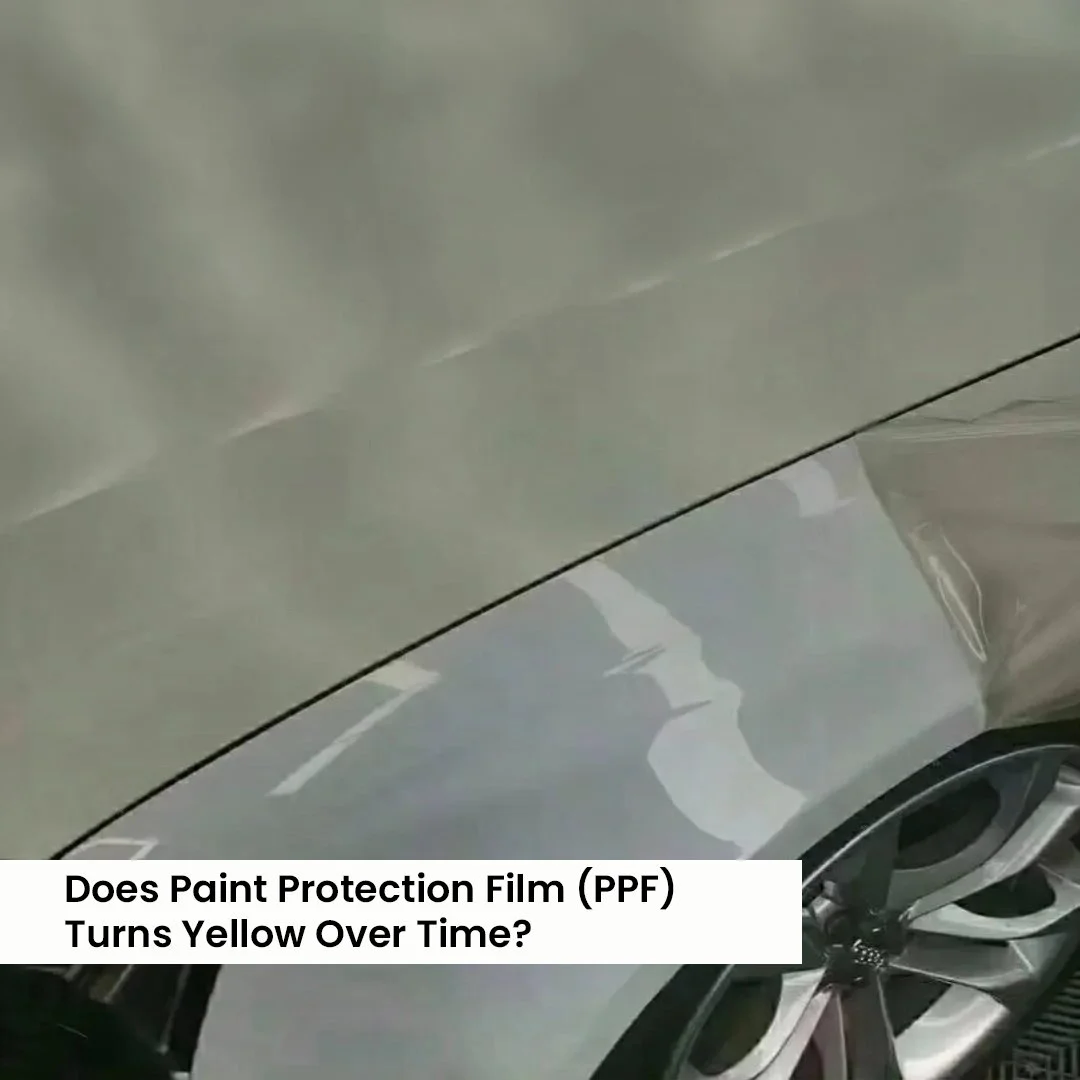
Does Paint Protection Film (PPF) Turn Yellow Over Time?
Introduction
Yes, paint protection film can turn yellow over time in certain conditions. Earlier generations of PPF materials were more prone to discoloration due to ultraviolet exposure, oxidation, and environmental contaminants. Modern films are designed with improved materials and UV inhibitors to reduce this effect. Automotive detailing services that install paint protection film in Kochi generally use updated film technologies that aim to maintain optical clarity for longer periods.
What Is Paint Protection Film
Paint protection film (PPF) is a transparent thermoplastic urethane film applied to the painted surfaces of vehicles. The film creates a protective layer that helps shield the paint from road debris, minor abrasions, and environmental exposure.
PPF is commonly installed on areas such as the hood, bumper, fenders, side mirrors, and door edges. The film is designed to remain nearly invisible while protecting the original paint surface underneath.
Automotive detailing centers that provide paint protection film in Kochi install the film using controlled application methods to ensure proper adhesion and coverage.
Why Yellowing Can Occur
Yellowing in PPF can occur due to several factors. One of the primary causes is prolonged exposure to ultraviolet radiation. Sunlight can gradually affect certain polymer materials, leading to discoloration.
Environmental pollutants may also contribute to color changes over time. Road tar, industrial particles, and chemical contaminants can accumulate on the surface of the film. If these substances are not removed during routine cleaning, they may affect the appearance of the film.
Oxidation is another possible factor. Over time, exposure to air and heat can slowly change the chemical structure of certain materials, which may cause visible yellowing.
Improvements in Modern PPF Materials
Modern paint protection film products are designed with enhanced resistance to UV exposure. Manufacturers often incorporate UV stabilizers and advanced topcoat layers into the film structure.
These improvements help reduce the likelihood of discoloration and support long-term clarity. Many modern films are also designed with self-healing surface layers that help minimize the appearance of minor scratches.
Professional installation services at Carsbuddy that offer paint protection film in Kochi typically work with films designed to maintain transparency under normal environmental conditions.
Maintenance and Environmental Factors
Regular maintenance can help maintain the appearance of PPF. Routine washing removes contaminants that may accumulate on the film surface. Cleaning the vehicle using appropriate washing methods helps prevent residue buildup.
Parking conditions may also influence long-term film appearance. Vehicles frequently exposed to intense sunlight or industrial pollutants may experience faster environmental wear.
Conclusion
Paint protection film can develop yellowing over time, particularly in older film materials exposed to sunlight and environmental contaminants. Modern PPF products include improved UV resistance and protective layers designed to maintain clarity. Installation services providing paint protection film in Kochi apply these materials to protect vehicle paint while maintaining surface transparency under normal usage conditions.