Why is Autumn so hard on car paint? 5 common Fall problems and how to protect your vehicle.

Autumn can be tough on car paint because the season brings more organic fallout, moisture, and surface contamination. Falling leaves, tree sap, bird droppings, and pollen settle on the vehicle more frequently. Cooler nights can also increase dew formation, which keeps the surface damp for longer. When these elements stay on paint, they can cause staining, dullness, and surface marks.

If you are exploring Ceramic Coating in Kochi, understanding these seasonal paint risks helps you plan better protection and maintenance.

What Makes Fall Paint Damage Different?


Autumn contamination is mostly “natural” but highly reactive. Many fall-related materials are acidic or sticky. When combined with moisture and sunlight, they can bond to the clear coat. This affects paint shine and may require polishing or correction if neglected.

Unlike dust that can be rinsed off, autumn fallout often needs safer cleaning methods to prevent scratches.

5 Common Autumn Problems That Affect Car Paint

1) Leaf stains and tannin marks

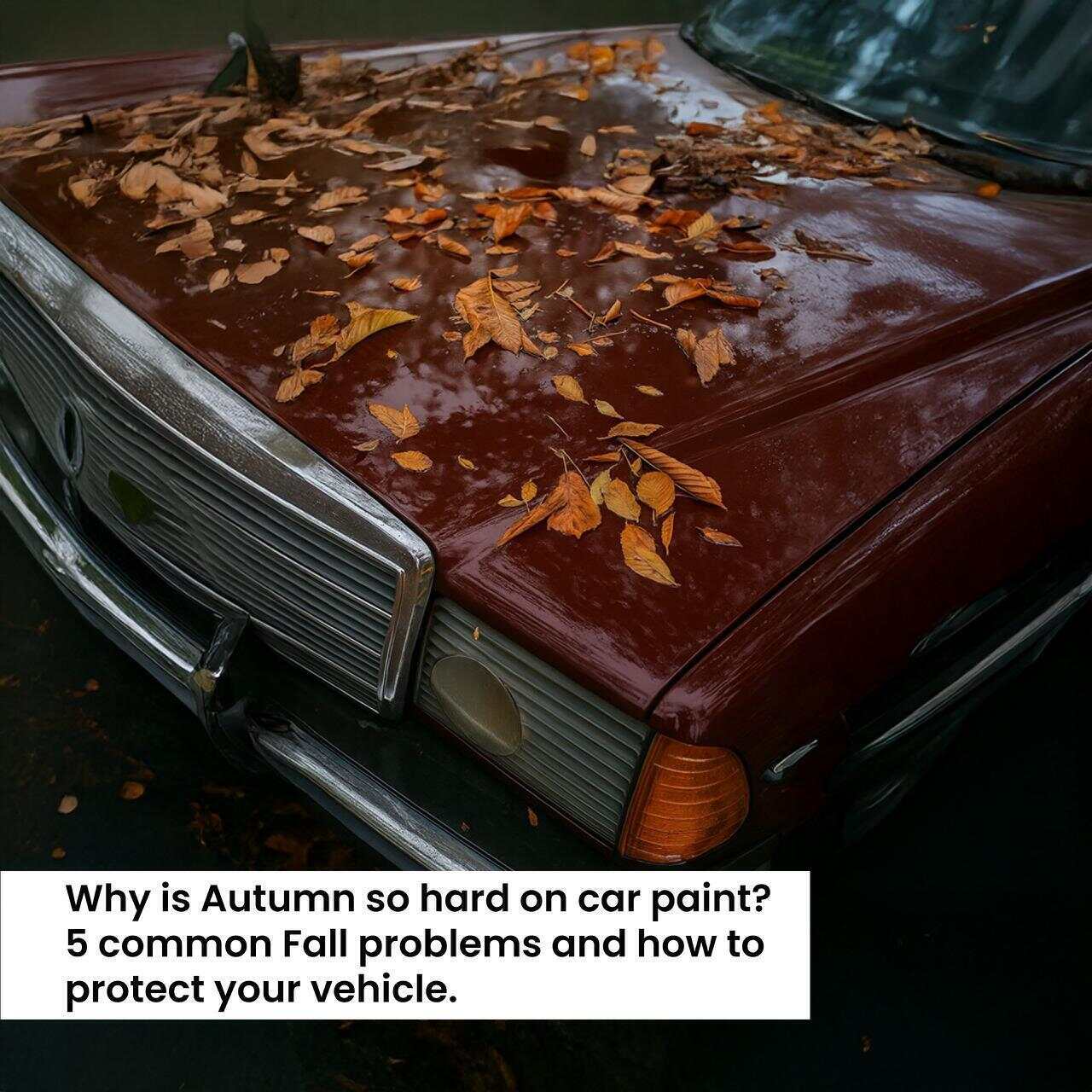
Fallen leaves may look harmless, but they release tannins and organic acids. When wet leaves sit on a car, they can leave dark stains or patch marks on clear coats. These stains can become visible within a short time, especially after rain or overnight dew.

What to do:

• Remove leaves daily, especially from the bonnet and roof
• Avoid wiping dry leaves with pressure (it can scratch)
• Use clean water and microfiber cloths for safe removal

2) Tree sap and sticky residue

Autumn often increases tree sap because many trees shed material and secretions during seasonal changes. Sap bonds strongly to paint and attracts dirt. If left for long, it can harden and become difficult to remove without proper products.

What to do:

• Use a dedicated sap remover or safe detailing solution
• Do not scrape sap with sharp tools
• Wash the panel after sap removal

3) Bird droppings and insect fallout

Even during cooler months, bird droppings remain a serious paint risk. They are acidic and can etch a clear coat. Insects may reduce in number, but residue still collects on bumpers and mirrors, especially during daytime drives.

What to do:

• Remove bird droppings as soon as possible
• Use a wet microfiber and gentle lift method
• Follow with a quick wash or wipe using clean lubricant solution

4) Road grime and tar spots

During fall and early winter, roads often carry more grime. Mud splashes, tar deposits, and oily film tend to build up near the lower doors and rear bumper areas. These deposits reduce gloss and can cause paint roughness.

What to do:

• Wash the vehicle regularly, especially wheel arches and lower panels
• Use tar remover when needed
• Apply protection to reduce bonding of road contaminants

5) Water spotting from dew and light rain

Autumn brings more frequent dew formation. When dew dries on paint, it can leave mineral residue and water spots. Light rains can also increase spotting if the water contains minerals and the car dries under sunlight.

What to do:

• Dry the car after rain instead of letting it air-dry
• Use a clean microfiber drying towel
• Avoid washing under direct sunlight

The How to Protect Your Car Paint in Autumn

Goal is to reduce contamination bonding and make cleaning easier.

Key practical steps include:
• Regular washes (once a week if parked outdoors)
• Use pH-neutral car shampoo
• Avoid dry dusting
• Park away from trees when possible
• Use a car cover only on a clean car (never on a dusty surface)

For long-term protection, surface coatings help reduce staining and improve ease of maintenance.

Why Ceramic Coating Helps During Fall

Ceramic coating forms a protective layer on top of the clear coat. It improves hydrophobic behaviour, meaning water beads and rolls off faster. This helps reduce water spotting and makes dirt less likely to stick.

Ceramic coating also offers:
• improved gloss retention
• easier cleaning
• resistance against minor chemical staining from organic fallout

If you are considering Ceramic Coating in Kochi, it is helpful for vehicles parked outdoors, driven daily, or used on coastal roads where moisture and contamination are common.

Final Note

Autumn paint damage mostly comes from natural contamination that remains on the car for too long. Leaf stains, sap, bird droppings, road grime, and dew spotting are among the most common problems. With consistent washing habits and the right paint protection, these issues can be reduced and managed effectively.


FAQ

1. Can wet leaves really damage my car’s paint?

Yes. Wet leaves release natural acids and can leave stains if they sit on the paint for long.

2. How often should I wash my car in the Fall?

Ideally once a week, or more often if your car is parked under trees.

3.Does road salt start damaging cars before winter?

In some places, yes. If salt is used early, it can start causing rust and underbody damage.

4. Why do my windows fog up more during the Autumn?

Because the air is more humid and cooler, so moisture condenses on the glass.

5. Is it better to get PPF or Ceramic Coating for the Fall?

PPF protects better from scratches and stone chips. Ceramic coating helps more with cleaning, water beading, and stains.

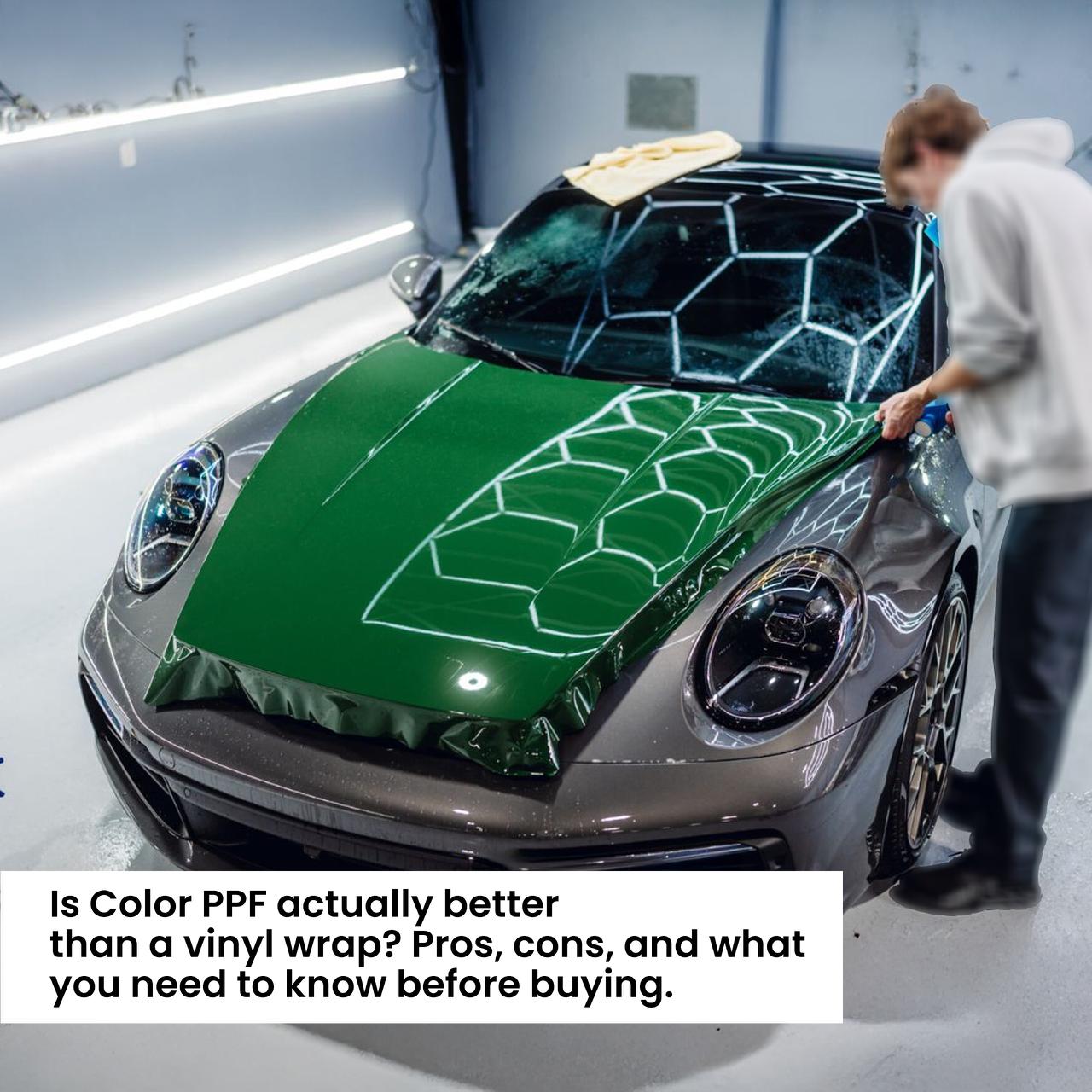
Is Color PPF actually better than a vinyl wrap?

Is Colour PPF actually better than a vinyl wrap?

In many real-world cases, yes, Colour PPF can be better than a vinyl wrap,
especially if your priority is protection. Colour PPF (paint protection film) is made to shield the paint from stone chips, light scratches, minor abrasions, and UV exposure, while also changing the vehicle’s look. A vinyl wrap is mainly meant for styling and visual change, not long-term protection. Formatted: Centered If you are considering Paint Protection Film in Bangalore, this blog explains the key differences, pros, cons, and what to check before you choose.

What is Colour PPF?

Colour PPF is a thick, protective film applied over your car’s painted panels. Unlike clear PPF, it comes in colours and finishes such as gloss, matte, satin, and metallic looks.

Its main purpose is protection, with the bonus of colour transformation.

What is a Vinyl Wrap?

A vinyl wrap is a thin film applied to the exterior panels to change the appearance of the car. It is widely used for colour changes, graphics, branding, and custom looks.

Its main purpose is styling, not paint protection.

Colour PPF vs Vinyl Wrap: The Core Difference

The biggest difference is film thickness and durability.

Colour PPF: thicker, stronger, more impact-resistant

• Vinyl wrap: thinner, more design-focused, easier to remove and replace

This thickness difference is why Colour PPF usually handles scratches and road debris better.

Pros of Colour PPF
1) Better paint protection

Colour PPF helps protect the paint from:
• stone chips
• swirl marks from cleaning
• light scratches
• road grime and minor abrasions

2) Longer life in daily conditions

If installed well and maintained, Colour PPF can usually last longer than many vinyl wraps.

3) Easier surface maintenance

Many Colour PPFs have a topcoat that resists staining and makes cleaning easier.

4) Premium finish options

Colour PPF gives a paint-like look, which can feel more “OEM” than a wrap finish.

Cons of Colour PPF
1) Higher cost

Colour PPF generally costs more than vinyl. It is also more expensive to repair panel wise.

2) Limited design flexibility

If you want complex designs, patterns, or printed graphics, vinyl gives more freedom.

3) Installation quality matters a lot

Because Colour PPF is thicker, poor installation can show visible edges, cuts, or stretch marks.

Pros of Vinyl Wrap
1) More design options

Vinyl offers:
• more colours
• textures (carbon, brushed metal, chrome-style finishes)
• printed designs and branding

2) Lower entry cost

Vinyl is usually more affordable for full body styling.

3) Faster style change

For people who like updating the look often, vinyl makes more practical sense.

Cons of Vinyl Wrap
1) Lower protection

Vinyl is not designed to take impact the way Colour PPF does. It can tear or mark more easily.

2) Wear in high-touch areas

Door handles, bumpers, and edges can peel sooner if the wrap is not installed carefully.

3) Heat and sun exposure

In hot climates, wrap life depends heavily on the quality of vinyl and aftercare.

Which one should you buy?

Here is a simple way to decide:

Choose Colour PPF if:

• you want paint protection + styling
• your car sees daily city and highway driving
• you want a premium finish
• you plan to keep the same look for longer

Choose Vinyl wrap if:

• you mainly want a style change
• you want unique graphics or custom designs
• you prefer lower cost and quicker replacement

What to check before buying (important)

Before spending money on either option, check these points:

1. Film warranty (written, not verbal)
2. Installer experience (ask for real car photos, not catalogue images)
3. Edge finishing quality
4. Panel coverage (full panels vs partial)
5. Surface prep process (wash, decontamination, polishing if needed)
6. Care instructions (washing, drying, ceramic top-up if applicable)

Final takeaway

Colour PPF is usually the better choice if you want real protection along with a colour change. Vinyl wrap remains a strong option for creative styling and budget-friendly transformations. The best result in both cases depends more on film quality and installation skill than on marketing claims.

If you are searching for Paint Protection Film in Bangalore, prioritise a
professional installer like Carsbuddy who offers proper warranty, clean finishing, and clear aftercare guidance.

FAQ

1.Why is Color PPF so much more expensive than a regular wrap?

Because Color PPF is thicker, stronger, and made for paint protection, not just looks. The material and installation cost more.

2. Is Color PPF harder to maintain than a normal car?

No. It is usually easier to clean, but you should still wash it gently and avoid harsh chemicals.

3. Can Color PPF be removed later without damaging my paint?

Yes, if it is removed properly by professionals, it should not damage original paint.

4. Does Color PPF have the "orange peel" look of vinyl?

Less than vinyl in most cases, but some films can still show slight texture depending on the brand and installation.

5. Can I ceramic coat my Color PPF?

Yes. Ceramic coating can be applied on top to improve gloss, water repellence, and ease of cleaning.

Is PPF or Ceramic Coating Better for Highway Driving?

For highway driving, Paint Protection Film (PPF) is the more suitable option compared to ceramic coating. Highways expose cars to stone chips, gravel, debris, insects, and constant high-speed impact. PPF provides physical protection against these conditions, while ceramic coating mainly protects the paint surface from environmental and chemical damage.

Understanding how each solution works helps clarify why one performs better on highways.

What Highway Driving Does to Your Car’s Paint

Highway driving is harsher on paint than city use. At higher speeds, even small stones can chip paint. Frequent overtaking exposes the front bumper, bonnet, mirrors, and fenders to debris thrown up by other vehicles.

Insects, tar, and road grime also accumulate faster on highways. Over time, these factors can dull paint, cause permanent marks, and reduce resale value.

Paint protection is less about appearance here and more about impact resistance.

How Ceramic Coating Performs on Highways

Ceramic coating is a liquid polymer that bonds chemically with the paint surface. It improves gloss, resists UV damage, and reduces chemical staining from bird droppings or bugs.

On highways, ceramic coating makes cleaning easier. Bugs and grime do not stick as aggressively, and regular washing becomes simpler.

However, ceramic coating does not absorb impact. It cannot prevent stone chips, scratches from debris, or abrasion caused by high-speed contact. Once the paint is chipped, the coating offers no further protection in that area.

For highway use, ceramic coating functions as surface protection, not damage prevention.

How PPF Performs on Highways

PPF is a thick, transparent polyurethane film applied over painted panels. It acts as a physical barrier between the paint and external impact.

On highways, PPF absorbs the force of stones and debris before they reach the paint. This significantly reduces paint chipping and surface damage. Many modern PPFs also feature self-healing properties, allowing minor swirl marks to disappear with heat exposure.

High-impact areas like the front bumper, bonnet, ORVMs, headlights, and door edges benefit the most from PPF. This makes it especially relevant for frequent highway drivers.

Professionally installed Paint Protection Film in Bangalore by Carsbuddy is commonly recommended for cars that see regular highway usage due to mixed road conditions and traffic density.

PPF vs Ceramic Coating: Highway-Specific Comparison

Impact Protection

PPF offers strong resistance to stone chips and debris.
Ceramic coating offers none.

Ease of Cleaning

Ceramic coating excels at reducing dirt adhesion.
PPF also allows easy cleaning but focuses on protection first.

Durability Under Speed

PPF maintains protection under high-speed impact.
Ceramic coating remains intact but cannot stop damage.

Cost Factor

PPF is more expensive due to material and installation.
Ceramic coating is more affordable but limited in protection scope.

Is a Combination Useful for Highway Drivers?

Many highway drivers choose a combined approach. PPF is applied to high-impact zones, while ceramic coating is applied over the remaining panels and sometimes over the film itself.

This approach balances protection and maintenance, especially for owners who drive long distances regularly.

Long-Term Ownership Considerations

For owners who plan to keep their car for several years and frequently drive on highways, preventing paint damage early reduces long-term repair and repainting costs.

PPF helps maintain original paint condition, which is a key factor during resale or trade in. Ceramic coating supports easier maintenance but does not preserve paint against physical damage.

Final Answer

For highway driving, PPF is the better choice. It protects against real-world damage caused by speed, debris, and impact. Ceramic coating supports appearance and cleaning but does not address the primary risks of highway use.

The right choice depends on how and where the car is driven.
On highways, protection against impact matters most, and that is where PPF performs its role effectively.

FAQ

1. I only drive on the highway occasionally. Do I need a full wrap?

No. Carsbuddy usually recommends partial PPF on high-impact areas like the bumper and bonnet for occasional highway driving.

2. Does PPF really “heal” itself after being hit by road debris?

PPF can self-heal light swirl marks and surface scratches. Carsbuddy clarifies that deep impact damage will still show.

3. Can ceramic coating stop a rock chip at highway speeds?

No. Ceramic coating cannot prevent rock chips. Carsbuddy recommends PPF for physical impact protection.

4. Will the edges of my PPF peel off from high-speed wind on the highway?

No, if installed correctly. Carsbuddy uses proper edge wrapping and curing to prevent lifting at highway speeds.

5. Can highway engine heat damage my paint protection?

No. Quality PPF and ceramic coatings are heat-resistant. Carsbuddy installs products rated for normal highway engine temperatures.

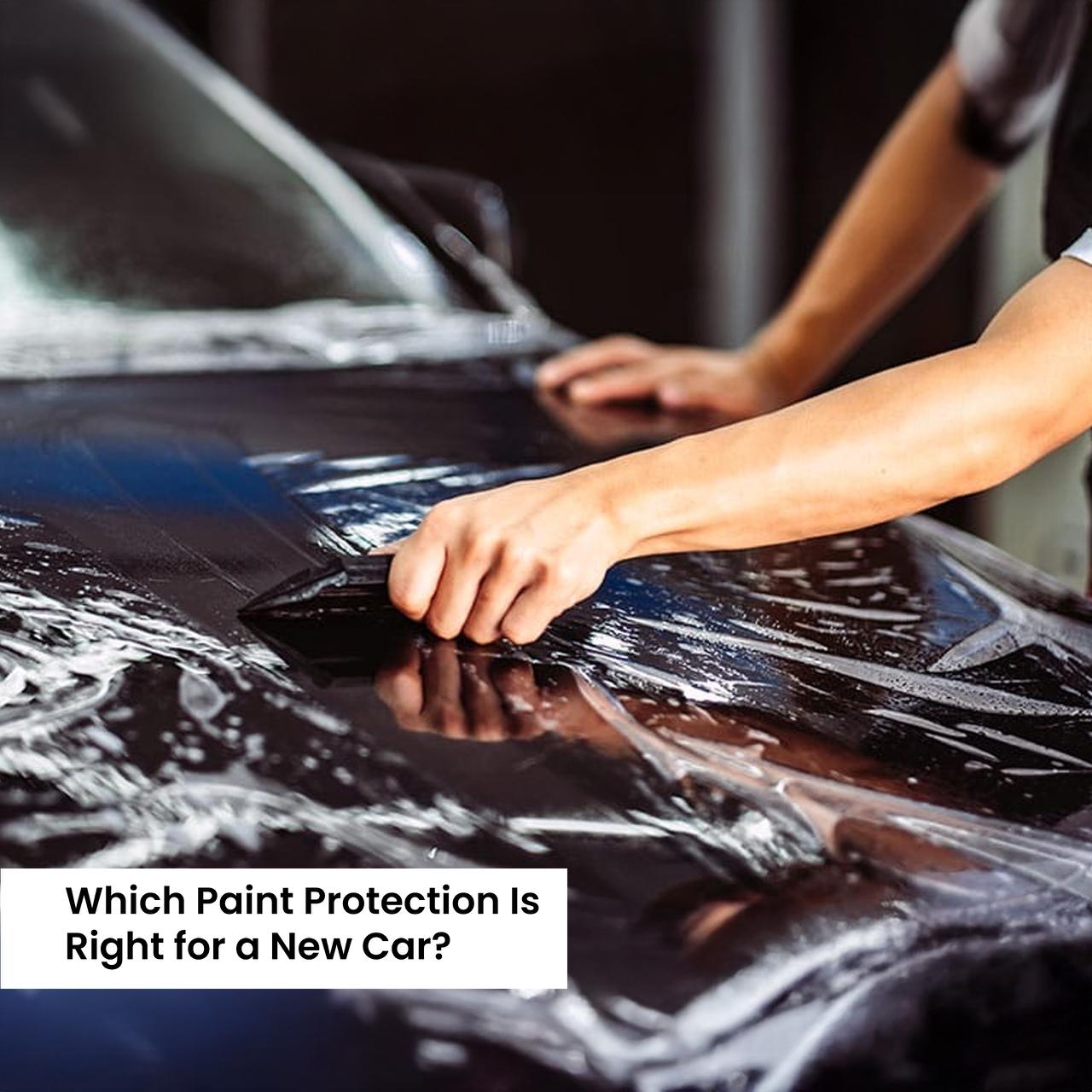
Which Paint Protection is Right for a New Car?

Choosing the right paint protection for a new car depends on how the car will be used, where it will be driven, and what kind of protection is expected. Ceramic Coating and Paint Protection Film (PPF) serve different purposes. Neither is universally better; each suits a specific need. Understanding this difference helps owners make an informed choice from day one.

Understanding Why Paint Protection Matters

A new car’s paint is constantly exposed to sunlight, dust, pollution, road debris, bird droppings, and minor abrasions. Over time, these factors affect gloss, color depth, and surface condition. Paint protection is not cosmetic alone—it is preventive maintenance.

What Is Ceramic Coating?

Ceramic coating is a liquid polymer applied to a car’s exterior. Once cured, it forms a chemical bond with the paint surface.

Its primary function is surface protection. Ceramic coatings offer resistance to UV rays, oxidation, light chemical stains, and  environmental contaminants. They also improve gloss and make cleaning easier due to their hydrophobic nature.

However, ceramic coating does not protect against stone chips, scratches, or physical impact. It preserves the paint’s appearance but does not act as a physical barrier.

What Is Paint Protection Film (PPF)?

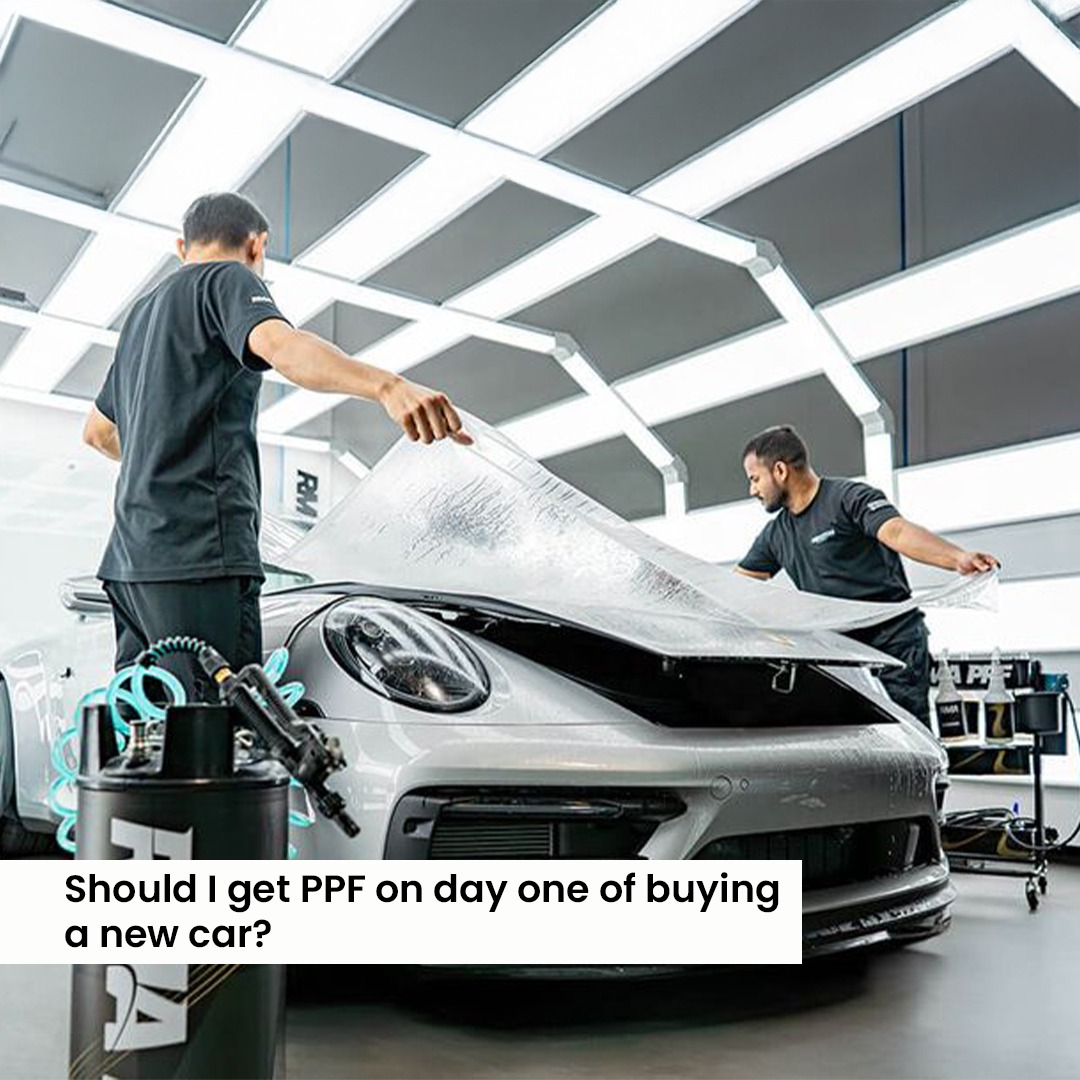
PPF is a transparent polyurethane film installed over painted surfaces. It acts as a physical shield.

PPF protects against stone chips, minor scratches, swirl marks, and abrasion from road debris. Many modern PPFs are self-healing, meaning light scratches disappear with heat exposure.

Unlike ceramic coating, PPF is thicker and impact resistant. It is commonly applied to high-impact areas such as bumpers, bonnets, mirrors, and door edges or across the entire car.

Ceramic Coating vs PPF: Key Differences

Protection Type
Ceramic coating provides chemical and UV protection.
PPF provides physical impact protection.

Thickness
Ceramic coating is microscopic. PPF is visibly thicker and tactile.

Durability
Ceramic coatings typically last 1–5 years depending on product and maintenance. PPF can last 5–10 years with proper care.

Maintenance
Ceramic-coated cars are easier to wash. PPF-protected cars still require washing but offer better damage resistance.

Which One Is Right for a New Car?

The answer depends on usage.

If the car is driven mostly in the city, parked indoors, and the owner prioritizes ease of maintenance and gloss, ceramic coating is a practical choice.

If the car sees highway driving, long trips, construction zones, or tight parking spaces, PPF offers meaningful protection against physical damage.

Many new car owners choose a combination: PPF on high-impact areas and cerami coating over the rest of the vehicle, including the film itself.

Climate and City Driving Conditions Matter

In cities with high traffic density, dust, and mixed road conditions, paint damage risk increases. Consulting a professional Car detailing Studio in Bangalore like Carsbuddy can help evaluate real-world conditions such as heat exposure, pollution levels, and daily driving patterns before choosing a solution.

Cost Considerations

Ceramic coating is generally more affordable and faster to apply. PPF is more expensive due to material cost, installation skill, and time involved.

The decision should factor in ownership duration and long-term maintenance plans, not just upfront cost.

Making an Informed Choice

Paint protection is not about trends. It is about matching protection type to driving behavior, environment, and expectations. Ceramic coating preserves appearance. PPF prevents damage. Both are established solutions when applied correctly.

For a new car, the right choice is the one that aligns with how the car will actually be used, not just how it looks on delivery day.


FAQ

1. How long does paint protection typically last?

Ceramic coatings usually last 1–5 years, while PPF can last 5–10 years. Carsbuddy advises choosing based on driving conditions and usage.

2. Does ceramic coating prevent rock chips?

No. Ceramic coating does not protect against rock chips. Carsbuddy recommends PPF for impact protection.

3. Should I get PPF for a new car?

If you drive frequently on highways or in traffic-heavy areas, Carsbuddy suggests PPF to protect vulnerable paint surfaces early.

4. Will aftermarket paint protection void car warranty?

No. When installed correctly, paint protection does not void the car’s warranty. Carsbuddy follows manufacturer-safe installation practices.

5. Can PPF fix scratches that are already on my car?

PPF does not fix existing scratches. Carsbuddy recommends paint correction before PPF installation for best results.

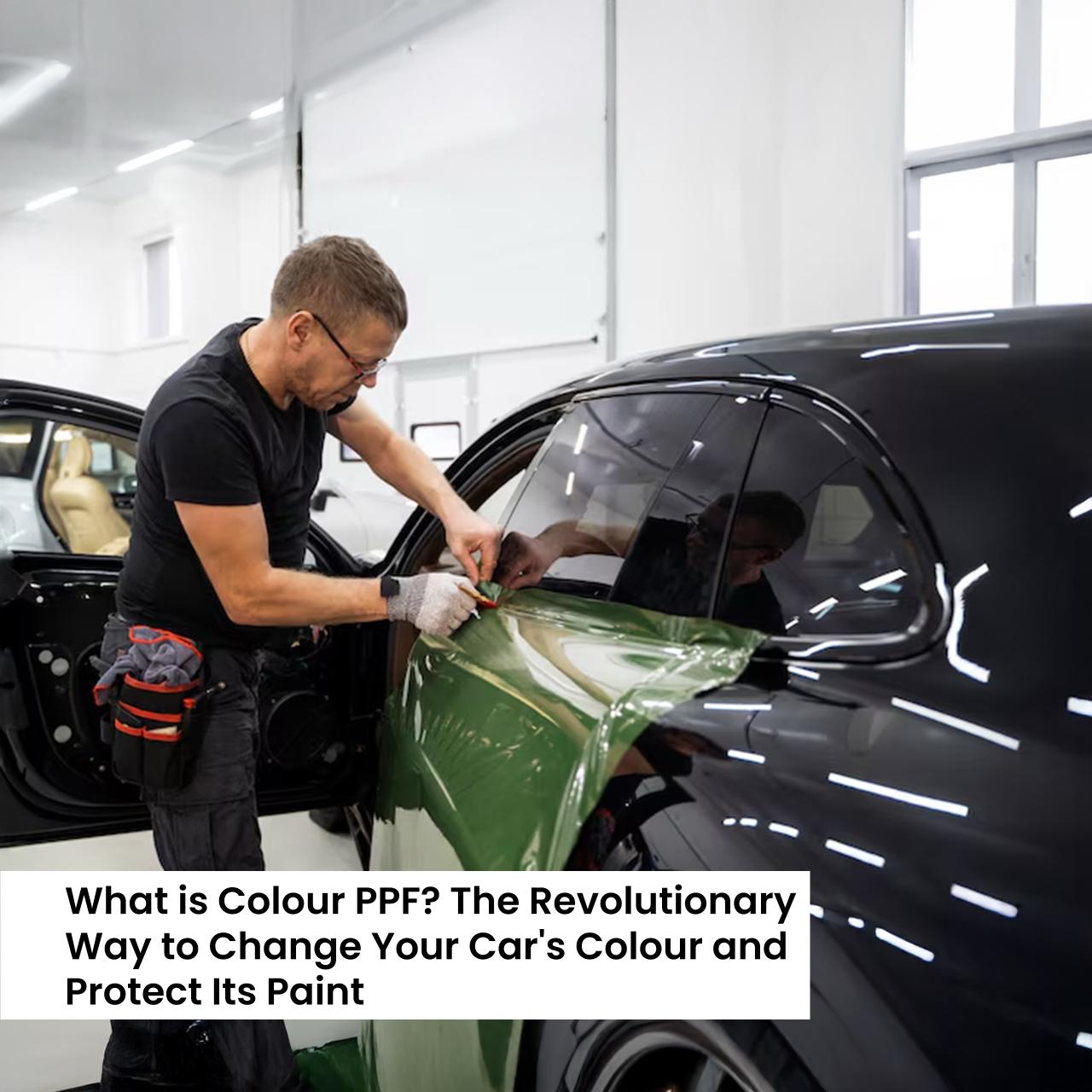
What is Colour PPF? The Revolutionary Way to Change Your Car’s Colour and Protect Its Paint

Colour PPF, or coloured Paint Protection Film, is a thin, durable vinyl wrap applied to a car’s exterior. It changes the vehicle’s colour while shielding the original paint from scratches, chips, and UV damage. Unlike traditional wraps, Colour PPF combines aesthetic transformation with long-lasting protection, lasting up to 10 years with proper care. Developed from thermoplastic polyurethane (TPU), it self-heals minor scratches using heat. For Bangalore drivers facing dusty roads and monsoons, this innovation offers a practical upgrade. At Carsbuddy Detailing Studio, we specialize in seamless applications that enhance both style and safety.

How Colour PPF Differs from Standard Wraps

Standard vinyl wraps focus mainly on colour change but lack robust protection. Colour PPF integrates a clear topcoat with pigmented layers, reaching 8-12 mils in thickness for impact resistance. This multi-layer design absorbs road debris without bubbling or peeling.

Manufacturers like 3M and XPEL produce certified films meeting ISO standards for clarity and adhesion. The result is a factory-like finish that won’t yellow or fade, even under intense sunlight. In urban settings, it prevents oxidation, preserving resale value by up to 15%.

Key Benefits for Everyday Drivers

Colour PPF provides dual functionality. It alters your car’s hue—matte black to glossy red—without repainting, saving 50-70% on costs compared to body shops. The protective barrier repels contaminants, making cleaning easier with just a pH-neutral wash.

UV blockers in the film reduce interior fading and skin exposure risks. Hydrophobic properties cause water to bead off, minimizing water spots in rainy seasons. Studies from the Paint Protection Film Institute show coated vehicles endure 40% more abrasion than untreated ones.

For families, the added security against minor collisions offers peace of mind. It’s removable too, leaving no residue if you decide to revert.

The Installation Process at Carsbuddy

Professional application ensures flawless results. At Carsbuddy, we start with athorough paint correction to remove imperfections. The film is precision-cut using computer software for perfect fit, then heat-molded around curves and edges.

Installation takes 2-4 days in a dust-free environment, using squeegees for bubble-free adhesion. We cure edges with infrared lamps for durability. Post-application, a warranty covers defects, with maintenance advice included.

In Bangalore’s humid climate, this process prevents lifting, ensuring longevity.

Why Opt for Paint Protection Film in Bangalore

Bangalore’s traffic and pollution accelerate paint wear. Paint Protection Film in Bangalore like Colour PPF counters these challenges effectively. Local regulations allow full coverage, and certified studios ensure compliance.

It’s eco-friendly, as it extends paint life, reducing waste. For luxury cars, it maintains warranty validity without voiding manufacturer terms.

Elevate Your Ride with Carsbuddy

Colour PPF revolutionizes car care by merging style and substance. It’s not just a wrap— it’s an investment in protection and personalization. For expert guidance, visit Carsbuddy Detailing Studio. Our team tailors solutions to your vehicle, from sedans to SUVs. Schedule a consultation today and transform your drive.


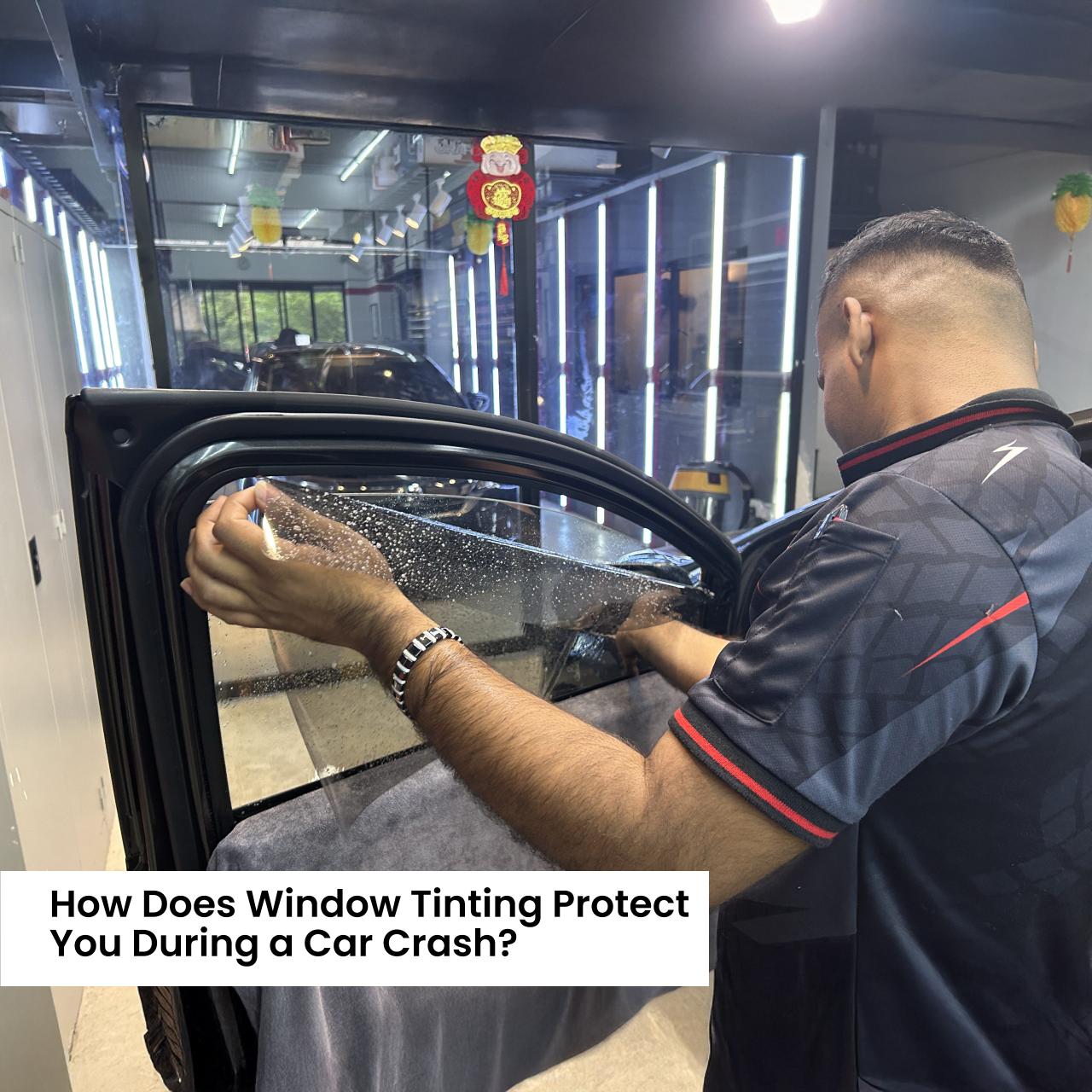
How Does Window Tinting Protect You During a Car Crash?

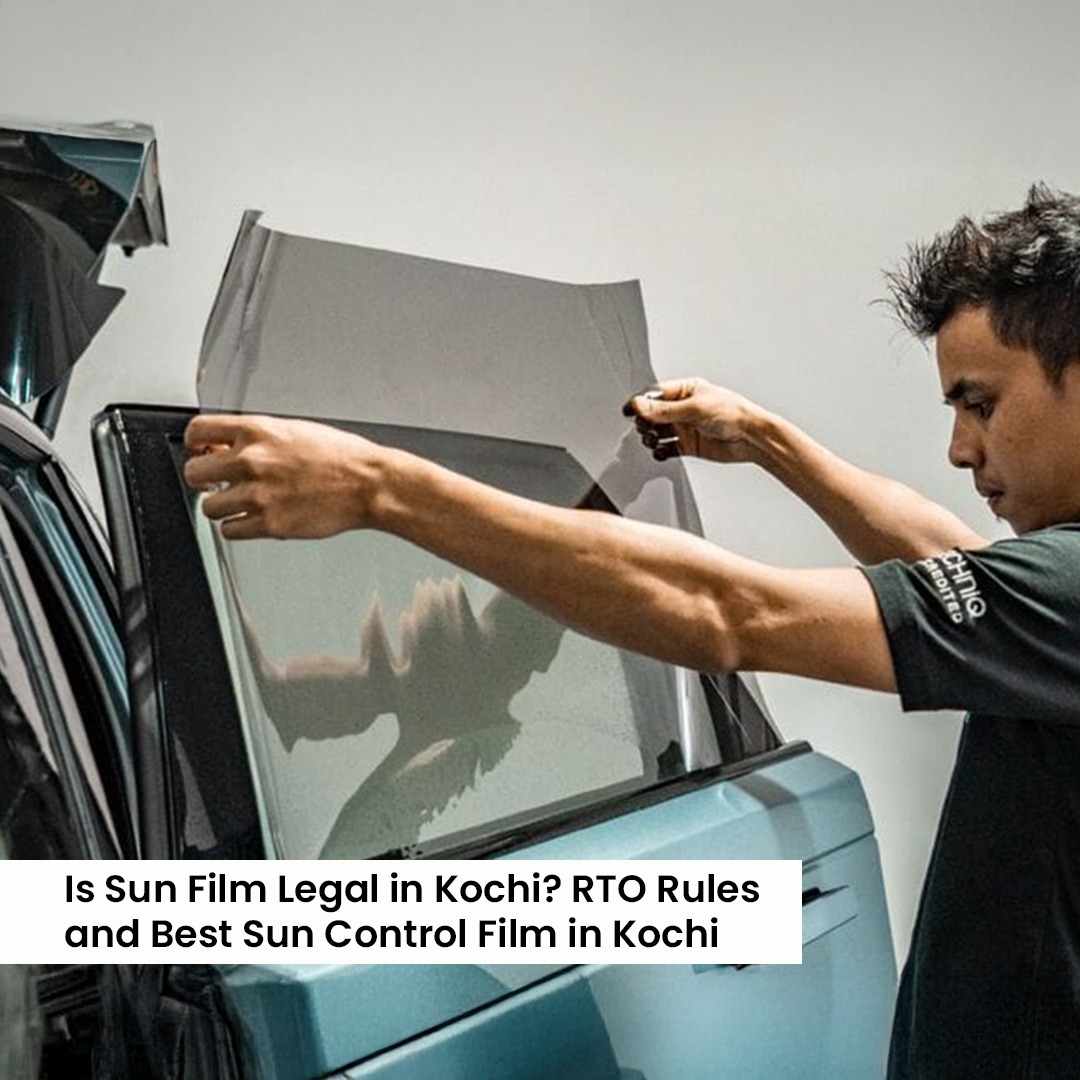
Window tinting protects you during a car crash by holding shattered glass together, reducing the risk of flying shards that cause injuries. This film strengthens the window, preventing complete fragmentation on impact. In high-speed collisions, untreated glass breaks into dangerous pieces, but tint acts as a barrier, keeping debris contained. For Kochi drivers facing rainy roads and traffic, this added safety layer proves essential. At Carsbuddy, a leading Car detailing Studio in Kochi, we apply professional tints to enhance vehicle security.

The Science Behind Tinted Glass Integrity

Automotive glass shatters into sharp fragments without reinforcement. Window tint, a thin polyester film bonded to the interior, uses adhesive layers to maintain structural unity. During a crash, the impact force cracks the glass, but the film prevents it from scattering, similar to how laminated windshields work.

Tests show tinted windows reduce laceration risks by up to 70% in side impacts. This containment minimizes cuts to occupants and rescuers. In India, where monsoons increase slick conditions, such protection lowers secondary injuries from debris.

Reduced Glare for Safer Driving

Tinted windows cut glare from oncoming headlights or sun, improving visibility and reaction times. Studies indicate vehicles with professional tints experience 5-10% fewer accidents due to better focus. During a crash, this prior alertness can mean faster braking or swerving, potentially lessening severity.

Legal limits in Kerala allow 70% light transmission on front sides, balancing safety with visibility. Darker rear tints provide privacy  without compromising driver sightlines.

Protection from Flying Debris and Ejection

In rollovers or side collisions, untinted glass ejects easily, exposing passengers to external hazards. Tinting reinforces the pane, deterring ejection and shielding against road gravel or other vehicles’ fragments.

This feature aligns with global standards from the National Highway Traffic Safety Administration, which endorses films for shatter resistance. For families in Kochi, it adds peace of mind on NH routes.

Long-Term Benefits Beyond Crashes

While crash protection stands out, tinting blocks 99% of UV rays, preventing interior fading and skin damage. It also cools cabins by rejecting heat, reducing AC strain and fuel use.

Professional installation ensures even adhesion, avoiding bubbles that weaken bonds. At Carsbuddy, we use high-quality films meeting Indian regulations, with warranties up to five years.

Choose Quality Tinting for Maximum Safety

Not all tints deliver equal protection—cheaper films peel or yellow over time. Opt for certified options from trusted studios to ensure crash-ready performance.

In Kochi’s humid climate, regular checks maintain effectiveness. Schedule an inspection to verify your setup.

Window tinting turns a simple upgrade into a vital safeguard. It holds glass intact, cuts glare, and blocks debris, directly lowering crash risks. For expert application, visit Carsbuddy. Our team tailors solutions to your vehicle, combining safety with style. Book your session today and drive protected.

What is the Best Anti-Fog Solution for Car Windshields?

Foggy windshields reduce visibility and pose safety risks, especially in humid or cold weather. The best anti-fog solution combines cleaning and a hydrophobic treatment, like Rain-X Anti-Fog spray, which creates a water-repellent barrier on the glass. This affordable option lasts weeks and outperforms basic wipes or cloths. As temperatures drop or humidity rises, such treatments keep condensation at bay, ensuring clear drives. Automotive experts endorse these sprays for their ease and effectiveness in real-world conditions.

Why Windshields Fog Up and How It Affects Driving

Fog forms when warm, moist air inside the car meets cooler glass surfaces. This happens often during rain, early mornings, or with multiple passengers exhaling humidity. In India’s varied climate, from Kochi’s monsoons to winter chills elsewhere, it cuts visibility to under 10 meters, increasing accident odds by 30%. Without quick fixes, drivers scrape or wait, delaying commutes. Understanding this process guides better prevention, prioritizing solutions that disrupt
water molecule adhesion.

Top DIY Anti-Fog Sprays for Quick Results 

Hydrophobic sprays lead home remedies for their chemical formula. Rain-X Anti-Fog applies thinly on spotless glass, buffed immediately for a residue-free shield. It repels moisture for up to four weeks, ideal for daily use. Users report streak-free performance in heavy rain.

Meguiar’s Perfect Clarity Glass Cleaner doubles as an anti fog agent. Spray, wipe, and enjoy ammonia-free cleaning that prevents hazing. Its ergonomic bottle suits tight spaces, lasting months per bottle.

Invisible Glass Anti-Fog offers a simple wipe-on formula. It prevents interior fogging without altering tint, suitable for all glass types. Quick Sheen provides a nano-coating variant, enhancing durability in humid areas. Apply weekly for best results, always on dry, clean surfaces to avoid smears.

Household Hacks as Temporary Fixes

For immediate relief, a microfiber cloth with dish soap works short term. Mix a drop with water, wipe evenly, and rinse lightly—it disrupts surface tension briefly. Shaving cream alternatives, like foam applied and buffed, mimic commercial barriers but fade faster. 
Cat litter in socks absorbs cabin moisture overnight, reducing morning fog. These suit emergencies but lack longevity compared to sprays. Pair with defroster use for airflow, directing heat to feet and glass simultaneously.
 

Professional Treatments for Long-Term Clarity

For enduring protection, visit a specialist. Ceramic or nano-coatings  bond permanently, repelling fog for years. In Kochi’s tropical humidity, a Car detailing Studio in Kochi like Carsbuddy applies these precisely, including prep washes and polishing.
 
Experts inspect for underlying issues like faulty vents, ensuring holistic care. Post-treatment, maintenance involves pH-neutral cleaners to preserve the layer.

Maintenance Tips to Maximize Any Solution

Clean windshields bi-weekly with glass-safe products to sustain treatments. Avoid abrasive tools that scratch the coating. In high humidity zones, silica packs near vents control interior moisture.
Test solutions in varied weather before relying on them. Document applications for warranty claims on professional jobs. Safe driving starts with clear sight—choose proven anti-fog methods today.


How to Protect Your Car from Sun Damage and Extreme Heat?

Extreme heat and sun exposure can fade paint, crack interiors, and shorten a vehicle’s life. To protect your car, focus on smart parking, regular care, and durable shields like ceramic coatings. These steps preserve value and safety. In sunny regions like India, where temperatures often exceed 40°C, proactive measures make a big difference.

The Hidden Toll of Sun and Heat on Your Vehicle

Sun damage starts with ultraviolet rays that break down paint pigments, leading to oxidation and fading. Over time, this dulls the finish and invites rust. Heat warps dashboards, bleaches seats, and degrades plastics, causing cracks. Interiors can reach 65°C on a 35°C day, accelerating wear on leather and electronics. Road salt and pollutants worsen the effect in humid areas. Without protection, resale value drops by up to 20% due to visible deterioration. Understanding these risks highlights the need for consistent defense.

Everyday Habits to Shield the Exterior

Simple routines build strong barriers. Park in shaded spots or garages whenever possible to cut direct sunlight by 90%. Use a reflective car cover, like those with silver fabric layers, during long absences. These block UV and heat buildup.
Wash your car weekly with pH-neutral soap to remove contaminants that trap heat. Dry thoroughly to prevent water spots from etching the paint. Apply wax every three months—it creates a sacrificial layer against rays and minor scratches. Tinted windows reduce interior heat by 60%, while windshield shades reflect glare during parking. These low-cost steps maintain a factory-fresh look with minimal effort.

Safeguarding the Interior from ScorchingTemperatures

Heat hits dashboards and seats hardest, causing fading and brittleness. Use custom-fit sunshades on all windows to lower cabin temperatures by 15-20°C. Crack windows slightly for airflow, but secure with screens to deter theft. Invest in UV-resistant seat covers—they shield fabrics from bleaching.

Clean interiors monthly with gentle wipes to remove dust that absorbs heat. Condition leather quarterly to retain flexibility and prevent cracks. Avoid leaving items like bottles that focus sunlight like lenses. These practices extend component life and keep comfort levels high.

Advanced Defense: The Role of Ceramic Coating

For superior long-term protection, consider ceramic coating. This nano based treatment bonds to the paint, forming a hydrophobic layer that repels water and contaminants. It blocks up to 99% of UV rays, preventing oxidation and maintaining gloss for years. Unlike wax, it lasts 2-5 years and resists high heat without cracking.
Applied professionally, it enhances shine while simplifying cleaning—dirt slides off easily. In urban heat zones, it cuts fading risks significantly. For residents facing intense summers, Ceramic Coating in Bangalore offers tailored services from certified centers, ensuring climate-specific durability.

Final Steps for Lasting Results

Combine habits with inspections every six months to catch early wear. Document maintenance for warranty claims and higher trade-ins. By shielding from sun and heat, you extend your car’s lifespan and enjoy worry-free drives. Start today—your vehicle deserves the best service at
Carsbuddy.


Every Scratch Tells a Story—Car Detailing Brings Back the Shine

Picture this: your car, once a gleaming beauty, now wears scratches from that narrow Kochi alley with lots of kids cycling around or a Bangalore traffic scrape. Each mark tells a tale—of adventures, mishaps, or just life on Indian roads. But those stories don’t have to dull your vehicle’s shine—professional car detailing can rewrite the ending, restoring that showroom glow.

Scratches: More Than Skin Deep

Every nick on your car’s paint is a badge of its journey, but left unchecked, they invite rust and fading. India’s humid coasts in Kochi or dusty Bangalore streets amplify the damage. Car detailing studios in Bangalore and Kochi transform these blemishes, protecting your car’s value and vibe.

What Is Professional Car Detailing?

Car detailing isn’t just a wash—it’s a meticulous revival. Experts deep-clean, polish, and protect your vehicle, inside and out, using specialized tools and products. At a car detailing studio in Kochi or Bangalore, your car gets pampered, emerging spotless and shielded.

  • Exterior Magic: Polishing removes swirl marks; wax or coatings add gloss.
  • Interior Love: Vacuuming, leather conditioning, and odor removal refresh the
    cabin.
  • Protection Boost: Advanced solutions like Paint Protection Film in Kochi or Bangalore guard against future scratches.

The Power of Paint Protection Film

Scratches from gravel or rogue carts? Paint Protection Film (PPF) is your car’s invisible armor. This transparent layer absorbs impacts, resists UV rays, and even self heals minor scratches with heat. Whether you’re navigating Kochi’s coastal roads or Bangalore’s urban jungle, Paint Protection Film ensures your car stays pristine.

PPF isn’t just tough—it’s smart. Applied by pros at a Carsbudddy car detailing studio in Bangalore, it blends seamlessly, preserving your car’s sleek look. In Kochi’s humid climate, Paint Protection Film in Kochi fights corrosion, extending your paint’s life.

Why Detailing Matters in Bangalore and Kochi

India’s cities punish cars. Bangalore’s dust and traffic leave swirl marks, while Kochi’s salty air accelerates wear. A visit to our car detailing studio counters these threats with tailored care.

  • Climate Defense: Detailing seals out moisture and dirt, vital for coastal Kochi.
  • Aesthetic Edge: Polished cars turn heads in Bangalore’s tech-savvy streets.
  • Resale Value: A well-maintained car fetches better prices, wherever you are.

Local studios know these challenges. They use premium products and techniques, ensuring your car shines despite the odds.

The Detailing Experience: What to Expect

Walk into a car detailing studio in Bangalore or Kochi, and you’re not just a customer—you’re family. Experts assess your car’s needs, from paint correction to interior deep-cleaning. They might recommend Paint Protection Film in
Bangalore for high-traffic protection or ceramic coatings in Kochi for extra gloss. The process takes a few hours, but the results? A car that feels brand-new, inside and out. Plus, studios offer maintenance tips to keep that shine lasting.

Don’t Let Scratches Steal Your Story

Every scratch on your car tells a story, but it doesn’t have to end there. Professional detailing at a car detailing Carsbuddy studio in Kochi or Bangalore erases the damage and adds a protective shield like Paint Protection Film in Kochi or Bangalore. Let your car shine as brightly as its adventures.

Ready to restore your car’s glory? Visit a top car detailing studio in Bangalore or Kochi today. Book now for expert care and explore Paint Protection Film options to keep your car flawless!


Think DIY Car Washing Saves Money? Here’s Why Professional Detailing Wins

Ever scrubbed your car under the blazing sun, thinking you’re saving money? That bucket-and-sponge routine might feel thrifty, but it could be costing your car’s shine and value. Professional detailing at a car detailing studio like Carsbuddy in Bangalore or Kochi offers unmatched protection and polish, proving it’s the smarter investment.

The Hidden Costs of DIY Car Washing

DIY car washing seems cheap—grab a hose, some soap, and go. But using household detergents or rough sponges can strip paint and leave swirl marks. In cities like Bangalore and Kochi, where dust and humidity reign, these mistakes accelerate wear, leading to costly repairs.

Why Professional Detailing Shines

A car detailing studio in Kochi or Bangalore doesn’t just clean—it restores and protects. Experts at Carsbuddy use specialized tools, pH-neutral shampoos, and techniques to revive your car’s glow. Unlike DIY, detailing tackles dirt, grime, and even
minor scratches without harming the paint.

  • Deep Cleaning: Removes embedded contaminants DIY misses.
  • Interior Care: Vacuuming, leather conditioning, and odor elimination.
  • Long-Term Protection: Options like Paint Protection Film in Kochi or Bangalore shield against future damage.

Paint Protection Film: The Ultimate Game-Changer

Scratches from Kochi’s narrow lanes or Bangalore’s traffic? Paint Protection Film (PPF) is your car’s superhero. This transparent, self-healing layer absorbs impacts and resists UV rays, keeping your paint pristine. Applied at a car detailing studio, PPF saves you from repainting costs down the road.

PPF isn’t just durable—it’s low-maintenance. In Kochi’s humid climate, Paint Protection Film in Kochi fights corrosion, while on Bangalore’s dusty streets, Paint
Protection Film in Bangalore keeps your car showroom-ready. It’s a one-time investment that outlasts countless DIY washes.

The Time and Effort Equation

DIY washing eats up hours—fetching supplies, scrubbing, drying, and still spotting streaks. Professional detailing at a car detailing studio takes the same time but delivers flawless results. Plus, experts offer maintenance tips to extend that shine, saving you effort long-term.

Consider the math: a DIY wash might cost a few hundreds in supplies, but a single mistake could lead to thousands in paint repairs. Professional detailing includes protective coatings like PPF, preserving your car’s value for years.

City Challenges: Why Bangalore and Kochi Need Pros

Bangalore’s dust and traffic leave cars gritty, while Kochi’s salty air invites rust. DIY methods can’t combat these harsh conditions effectively. A car detailing studio in Bangalore or Kochi uses tailored solutions, like ceramic coatings or paint protection film, to protect against local wear.

  • Aesthetic Boost: Both cities’ studios ensure your car turns heads.
  • Dust Defense: Bangalore studios apply hydrophobic coatings to repel dirt.
  • Humidity Shield: Kochi detailers use PPF to block moisture damage.

The Verdict: Detailing Saves More Than It Costs

DIY car washing might feel like a win, but it risks your car’s paint and resale value. Professional detailing at a car detailing studio delivers superior results, with protections like Paint Protection Film ensuring long-term savings. Your car deserves better than a bucket—give it the pro treatment.

Ready to ditch the sponge and elevate your car’s shine? Visit a top car detailing studio in Kochi or Bangalore today. Book now for expert care and explore Paint Protection Film options to keep your car flawless!