
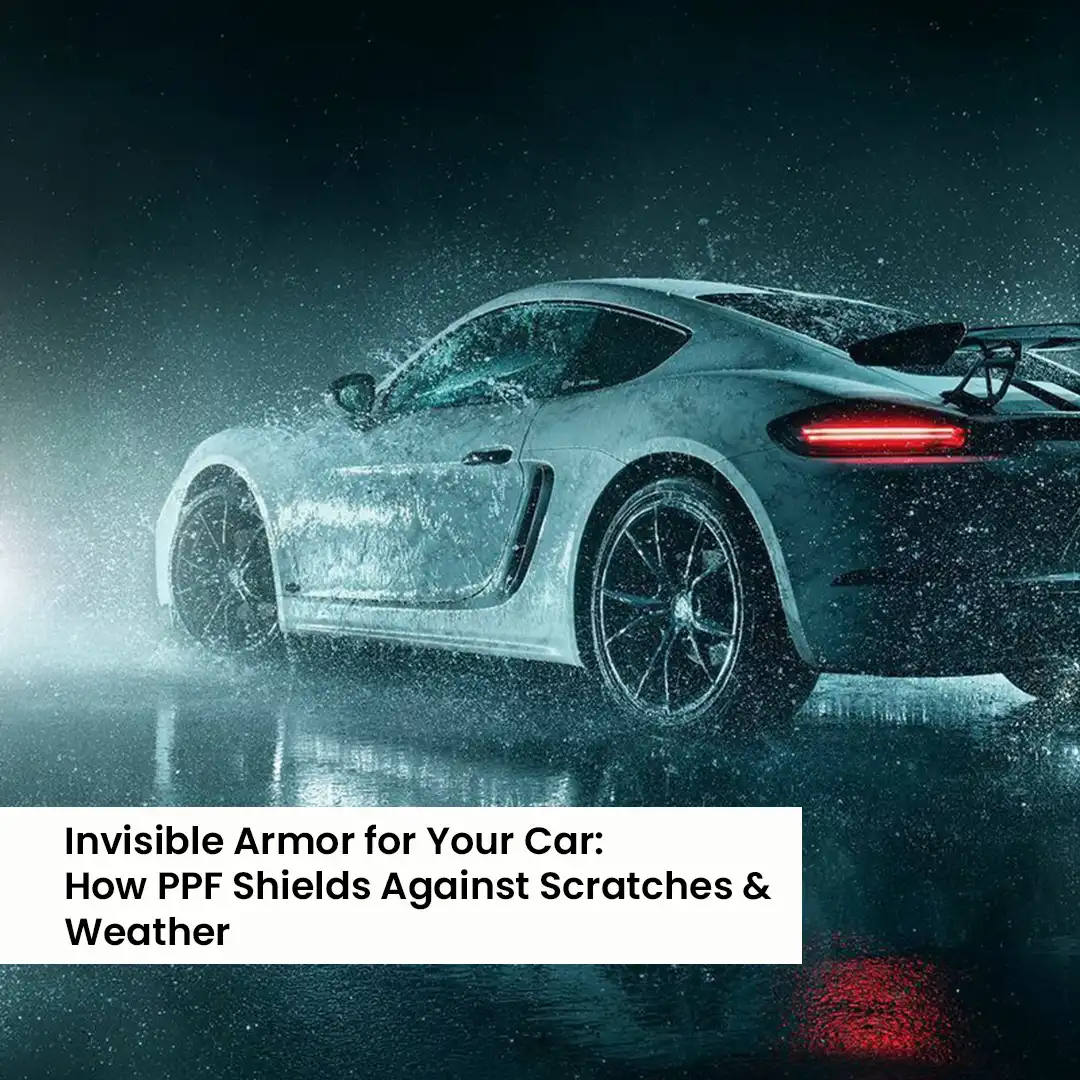
How PPF Shields Against Scratches & Weather Damage
A vehicle’s exterior is exposed to various environmental conditions every day. Road debris, minor scratches, sunlight, rain, and contaminants can affect the appearance of the paint over time. Protecting the painted surface is an important part of vehicle maintenance.
One widely used solution is Paint Protection Film in Bangalore. If you are looking for the best car detailing studio to secure your vehicle, Carsbuddy provides premium PPF. This transparent film is applied to a vehicle’s painted surfaces to create a protective barrier against everyday wear and environmental exposure.
What Is Paint Protection Film?
Paint Protection Film is a transparent thermoplastic polyurethane film designed for automotive surfaces. It is applied over the vehicle’s paint to help protect against external damage.
The film is engineered to absorb minor impacts and reduce direct contact between the paint and environmental contaminants. Because it is transparent, it allows the original paint colour and finish to remain visible.
Protection Against Scratches and Stone Chips
Vehicles regularly encounter dust, gravel, road debris, and other particles while driving. These can cause minor scratches and stone chips on painted surfaces.
PPF acts as a protective layer between the paint and these external elements. The film absorbs much of the impact from small debris, helping to reduce direct damage to the paint underneath.
Areas such as the front bumper, bonnet, fenders, mirrors, and door edges are commonly protected because they are more exposed to road hazards.
Shielding Against Weather Damage
Self-Healing Surface Technology
Many modern PPF products include self-healing properties. Minor surface marks and light swirl marks can become less visible when the film is exposed to heat from sunlight or warm water.
Maintaining a Vehicle with PPF
Paint Protection Film requires routine care to perform effectively. Regular washing helps remove dirt, dust, and contaminants from the film’s surface.
Vehicle owners should follow recommended maintenance guidelines provided by the installer or manufacturer to maximise the lifespan of the film.
Conclusion
Vehicles are exposed to scratches, road debris, and changing weather conditions throughout their lifespan. Paint Protection Film in Bangalore provides a transparent protective layer that helps reduce surface damage and supports paint preservation. Combined with regular maintenance, PPF serves as a practical solution for protecting automotive paint against everyday environmental exposure.
FAQs
1. What exactly is Paint Protection Film?
Paint Protection Film (PPF) is a transparent polyurethane film applied to a vehicle's painted surfaces to help protect against scratches, stone chips, and environmental damage.
2. Is PPF visible once applied to the car?
PPF is designed to be nearly invisible. When professionally installed, it maintains the original appearance and finish of the vehicle.
3. How does PPF protect against scratches and stone chips?
PPF acts as a protective barrier that absorbs minor impacts from road debris, helping reduce direct damage to the paint underneath.
4. Can PPF withstand harsh weather conditions?
Yes. PPF is designed to withstand exposure to sunlight, rain, humidity, and other environmental elements while protecting the vehicle's paint.
5. Can PPF be applied over ceramic or graphene coating?
PPF is typically applied directly to the paint surface. Ceramic or graphene coatings can be applied over PPF if recommended by the manufacturer or installer.