Is Ceramic Coating Worth It Before the Monsoon Season?

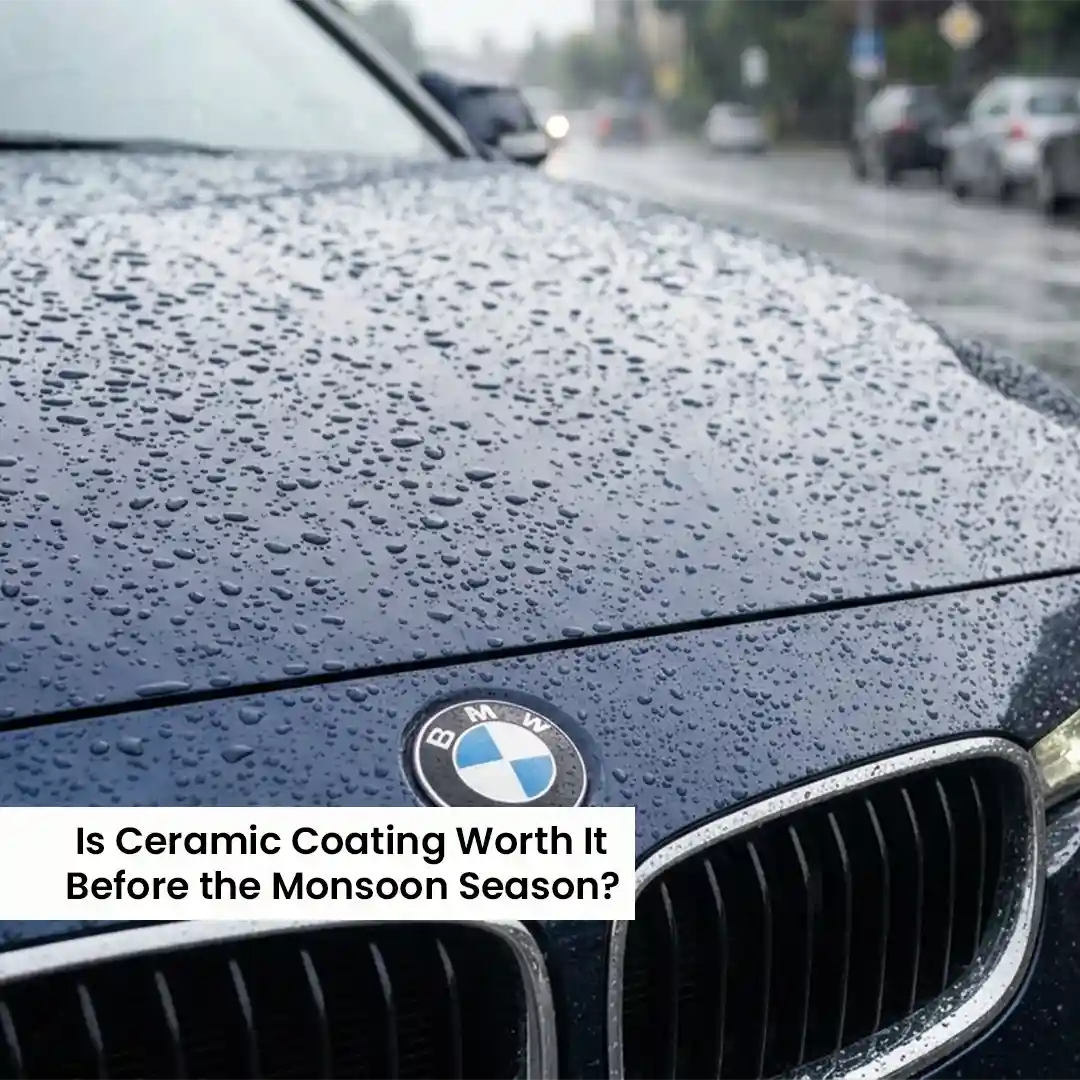
Yes, ceramic coating can be worthwhile before the monsoon, particularly for cars regularly exposed to rain, road grime, bird droppings, tree sap and water spots. A quality coating creates a hydrophobic surface that makes water and contaminants easier to remove while adding resistance to environmental and chemical damage.

However, ceramic coating is not a substitute for regular washing, and it does not make car paint scratch-proof or completely prevent water spots.

Why Apply Ceramic Coating Before the Monsoon?

Monsoon driving exposes your car to more than just rain. Mud, dust, insects, road contaminants and dirty standing water can remain on the paint after a drive.

A ceramic coating chemically bonds to the paint and creates a durable protective layer. Its hydrophobic properties encourage water to bead and roll away, while the coating can make routine cleaning easier.

For car owners considering ceramic coating in Kochi, where heavy seasonal rainfall and humidity are important considerations, professional preparation and application are particularly important.

What Ceramic Coating Can and Cannot Do

Ceramic coating can help withCeramic coating cannot guarantee
Water repellencyComplete scratch protection
Easier removal of road grimeProtection from stone chips
Resistance to environmental contaminantsElimination of water spots
UV and chemical protectionZero maintenance
Gloss and surface slicknessPermanent protection

The coating should therefore be viewed as a paint protection and maintenance aid, rather than an invisible shield against every form of damage.

How Does It Help During Heavy Rain?

The hydrophobic surface changes how water interacts with the paint. Instead of spreading across the surface, water tends to form droplets and run off more readily. This can reduce the amount of water and loose dirt that remains on the vehicle.

However, rainwater can still contain contaminants, and water that dries on a car can leave mineral deposits. Ceramic Pro’s aftercare guidance specifically recommends drying the vehicle completely rather than allowing it to air-dry because minerals in water can contribute to water spotting.

Should You Get Paint Correction First?

Yes, if the paint has visible swirls, oxidation, scratches or other imperfections.

Ceramic coating does not hide paint defects permanently. In fact, it can preserve the condition of the surface underneath it.

For a new car with clean, well-maintained paint, extensive correction may not be necessary. The appropriate preparation should depend on the actual condition of the paint.

What About Washing After Monsoon Drives?

A ceramic-coated car should still be washed regularly. If the vehicle comes home covered in mud and road grime, leaving the contamination on the surface for an extended period is not good practice.

Use a suitable car shampoo, gentle wash mitt and clean microfiber towels. Avoid aggressive scrubbing. Ceramic Pro recommends rinsing debris first, using appropriate washing methods and drying the vehicle completely.

The exact maintenance interval depends on how often you drive, local conditions and the coating used.

Is Ceramic Coating Worth It Before the Monsoon?

For owners who want easier maintenance and additional protection against environmental contamination, yes. The greatest benefit is not that the car becomes maintenance-free. It is that routine cleaning can become easier and the paint gains an additional protective layer.

If you are looking for the Best car detailing studio in Kochi, compare the preparation process, coating brand, curing procedure, warranty and aftercare support rather than choosing a studio based only on price.

Carsbuddy can also be considered when researching professional car detailing and ceramic coating services.

FAQs

1. Is it beneficial to apply a ceramic coating right before the monsoon season?

Yes, provided the coating is professionally prepared and applied with enough time for proper curing. A ceramic coating can improve water repellency, make contaminants easier to clean and provide resistance against environmental and chemical exposure. The important consideration is timing: the vehicle must remain protected from water for the manufacturer's specified curing period after application.

2. How does ceramic coating protect car paint during heavy rains?

Ceramic coating creates a hydrophobic surface that encourages water to bead and move off the paint. It also provides a chemically resistant layer that can help protect against environmental contaminants. However, rainwater can still leave mineral deposits when it dries. Washing and properly drying the vehicle remain important, particularly during periods of heavy rainfall.

3. Will rainwater stain or damage a car with ceramic coating?

Ceramic coating reduces the likelihood of certain contaminants bonding strongly to the paint, but it does not make the surface immune to water spots. Rainwater can contain minerals and contaminants that remain after evaporation. If water spots develop, they should be addressed using coating-safe methods rather than aggressive polishing or abrasive products.

4. Can I wash my ceramic-coated car immediately after driving through monsoon mud and grime?

If the coating has fully cured, washing the car after a muddy drive is advisable rather than allowing contaminants to remain on the surface. However, a newly applied coating needs a specific curing period before washing. Ceramic Pro recommends waiting around two weeks for its coatings, while other products may have different requirements. Always follow the coating manufacturer's instructions.

5. Should I get paint correction done before applying ceramic coating for the monsoon?

Paint correction is advisable when the vehicle has noticeable swirl marks, oxidation or other paint defects. A ceramic coating does not replace paint correction, and applying it over an imperfect surface can preserve those imperfections underneath the coating. If the paint is already in excellent condition, extensive correction may not be necessary.
Can Rain and High Humidity Damage Car PPF Edges?

Paint Protection Film (PPF) is designed to protect a car’s paint from stone chips, scratches, stains and everyday road contaminants. However, the film still needs proper care, particularly during the monsoon when vehicles are exposed to rain, moisture, mud and frequent washing.

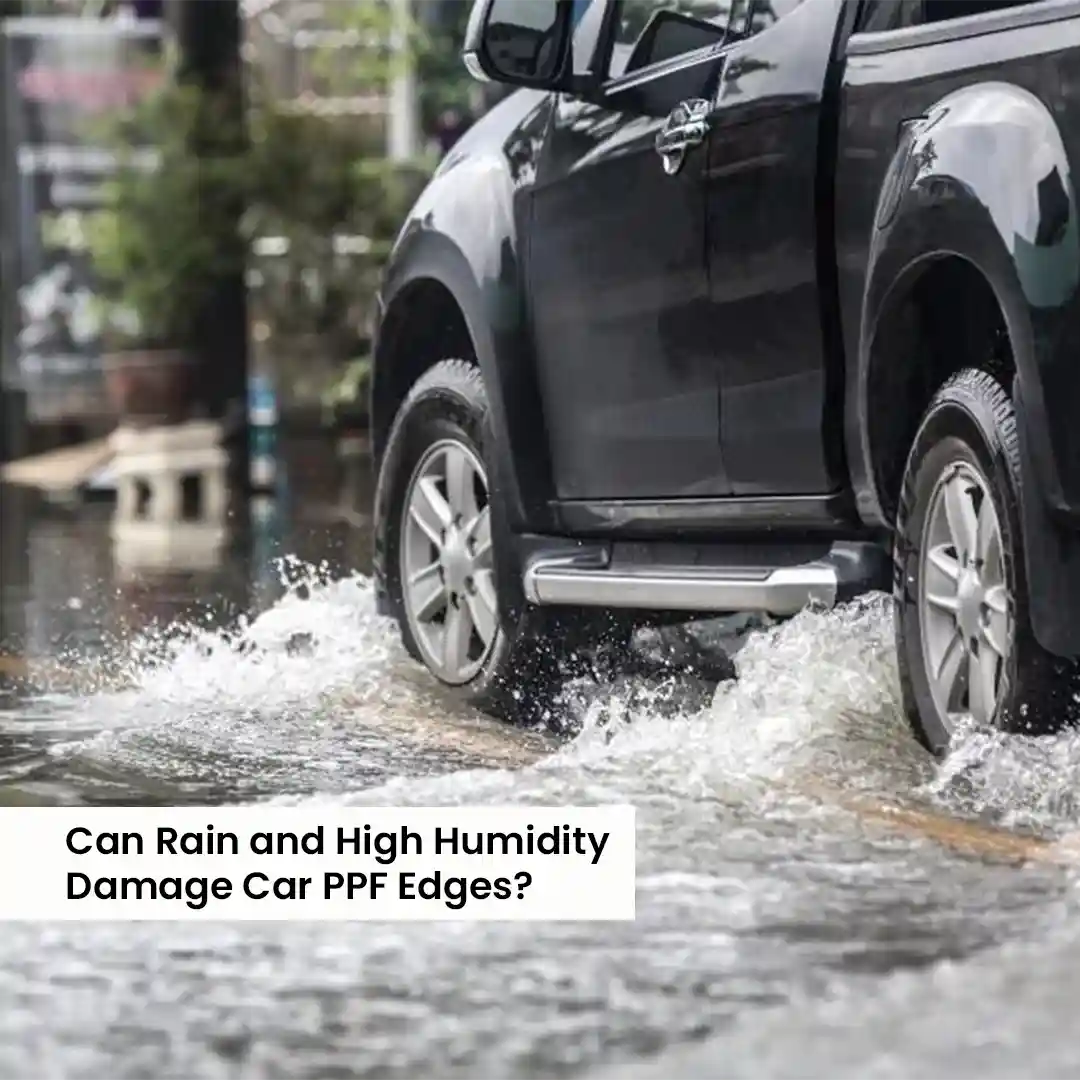
So, can rain and high humidity cause PPF edges to lift or peel? Rain itself does not normally cause a properly installed PPF to fail. Edge lifting is more often associated with installation quality, exposed edges, contamination, aggressive washing or water being forced underneath the film. We warn that excessive pressure can force water underneath PPF and weaken adhesion, leading to lifting or curling.

Why PPF Edges Need Extra Attention During Monsoon

PPF edges are among the areas most likely to collect dirt and moisture. If an edge has already started lifting, repeated exposure to water, road grime and pressure washing can make the problem worse.

Professional installation plays an important role. Correct preparation, positioning and edge setting help the film maintain proper adhesion. Vehicle-specific patterns and professional installation are also recommended by major PPF manufacturers.

Common Monsoon Risks for PPF

RiskWhat Can Happen
Heavy rainDirt and contaminants accumulate around exposed edges
High-pressure washingWater can be forced underneath the film
Mud and gritCan collect around lifted edges
Bird droppings and insectsMay stain the film if left for long
Poor installationEdges may be more prone to lifting
Delayed cleaningContaminants can become harder to remove

Does Humidity Make PPF Turn Yellow or Cloudy?

Not normally. Quality modern PPF is designed to resist yellowing and maintain clarity. For example, XPEL describes its PPF as non-yellowing and SunTek offers products with warranties covering issues such as yellowing, depending on the specific product and warranty terms.

Cloudiness or visible moisture should not automatically be attributed to humidity. If you notice persistent haziness, bubbles or changes in appearance, have the film inspected by the installer.

How Often Should You Wash a PPF-Coated Car During Monsoon?

There is no universal weekly schedule. The better rule is to clean the car whenever rain leaves behind mud, dirt, bird droppings or other contaminants.

Hand washing is generally preferred. We recommend hand washing with soap, water and a soft cloth, while others recommend hand washing whenever possible and advise against aggressive washing methods.

After washing, inspect the film edges rather than simply wiping the visible surface.

What If a PPF Edge Starts Peeling?

Do not pull, trim or press the lifted section back yourself. Take the vehicle to the professional installer as soon as possible.

A loose section can collect dirt and moisture underneath it, and aggressive washing can make the lifting worse. We also recommend checking PPF after washing and having lifted or damaged film repaired, removed or replaced.

Early inspection can also help determine whether the issue is limited to a small edge or whether the affected section needs replacement.

Can You Apply Ceramic Coating Over PPF?

Yes, a compatible ceramic coating or PPF-specific sealant can be applied over suitable PPF, provided the product manufacturer permits it. SunTek, for example, confirms that ceramic coatings can be applied over its PPF.

A coating can make the film more hydrophobic and easier to maintain, but it does not fix a poorly bonded or already lifting edge. Edge inspection and correct installation remain more important.

Monsoon PPF Maintenance Checklist

For practical PPF maintenance during monsoon, follow these habits:

  • Hand wash whenever possible.
  • Avoid directing high-pressure water at film edges.
  • Remove mud and road grime promptly.
  • Clean bird droppings and insects without aggressive scrubbing.
  • Dry the vehicle after washing.
  • Check edges regularly for lifting or curling.
  • Avoid abrasive cleaners and harsh chemicals.
  • Have any lifting inspected by a professional installer.

If you are looking for Paint Protection Film in Bangalore, choosing an experienced installer is particularly important. A good installation and aftercare process can matter as much as the film itself.

For car owners comparing a Best car detailing studio in Bangalore, ask about the PPF brand, installation method, warranty, edge coverage and aftercare recommendations before choosing a package. Carsbuddy can also be considered when evaluating professional car detailing and paint protection services.

FAQs​

1. Can rain and high humidity cause PPF edges to lift or peel?

Rain and humidity alone should not normally cause properly installed PPF to peel. However, existing edge lifting can worsen when water, dirt and pressure washing get underneath the film. Installation quality, edge preparation and washing technique are important factors. High-pressure water directed at the edge can weaken adhesion and cause lifting or curling.

2. Does humidity cause PPF to turn yellow or cloud up?

Quality PPF is designed to resist yellowing and maintain optical clarity. Persistent cloudiness, bubbling or discoloration should therefore be inspected rather than automatically blamed on humidity. The film's quality, age, exposure, installation and maintenance can all influence its appearance. Warranty coverage also varies between PPF products and manufacturers.

3. What should I do if I notice the PPF edge starting to peel during the monsoon?

Have the vehicle inspected by the original installer or another qualified PPF professional as soon as possible. Avoid pulling, trimming or repeatedly pressing the loose section yourself. Do not direct a pressure washer at the affected area. Early inspection can prevent dirt and moisture from accumulating underneath and determine whether the edge can be repaired or the section needs replacement.

4. How often should I wash my PPF-coated car during the rainy season?

Wash it whenever rain leaves significant mud, dirt, bird droppings or other contaminants on the surface. There is no fixed monsoon frequency that suits every vehicle. Hand washing with suitable soap and a soft cloth is generally preferred. After washing, dry the car and check the PPF edges for lifting, curling or trapped debris.

5. Can I apply ceramic coating or sealant over PPF during the monsoon?

Yes, provided the coating or sealant is compatible with the specific PPF. Ceramic coatings can add hydrophobic properties and make cleaning easier, but they do not repair lifted edges or replace proper PPF maintenance. SunTek confirms that ceramic coatings can be applied over its PPF, while some products already incorporate hydrophobic topcoat technology.