
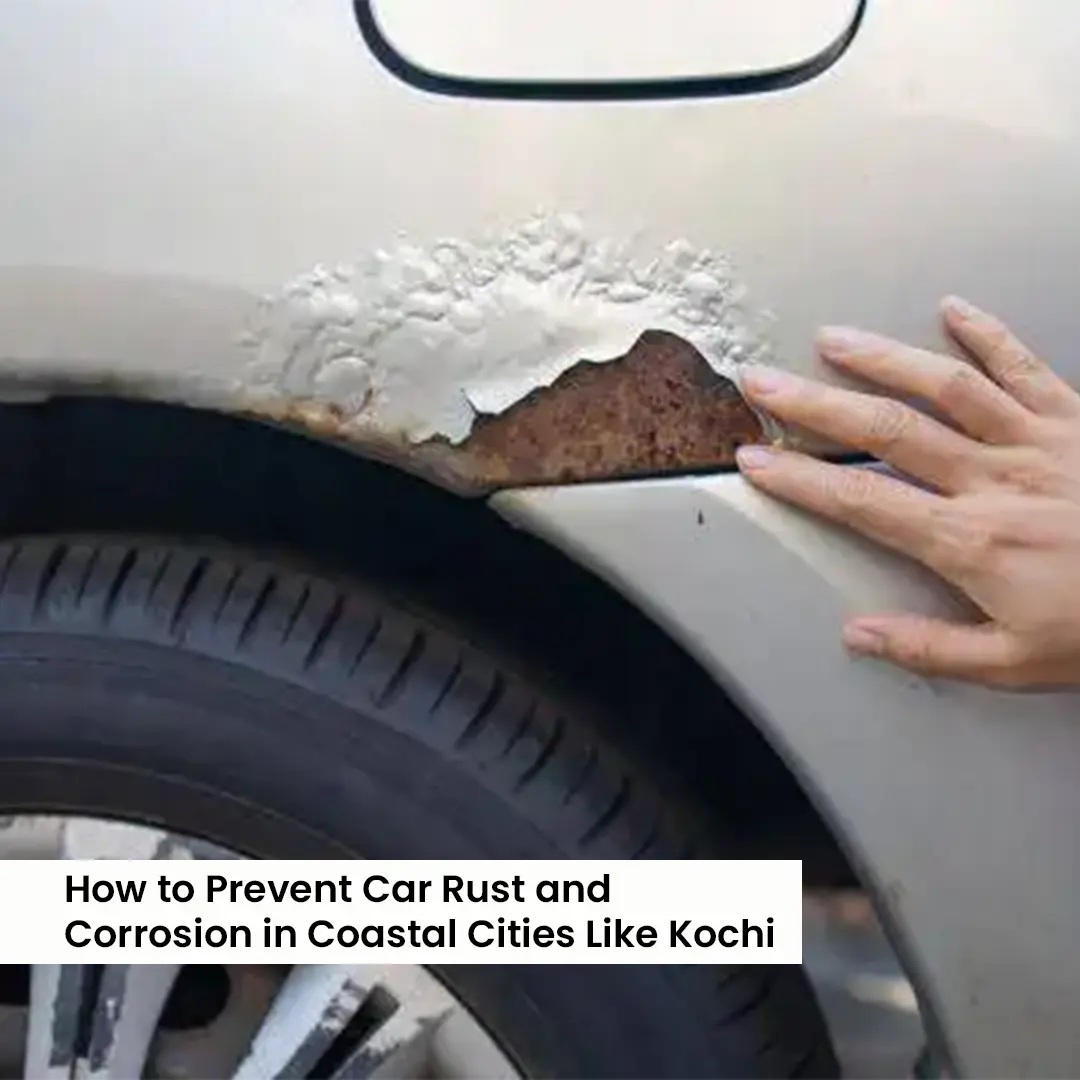
How to Prevent Car Rust: Ceramic Coating Kochi | Carsbuddy

Cars in coastal cities like Kochi are more exposed to rust and corrosion because of high humidity, salt in the air, and regular moisture exposure. Preventing rust requires consistent cleaning, paint protection, underbody care, and protective treatments such as Ceramic Coating in Kochi.

Salt particles carried through coastal air can settle on vehicle surfaces and accelerate corrosion over time. This affects both the exterior paint and metal components underneath the vehicle.

Why Coastal Areas Increase Rust Formation

Rust forms when metal reacts with oxygen and moisture. In coastal environments, salt acts as a catalyst that speeds up this process.

In cities like Kochi, vehicles are commonly exposed to:

  • Humid weather
  • Sea salt deposits
  • Water accumulation
  • Monsoon rainfall
  • Wet road conditions

Over time, untreated exposure may lead to:

  • Paint deterioration
  • Metal corrosion
  • Underbody rust
  • Surface oxidation

Regular preventive maintenance is important for vehicles operating in coastal regions.

Importance of Regular Vehicle Washing

Frequent washing helps remove salt particles, mud, and contaminants from vehicle surfaces. Coastal vehicles generally require more regular cleaning than vehicles operated in dry regions.

Vehicle owners are usually advised to:

  • Wash the car regularly
  • Clean wheel arches and underbody sections
  • Remove salt residue after long drives
  • Dry the vehicle properly after washing

Salt accumulation often remains unnoticed in lower body panels and hidden metal sections.

Role of Ceramic Coating in Kochi

Ceramic Coating in Kochi is commonly used as an additional paint protection layer for vehicles exposed to coastal conditions.

Ceramic coating creates a protective layer over the paint surface that helps reduce direct contact between contaminants and the vehicle’s exterior.

The coating may help support:

  • Water repellence
  • Reduced dirt accumulation
  • Easier cleaning
  • UV protection
  • Surface protection against environmental exposure

While ceramic coating does not make a vehicle rust-proof, it helps support paint surface protection when combined with proper maintenance practices.

Underbody Protection is Important

The underbody is one of the most vulnerable areas for corrosion because it is directly exposed to water, mud, and salt.

Preventive underbody protection may include:

  • Anti-rust coating
  • Underbody washing
  • Protective sealants
  • Periodic inspection for corrosion signs

Regular inspection helps identify rust formation before it spreads to structural components.

Protecting Paint and Metal Surfaces

Paint damage increases the risk of rust because exposed metal reacts more easily with moisture.

Vehicle owners should address:

  • Paint scratches
  • Stone chips
  • Surface dents
  • Peeling paint

Immediate repair of damaged paint areas helps reduce corrosion risk.

Using Ceramic Coating in Kochi along with paint correction services may help maintain surface protection for longer periods.

Parking and Storage Considerations

Parking conditions also affect corrosion levels.

Whenever possible, vehicles should be parked:

  • In covered areas
  • Away from direct sea breeze exposure
  • In dry and ventilated spaces

Continuous exposure to moisture and salt-heavy air may accelerate metal deterioration.

Routine Inspection and Maintenance

Periodic inspection is important for early detection of corrosion.

Areas commonly inspected include:

  • Door edges
  • Wheel wells
  • Underbody panels
  • Bonnet edges
  • Exhaust components

Professional detailing centres like Carsbuddy and service facilities may also recommend periodic surface protection treatments depending on vehicle usage conditions.

Conclusion

Vehicles operating in coastal cities like Kochi are exposed to environmental conditions that increase the risk of rust and corrosion. Preventive maintenance practices such as regular washing, underbody care, paint repair, and protective treatments help reduce long-term damage.

Ceramic Coating in Kochi is commonly used as part of vehicle paint protection systems to support surface durability and simplify maintenance in coastal conditions.

FAQ’s
1. Why do cars rust faster in coastal cities like Kochi?

High humidity and salt in the air increase moisture exposure and accelerate corrosion on metal surfaces.

2. Does Ceramic Coating protect a car from rust?

Ceramic coating helps protect the paint surface and reduces exposure to contaminants, but regular maintenance is still important.

3. How often should I wash my car to prevent rust if I live near Kochi's coast?

Regular washing, especially once every one to two weeks, helps remove salt and moisture buildup.

4. Can parking in an enclosed garage in Kochi cause rust?

Poorly ventilated garages can trap moisture, which may increase the risk of corrosion over time.

5. What are the primary rust-prone spots on a car I should watch out for?

Common rust-prone areas include the underbody, wheel arches, door edges, bonnet edges, and exhaust components.

How to Fix Warm Car AC in Bangalore Heat?

If a car AC is blowing warm air or struggling to cool the cabin during Bangalore’s daytime traffic, heat entering through the windows may be one of the contributing factors. Installing Sun Control Film in Bangalore is one method used to reduce heat buildup inside vehicles by limiting solar heat and infrared radiation entering through glass surfaces.

Bangalore’s weather conditions, increasing daytime temperatures, and long traffic durations can raise cabin temperatures significantly, especially in vehicles exposed to direct sunlight.

Why Car Interiors Heat Up Quickly

Vehicle windows allow sunlight and infrared radiation to enter the cabin. When a parked or moving vehicle remains exposed to sunlight for extended periods, heat becomes trapped inside.

This may lead to:

  • Increased cabin temperature
  • Higher AC workload
  • Slower cooling performance
  • Passenger discomfort
  • Increased fuel consumption in some conditions

Dark dashboards, leather seats, and enclosed cabin spaces can absorb and retain heat for longer durations.

What is Car Sun Control Film?

Car sun control film is a thin layer applied to vehicle windows to reduce solar heat transmission. Modern films are designed to block portions of:

  • Infrared radiation
  • UV rays
  • Solar glare
  • Heat energy

Many vehicle owners now install Sun Control Film in Bangalore to help reduce cabin heat during regular city driving conditions.

Different films may offer different levels of heat rejection, visibility, and UV protection depending on the product type and specifications.

How Sun Control Film Supports AC Performance

Car air conditioning systems work by cooling the air inside the cabin. When excessive solar heat enters through windows, the AC system must work harder to maintain cooling levels.

Sun control films help reduce the amount of heat entering the vehicle. This may support:

  • Faster cabin cooling
  • Reduced heat buildup
  • Improved AC efficiency
  • More stable cabin temperature

Vehicles parked outdoors during daytime conditions often experience higher internal heat accumulation compared to shaded parking conditions.

Infrared Heat Rejection

Infrared radiation is one of the major contributors to heat buildup inside vehicles.

IR-based sun control films are designed to reduce infrared heat penetration without completely blocking visible light. This helps maintain cabin visibility while reducing heat exposure. Some films are engineered using nano-ceramic or multi-layer technologies to improve infrared rejection performance.

UV Protection Benefits

Apart from heat control, Sun Control Film in Bangalore may also help reduce ultraviolet (UV) exposure inside the vehicle cabin.

UV exposure can contribute to:

  • Dashboard fading
  • Interior material deterioration
  • Upholstery damage
  • Increased cabin ageing

Reducing UV penetration may help maintain interior surface condition over time.

Glare Reduction During Driving

Sun glare can affect visibility during daytime driving, especially in high sunlight conditions.

Sun control films may help reduce:

  • Harsh sunlight glare
  • Reflection intensity
  • Eye strain during driving

This may support better visual comfort for drivers and passengers during long commutes.

Legal and Installation Considerations

Vehicle owners should ensure that installed sunfilms comply with applicable visibility and automotive regulations.

Professional installation is important for:

  • Proper film alignment
  • Bubble-free application
  • Long-term adhesion
  • Optical clarity

Film quality, installation standards, and maintenance practices affect durability and overall performance.

Maintaining Car Sunfilms

Basic maintenance recommendations generally include:

  • Using soft cloth materials
  • Avoiding abrasive cleaners
  • Cleaning windows regularly
  • Preventing sharp object damage

Proper maintenance helps improve the lifespan and clarity of the installed film.

Conclusion

Excessive heat entering through vehicle windows can increase cabin temperatures and affect AC performance during Bangalore’s warmer conditions. Sun Control Film in Bangalore is commonly used to reduce solar heat, infrared radiation, and glare inside vehicle cabins.

Car sunfilms help support cooler cabin conditions, reduce UV exposure, and improve overall driving comfort during regular city usage.


 FAQs

1. Why does my car AC feel weak during hot afternoons in Bangalore?

 High solar heat entering through windows can increase cabin temperature and make the AC work harder.

2. What is a Sun Control Film for cars?

 It is a window film designed to reduce heat, glare, and UV rays entering the vehicle cabin.

3. Does Sun Control Film help improve AC cooling?

 It helps reduce cabin heat buildup, which may support more effective cooling performance.

4. Can Sun Control Film reduce UV exposure inside the car?

 Yes. Many sunfilms help reduce UV rays that may damage interiors and increase heat exposure.

5. Is professional installation important for car sunfilms?

Yes. Proper installation helps ensure better visibility, adhesion, finish quality, and long-term performance.