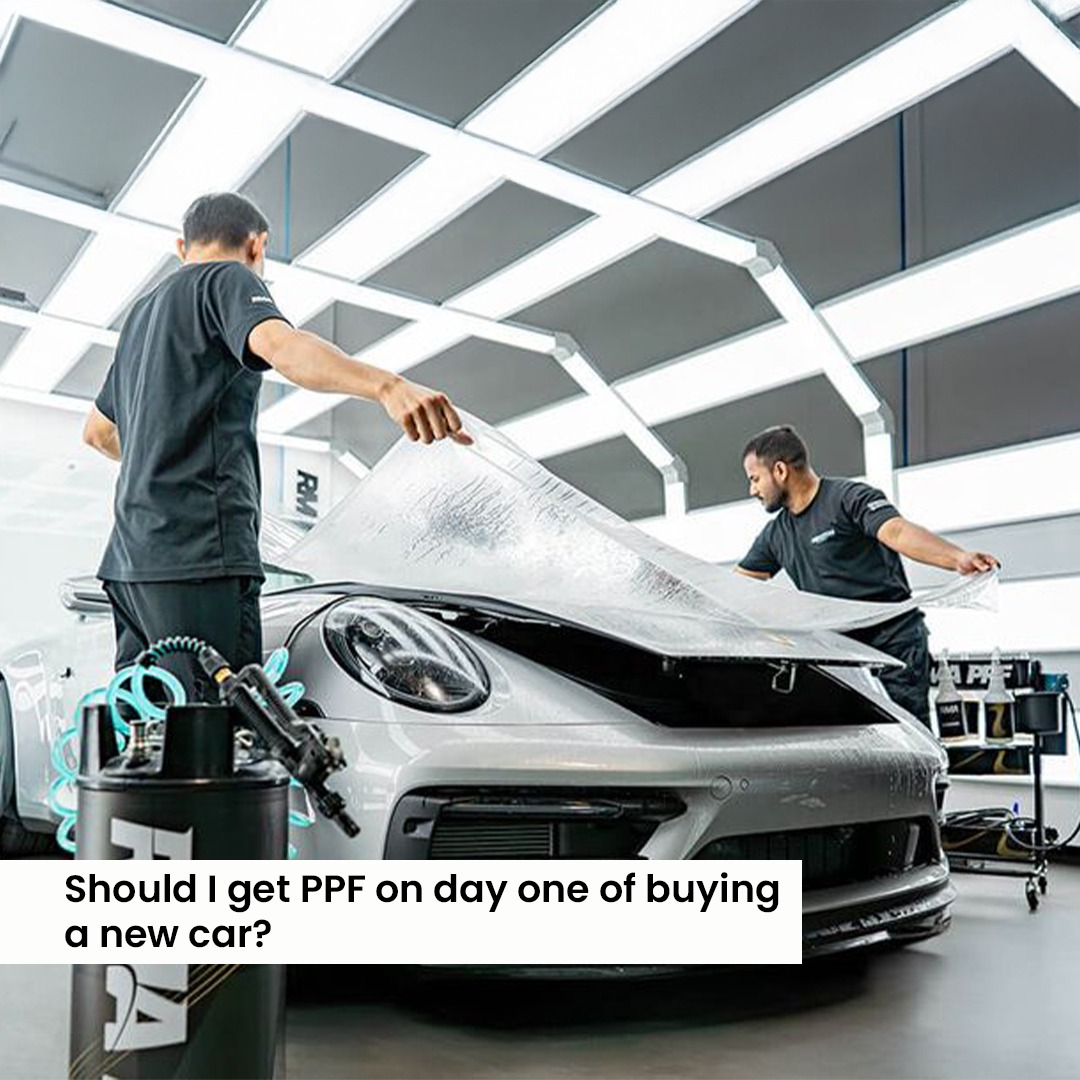
Why is Autumn so hard on car paint? 5 common Fall problems and how to protect your vehicle.

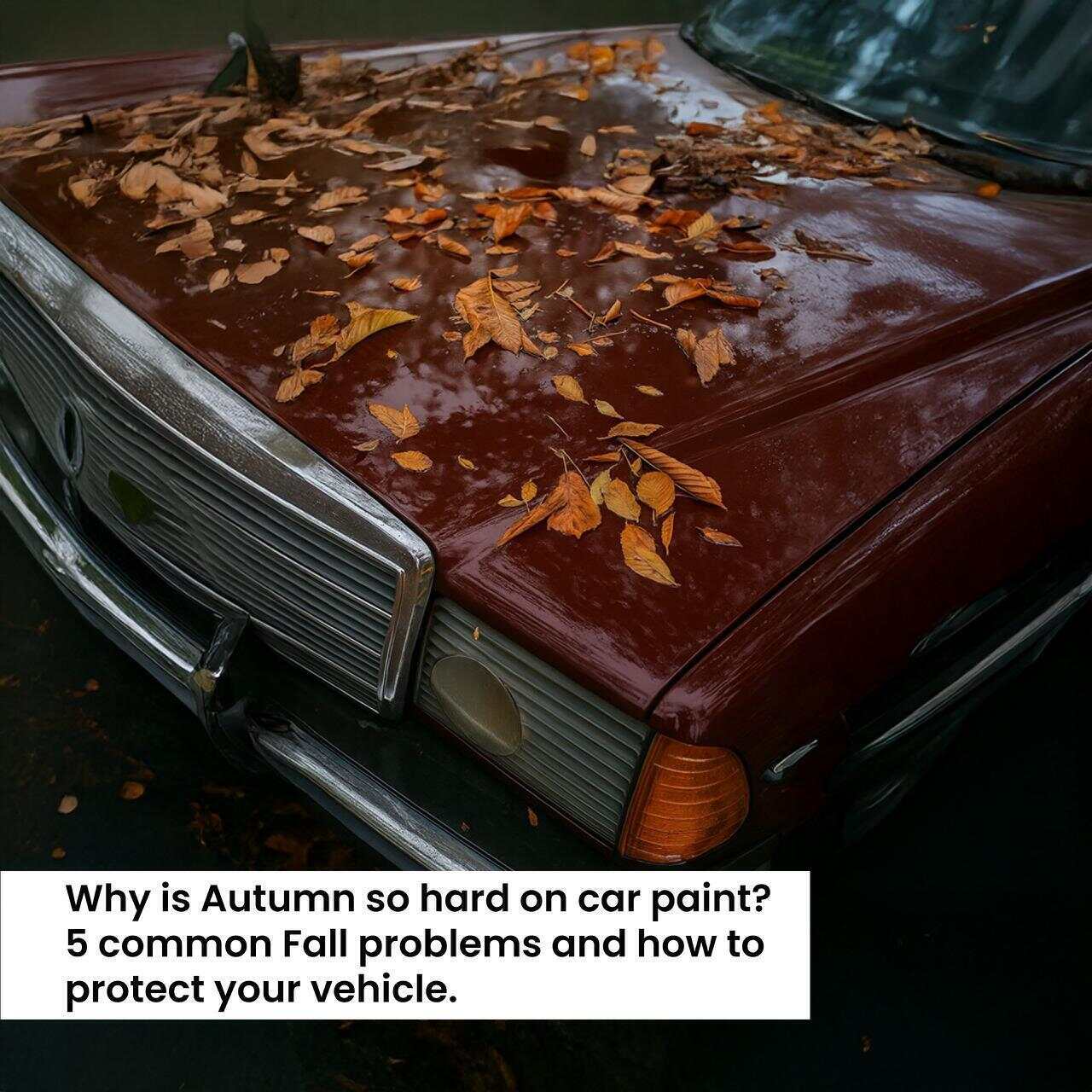
Autumn can be tough on car paint because the season brings more organic fallout, moisture, and surface contamination. Falling leaves, tree sap, bird droppings, and pollen settle on the vehicle more frequently. Cooler nights can also increase dew formation, which keeps the surface damp for longer. When these elements stay on paint, they can cause staining, dullness, and surface marks.

If you are exploring Ceramic Coating in Kochi, understanding these seasonal paint risks helps you plan better protection and maintenance.

What Makes Fall Paint Damage Different?


Autumn contamination is mostly “natural” but highly reactive. Many fall-related materials are acidic or sticky. When combined with moisture and sunlight, they can bond to the clear coat. This affects paint shine and may require polishing or correction if neglected.

Unlike dust that can be rinsed off, autumn fallout often needs safer cleaning methods to prevent scratches.

5 Common Autumn Problems That Affect Car Paint

1) Leaf stains and tannin marks

Fallen leaves may look harmless, but they release tannins and organic acids. When wet leaves sit on a car, they can leave dark stains or patch marks on clear coats. These stains can become visible within a short time, especially after rain or overnight dew.

What to do:

• Remove leaves daily, especially from the bonnet and roof
• Avoid wiping dry leaves with pressure (it can scratch)
• Use clean water and microfiber cloths for safe removal

2) Tree sap and sticky residue

Autumn often increases tree sap because many trees shed material and secretions during seasonal changes. Sap bonds strongly to paint and attracts dirt. If left for long, it can harden and become difficult to remove without proper products.

What to do:

• Use a dedicated sap remover or safe detailing solution
• Do not scrape sap with sharp tools
• Wash the panel after sap removal

3) Bird droppings and insect fallout

Even during cooler months, bird droppings remain a serious paint risk. They are acidic and can etch a clear coat. Insects may reduce in number, but residue still collects on bumpers and mirrors, especially during daytime drives.

What to do:

• Remove bird droppings as soon as possible
• Use a wet microfiber and gentle lift method
• Follow with a quick wash or wipe using clean lubricant solution

4) Road grime and tar spots

During fall and early winter, roads often carry more grime. Mud splashes, tar deposits, and oily film tend to build up near the lower doors and rear bumper areas. These deposits reduce gloss and can cause paint roughness.

What to do:

• Wash the vehicle regularly, especially wheel arches and lower panels
• Use tar remover when needed
• Apply protection to reduce bonding of road contaminants

5) Water spotting from dew and light rain

Autumn brings more frequent dew formation. When dew dries on paint, it can leave mineral residue and water spots. Light rains can also increase spotting if the water contains minerals and the car dries under sunlight.

What to do:

• Dry the car after rain instead of letting it air-dry
• Use a clean microfiber drying towel
• Avoid washing under direct sunlight

The How to Protect Your Car Paint in Autumn

Goal is to reduce contamination bonding and make cleaning easier.

Key practical steps include:
• Regular washes (once a week if parked outdoors)
• Use pH-neutral car shampoo
• Avoid dry dusting
• Park away from trees when possible
• Use a car cover only on a clean car (never on a dusty surface)

For long-term protection, surface coatings help reduce staining and improve ease of maintenance.

Why Ceramic Coating Helps During Fall

Ceramic coating forms a protective layer on top of the clear coat. It improves hydrophobic behaviour, meaning water beads and rolls off faster. This helps reduce water spotting and makes dirt less likely to stick.

Ceramic coating also offers:
• improved gloss retention
• easier cleaning
• resistance against minor chemical staining from organic fallout

If you are considering Ceramic Coating in Kochi, it is helpful for vehicles parked outdoors, driven daily, or used on coastal roads where moisture and contamination are common.

Final Note

Autumn paint damage mostly comes from natural contamination that remains on the car for too long. Leaf stains, sap, bird droppings, road grime, and dew spotting are among the most common problems. With consistent washing habits and the right paint protection, these issues can be reduced and managed effectively.


FAQ

1. Can wet leaves really damage my car’s paint?

Yes. Wet leaves release natural acids and can leave stains if they sit on the paint for long.

2. How often should I wash my car in the Fall?

Ideally once a week, or more often if your car is parked under trees.

3.Does road salt start damaging cars before winter?

In some places, yes. If salt is used early, it can start causing rust and underbody damage.

4. Why do my windows fog up more during the Autumn?

Because the air is more humid and cooler, so moisture condenses on the glass.

5. Is it better to get PPF or Ceramic Coating for the Fall?

PPF protects better from scratches and stone chips. Ceramic coating helps more with cleaning, water beading, and stains.

Is Color PPF actually better than a vinyl wrap?

Is Colour PPF actually better than a vinyl wrap?

In many real-world cases, yes, Colour PPF can be better than a vinyl wrap,
especially if your priority is protection. Colour PPF (paint protection film) is made to shield the paint from stone chips, light scratches, minor abrasions, and UV exposure, while also changing the vehicle’s look. A vinyl wrap is mainly meant for styling and visual change, not long-term protection. Formatted: Centered If you are considering Paint Protection Film in Bangalore, this blog explains the key differences, pros, cons, and what to check before you choose.

What is Colour PPF?

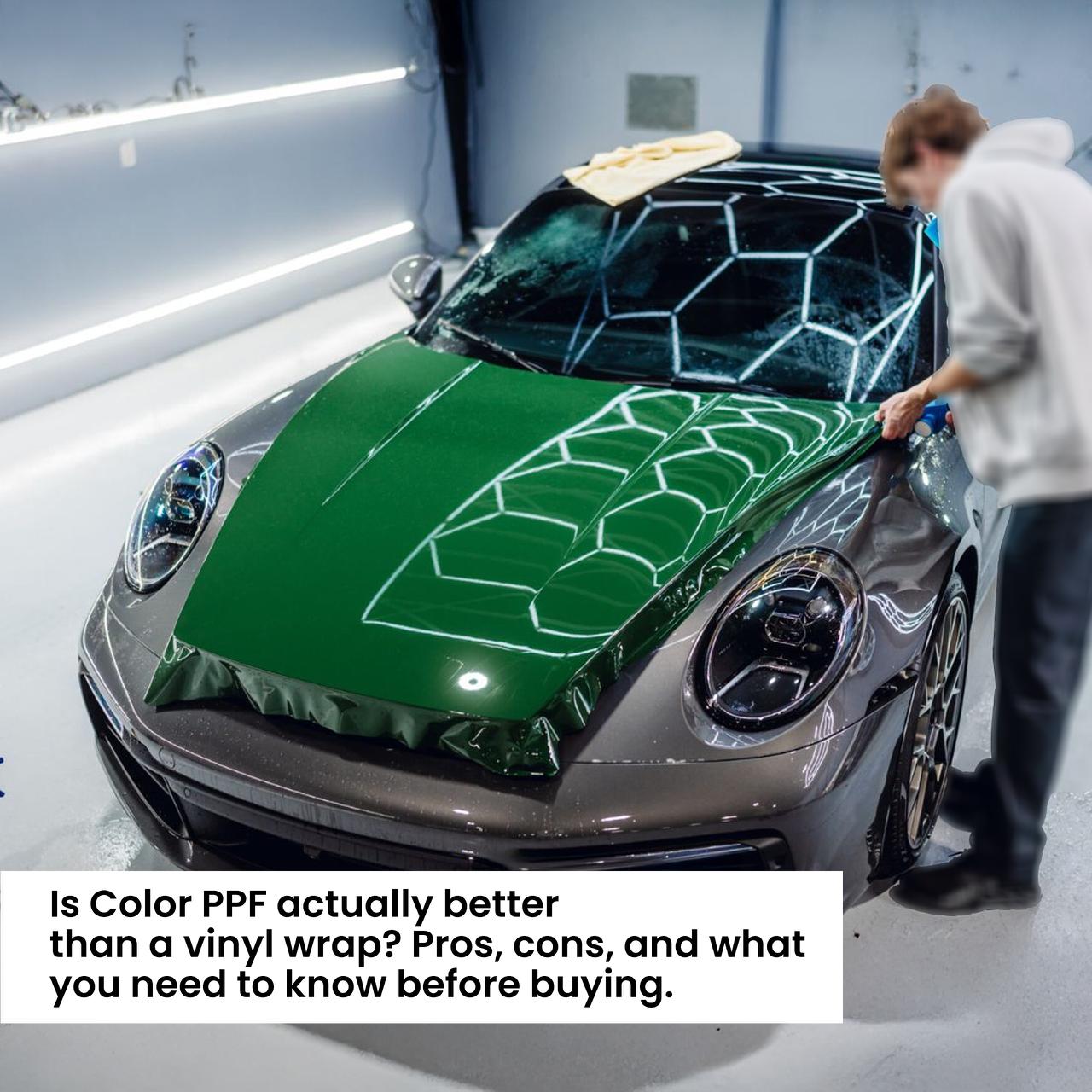
Colour PPF is a thick, protective film applied over your car’s painted panels. Unlike clear PPF, it comes in colours and finishes such as gloss, matte, satin, and metallic looks.

Its main purpose is protection, with the bonus of colour transformation.

What is a Vinyl Wrap?

A vinyl wrap is a thin film applied to the exterior panels to change the appearance of the car. It is widely used for colour changes, graphics, branding, and custom looks.

Its main purpose is styling, not paint protection.

Colour PPF vs Vinyl Wrap: The Core Difference

The biggest difference is film thickness and durability.

Colour PPF: thicker, stronger, more impact-resistant

• Vinyl wrap: thinner, more design-focused, easier to remove and replace

This thickness difference is why Colour PPF usually handles scratches and road debris better.

Pros of Colour PPF
1) Better paint protection

Colour PPF helps protect the paint from:
• stone chips
• swirl marks from cleaning
• light scratches
• road grime and minor abrasions

2) Longer life in daily conditions

If installed well and maintained, Colour PPF can usually last longer than many vinyl wraps.

3) Easier surface maintenance

Many Colour PPFs have a topcoat that resists staining and makes cleaning easier.

4) Premium finish options

Colour PPF gives a paint-like look, which can feel more “OEM” than a wrap finish.

Cons of Colour PPF
1) Higher cost

Colour PPF generally costs more than vinyl. It is also more expensive to repair panel wise.

2) Limited design flexibility

If you want complex designs, patterns, or printed graphics, vinyl gives more freedom.

3) Installation quality matters a lot

Because Colour PPF is thicker, poor installation can show visible edges, cuts, or stretch marks.

Pros of Vinyl Wrap
1) More design options

Vinyl offers:
• more colours
• textures (carbon, brushed metal, chrome-style finishes)
• printed designs and branding

2) Lower entry cost

Vinyl is usually more affordable for full body styling.

3) Faster style change

For people who like updating the look often, vinyl makes more practical sense.

Cons of Vinyl Wrap
1) Lower protection

Vinyl is not designed to take impact the way Colour PPF does. It can tear or mark more easily.

2) Wear in high-touch areas

Door handles, bumpers, and edges can peel sooner if the wrap is not installed carefully.

3) Heat and sun exposure

In hot climates, wrap life depends heavily on the quality of vinyl and aftercare.

Which one should you buy?

Here is a simple way to decide:

Choose Colour PPF if:

• you want paint protection + styling
• your car sees daily city and highway driving
• you want a premium finish
• you plan to keep the same look for longer

Choose Vinyl wrap if:

• you mainly want a style change
• you want unique graphics or custom designs
• you prefer lower cost and quicker replacement

What to check before buying (important)

Before spending money on either option, check these points:

1. Film warranty (written, not verbal)
2. Installer experience (ask for real car photos, not catalogue images)
3. Edge finishing quality
4. Panel coverage (full panels vs partial)
5. Surface prep process (wash, decontamination, polishing if needed)
6. Care instructions (washing, drying, ceramic top-up if applicable)

Final takeaway

Colour PPF is usually the better choice if you want real protection along with a colour change. Vinyl wrap remains a strong option for creative styling and budget-friendly transformations. The best result in both cases depends more on film quality and installation skill than on marketing claims.

If you are searching for Paint Protection Film in Bangalore, prioritise a
professional installer like Carsbuddy who offers proper warranty, clean finishing, and clear aftercare guidance.

FAQ

1.Why is Color PPF so much more expensive than a regular wrap?

Because Color PPF is thicker, stronger, and made for paint protection, not just looks. The material and installation cost more.

2. Is Color PPF harder to maintain than a normal car?

No. It is usually easier to clean, but you should still wash it gently and avoid harsh chemicals.

3. Can Color PPF be removed later without damaging my paint?

Yes, if it is removed properly by professionals, it should not damage original paint.

4. Does Color PPF have the "orange peel" look of vinyl?

Less than vinyl in most cases, but some films can still show slight texture depending on the brand and installation.

5. Can I ceramic coat my Color PPF?

Yes. Ceramic coating can be applied on top to improve gloss, water repellence, and ease of cleaning.