Is PPF or Ceramic Coating Better for Highway Driving?
For highway driving, Paint Protection Film (PPF) is the more suitable option compared to ceramic coating. Highways expose cars to stone chips, gravel, debris, insects, and constant high-speed impact. PPF provides physical protection against these conditions, while ceramic coating mainly protects the paint surface from environmental and chemical damage.
Understanding how each solution works helps clarify why one performs better on highways.
What Highway Driving Does to Your Car’s Paint
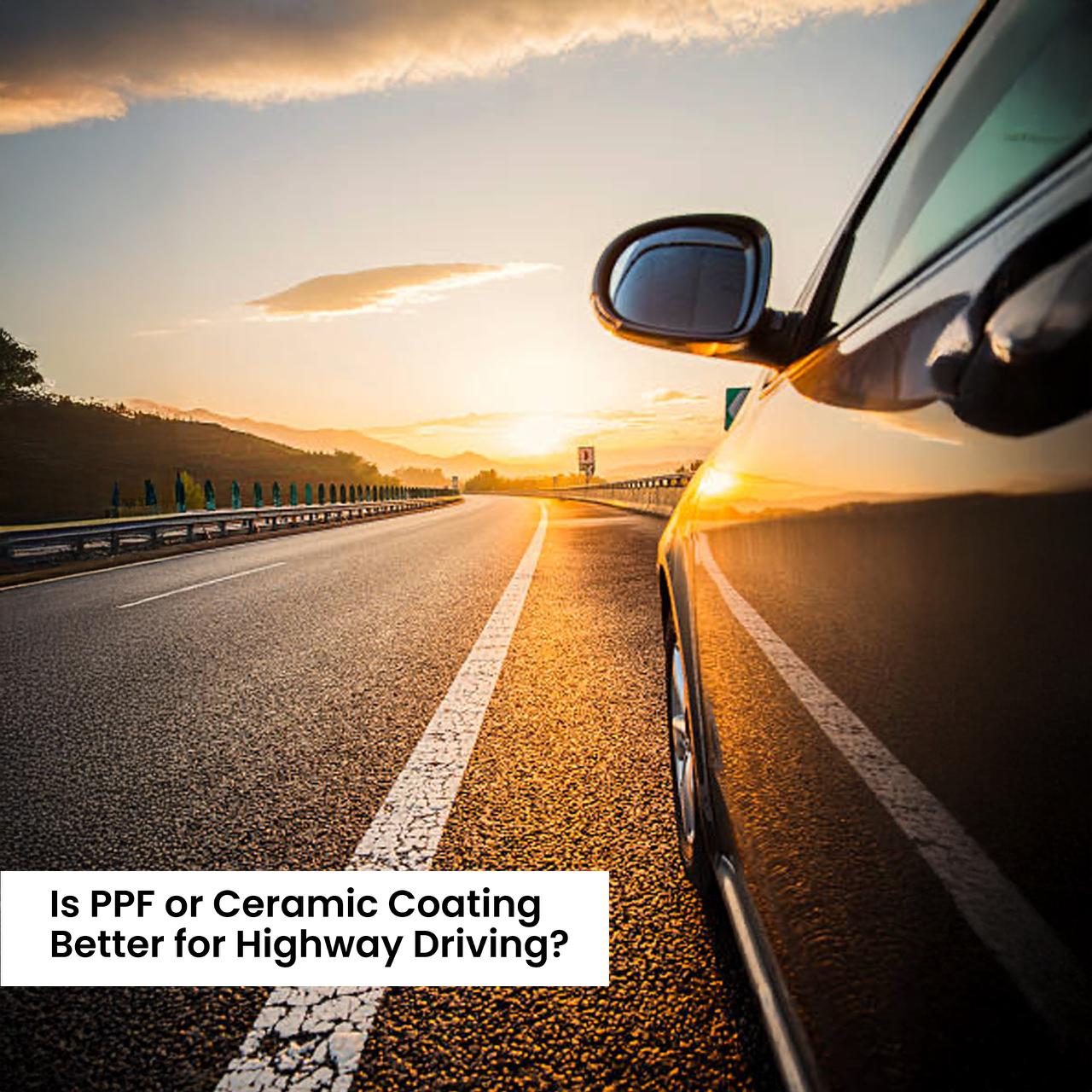
Highway driving is harsher on paint than city use. At higher speeds, even small stones can chip paint. Frequent overtaking exposes the front bumper, bonnet, mirrors, and fenders to debris thrown up by other vehicles.
Insects, tar, and road grime also accumulate faster on highways. Over time, these factors can dull paint, cause permanent marks, and reduce resale value.
Paint protection is less about appearance here and more about impact resistance.
How Ceramic Coating Performs on Highways
Ceramic coating is a liquid polymer that bonds chemically with the paint surface. It improves gloss, resists UV damage, and reduces chemical staining from bird droppings or bugs.
On highways, ceramic coating makes cleaning easier. Bugs and grime do not stick as aggressively, and regular washing becomes simpler.
However, ceramic coating does not absorb impact. It cannot prevent stone chips, scratches from debris, or abrasion caused by high-speed contact. Once the paint is chipped, the coating offers no further protection in that area.
For highway use, ceramic coating functions as surface protection, not damage prevention.
How PPF Performs on Highways
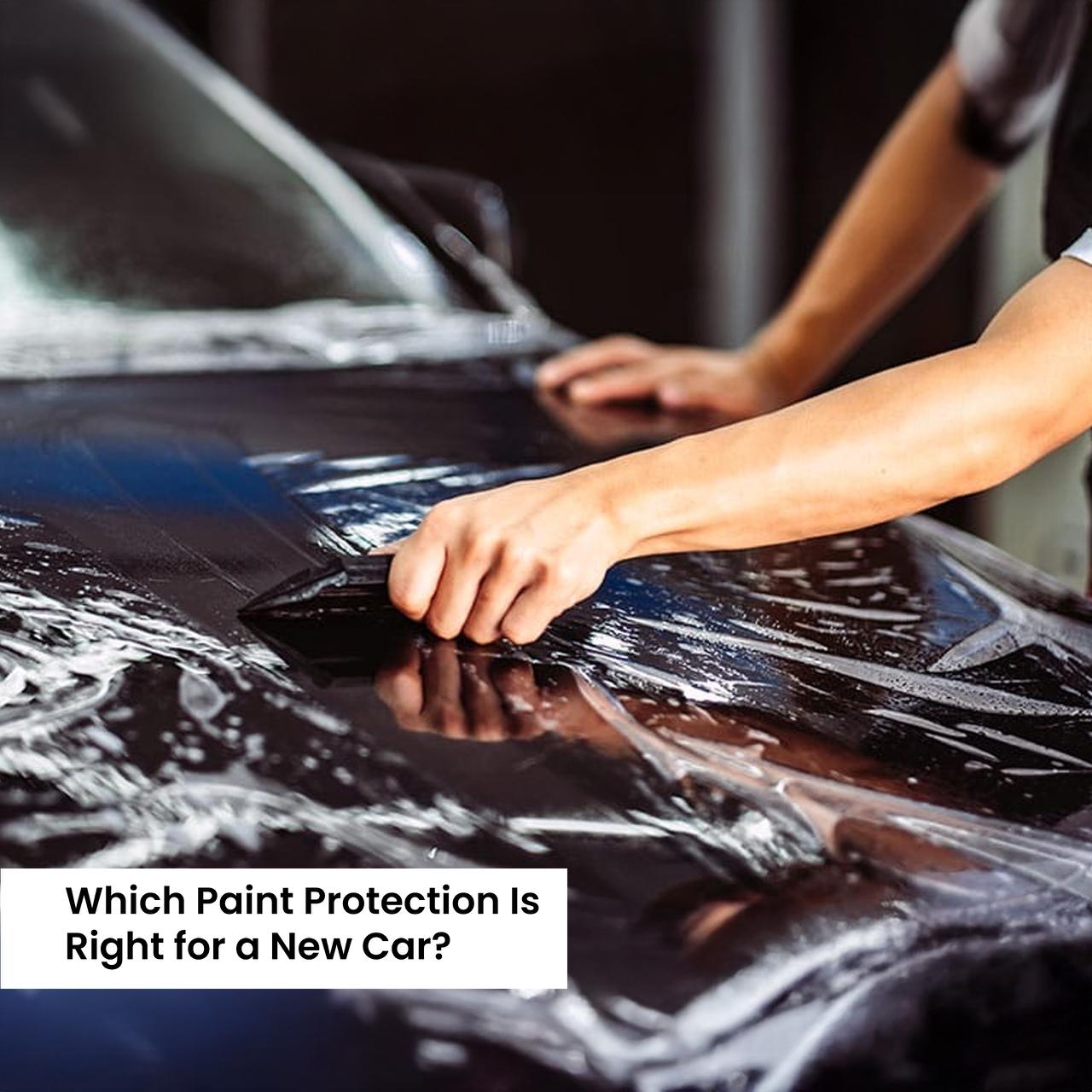
PPF is a thick, transparent polyurethane film applied over painted panels. It acts as a physical barrier between the paint and external impact.
On highways, PPF absorbs the force of stones and debris before they reach the paint. This significantly reduces paint chipping and surface damage. Many modern PPFs also feature self-healing properties, allowing minor swirl marks to disappear with heat exposure.
High-impact areas like the front bumper, bonnet, ORVMs, headlights, and door edges benefit the most from PPF. This makes it especially relevant for frequent highway drivers.
Professionally installed Paint Protection Film in Bangalore by Carsbuddy is commonly recommended for cars that see regular highway usage due to mixed road conditions and traffic density.
PPF vs Ceramic Coating: Highway-Specific Comparison
Impact Protection
PPF offers strong resistance to stone chips and debris.
Ceramic coating offers none.
Ease of Cleaning
Ceramic coating excels at reducing dirt adhesion.
PPF also allows easy cleaning but focuses on protection first.
Durability Under Speed
PPF maintains protection under high-speed impact.
Ceramic coating remains intact but cannot stop damage.
Cost Factor
PPF is more expensive due to material and installation.
Ceramic coating is more affordable but limited in protection scope.
Is a Combination Useful for Highway Drivers?
Many highway drivers choose a combined approach. PPF is applied to high-impact zones, while ceramic coating is applied over the remaining panels and sometimes over the film itself.
This approach balances protection and maintenance, especially for owners who drive long distances regularly.
Long-Term Ownership Considerations
For owners who plan to keep their car for several years and frequently drive on highways, preventing paint damage early reduces long-term repair and repainting costs.
PPF helps maintain original paint condition, which is a key factor during resale or trade in. Ceramic coating supports easier maintenance but does not preserve paint against physical damage.
Final Answer
For highway driving, PPF is the better choice. It protects against real-world damage caused by speed, debris, and impact. Ceramic coating supports appearance and cleaning but does not address the primary risks of highway use.
The right choice depends on how and where the car is driven.
On highways, protection against impact matters most, and that is where PPF performs its role effectively.
FAQ
1. I only drive on the highway occasionally. Do I need a full wrap?
No. Carsbuddy usually recommends partial PPF on high-impact areas like the bumper and bonnet for occasional highway driving.
2. Does PPF really “heal” itself after being hit by road debris?
PPF can self-heal light swirl marks and surface scratches. Carsbuddy clarifies that deep impact damage will still show.
3. Can ceramic coating stop a rock chip at highway speeds?
No. Ceramic coating cannot prevent rock chips. Carsbuddy recommends PPF for physical impact protection.
4. Will the edges of my PPF peel off from high-speed wind on the highway?
No, if installed correctly. Carsbuddy uses proper edge wrapping and curing to prevent lifting at highway speeds.
5. Can highway engine heat damage my paint protection?
No. Quality PPF and ceramic coatings are heat-resistant. Carsbuddy installs products rated for normal highway engine temperatures.